
The Hidden Battle for AI Control
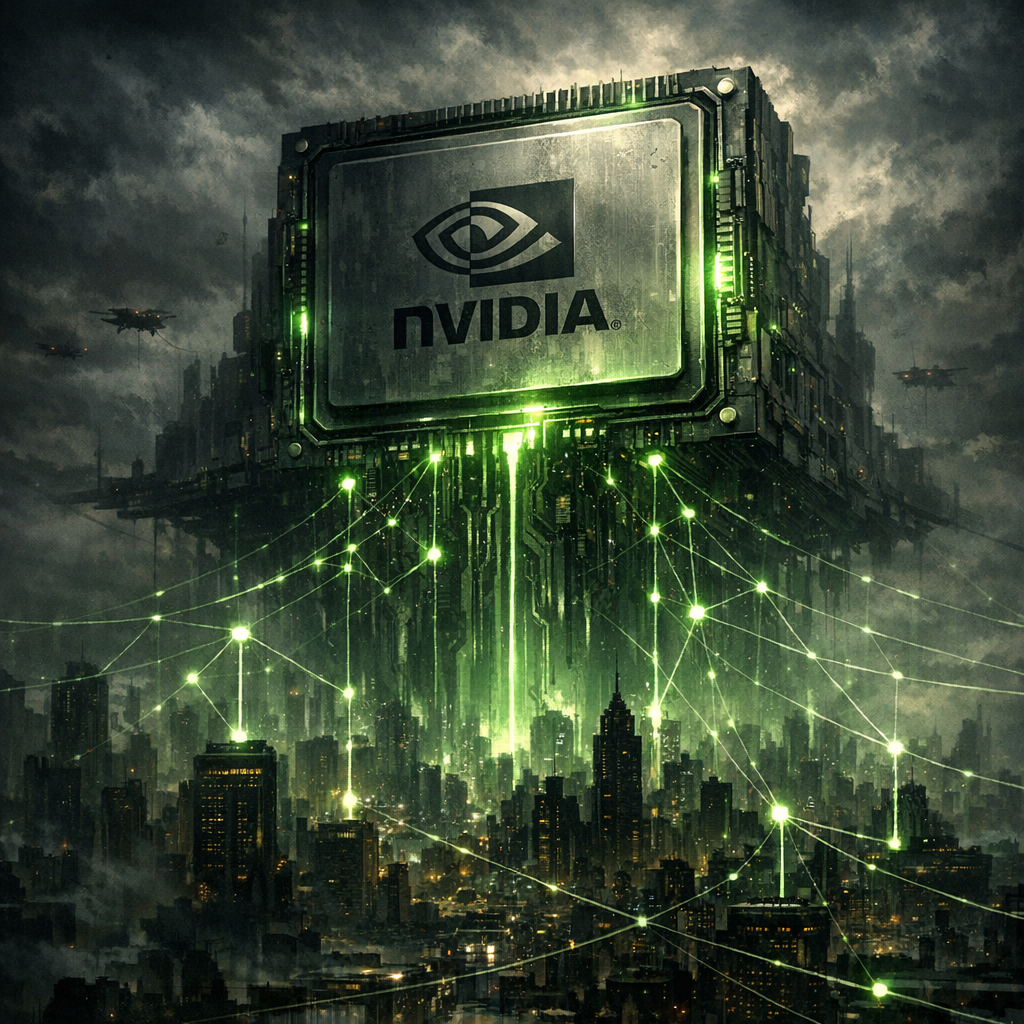
Artificial intelligence promised a new era of innovation, prosperity, and societal advancement. Yet, behind the scenes, the race is no longer about who can build the smartest algorithm but who can wield the most control. Nvidia’s dominance in AI hardware and OpenAI’s influence over popular models reveal a disturbing trend: power in AI is concentrating faster than anyone expected.
Why Does AI Power Concentration Matter?
When just a few players control the critical infrastructure of AI—both software and hardware—the entire innovation ecosystem suffers. Smaller startups struggle to compete, governments are left scrambling to regulate, and the public’s trust erodes as transparency vanishes. This concentration risks creating a technological monoculture where diverse ideas and approaches get crushed under the weight of monopolized resources.
Nvidia: The Unseen AI Monopoly
Few realize how deeply Nvidia’s GPU chips underpin AI advancements. Without affordable, accessible hardware alternatives, AI research and development funnel through Nvidia’s ecosystem, granting it unprecedented influence. This dominance raises uncomfortable questions: Is the future of AI innovation hostage to the supply chain decisions of a single company? And what does it mean for the global competition in AI?
OpenAI’s Dual Role: Innovator and Gatekeeper
OpenAI, once hailed as the benevolent democratizer of AI, now faces accusations of becoming another corporate giant wielding power behind a polished ethical veneer. Its proprietary models and selective openness restrict the flow of innovation and fuel fears that AI is being weaponized for control rather than upliftment. The tension between AI safety and profit motives here is more than a debate—it’s a battleground defining the industry’s future.
The Ethical and Political Consequences
Concentrated AI power doesn’t just stifle startups; it undermines democratic oversight and amplifies ethical risks. When companies write the AI rules, transparency and accountability suffer. This scenario exacerbates the already fraught AI alignment problem, where ensuring AI systems behave as intended becomes secondary to market dominance.
Is Open Source AI the Last Line of Defense?
In this landscape, open source AI emerges as a critical counterweight, promising transparency and collaborative progress. But even open source efforts face challenges—from corporate sabotage to funding constraints—raising the question: can open source truly keep AI innovation and ethics on track?
Challenging the Status Quo
We must ask ourselves uncomfortable questions: Are we comfortable with a handful of CEOs shaping the future of humanity? Can innovation survive when driven primarily by control and profit? Without urgent action, AI risks becoming a tool of centralized power rather than collective progress.
Conclusion: The Call for Democratic AI Governance
The concentration of AI power in companies like Nvidia and OpenAI is not just a technological issue—it’s a societal crisis. True innovation and ethical AI require broad, democratic governance, increased transparency, and robust competition. Otherwise, we risk trading the promise of AI for a dystopia where innovation stagnates, and democracy fades.

Related Articles
 OpenAI Is Not the Same Thing as ChatGPT — and That’s the Problem
 Microsoft’s Rapid Data Center Expansion Puts Sustainability Ambitions at Risk Amid AI Boom
 xAI Launches Grok 4.1 Fast API Amidst Controversy Over AI’s Excessive Praise of Elon Musk
 Why Sam Altman’s Vision and OpenAI’s Business Model Are Shaping the Future of AI Power


