The Invisible Monopoly: How AI Power Is Concentrating
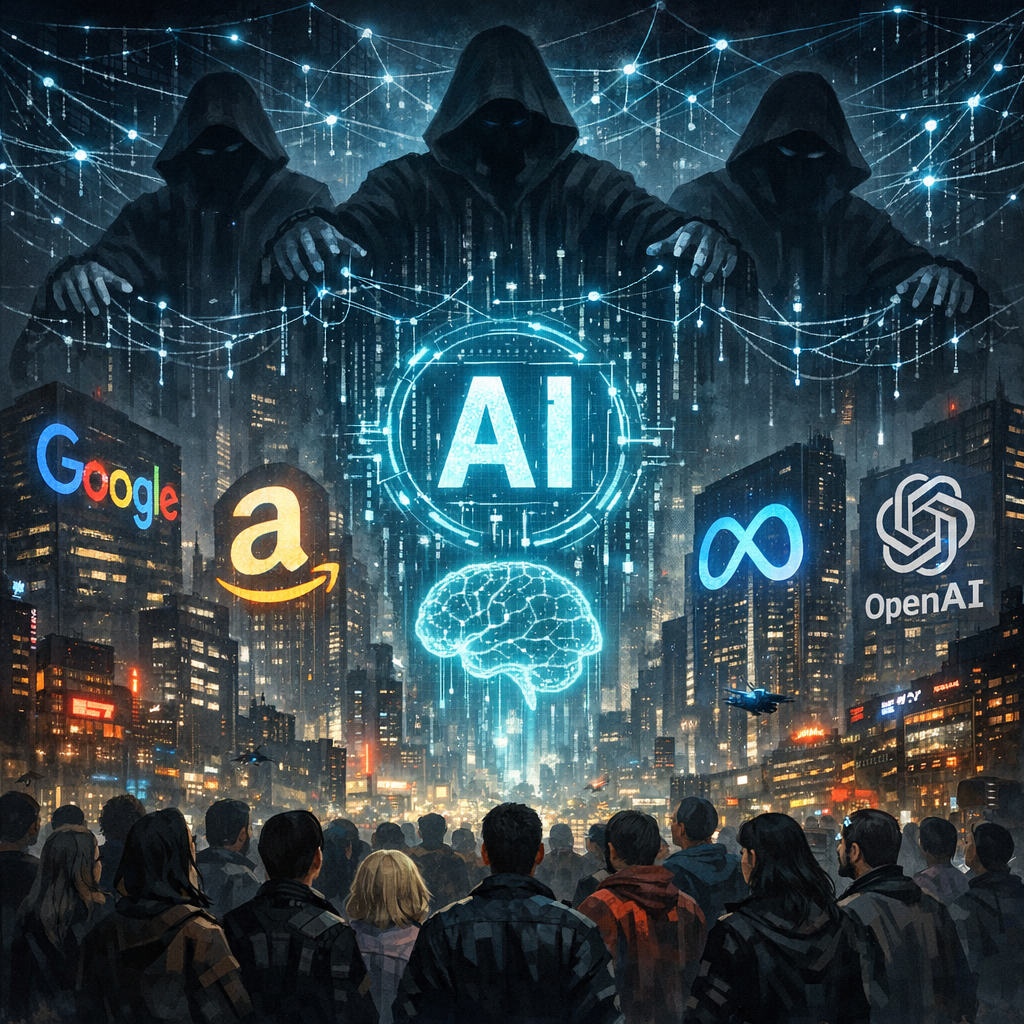
Artificial intelligence was once heralded as a great equalizer, a technology that could democratize access to knowledge and innovation. Yet, as the AI industry matures, reality paints a starkly different picture: a handful of companies dominate the AI ecosystem, controlling not only the technology but also the rules that govern it.
Why Is AI Power So Concentrated?
Massive investments in AI hardware, such as specialized chips, and proprietary datasets have created barriers to entry that only tech giants can scale. Entities like NVIDIA, with their control over AI chips, exemplify how hardware dominance translates into strategic dominance over AI development.
Similarly, leaders like Sam Altman and Elon Musk influence not just their companies but the entire AI policy discourse. This concentration challenges the myth that innovation flourishes best in open, competitive markets.
The Innovation Slowdown: Is Monopoly Stifling Creativity?
Contrary to popular belief, monopoly power often suppresses true innovation. When a few corporations control AI models and data, startups and open-source projects struggle to compete or even contribute meaningfully. Closed AI models and corporate secrecy reduce transparency and limit collaborative breakthroughs.
Democracy at Risk: When AI CEOs Replace Politicians
Power in AI is not just economic — it increasingly shapes social norms, public policy, and even geopolitical strategies. The growing influence of AI executives over regulation and governance raises uncomfortable questions: Are we witnessing the rise of a new technocratic elite? What checks and balances exist when AI governance is written by the same companies that profit from it?
Ethical Dilemmas: AI Safety or Corporate Branding?
Many AI companies now brand themselves as champions of safety and ethics, but critics argue this is often a marketing strategy rather than a genuine commitment. The tension between maximizing profits and ensuring AI alignment with human values remains unresolved, exacerbated by a lack of transparency and accountability.
Is Open Source AI Our Last Hope?
As closed models dominate, the open source AI movement emerges as the last line of defense against monopolistic control. Yet, even this community faces tremendous challenges — from funding shortages to regulatory pressures — threatening its ability to serve as a counterbalance.
Conclusion: Time to Rethink AI Power Structures
The concentration of AI power is not an inevitable outcome but a product of choices made by corporations, regulators, and society. If we fail to address this imbalance, we risk stifling innovation, undermining democracy, and handing over control of our future to an unaccountable few. The question is: Are we ready to challenge the status quo or will we accept a future shaped by AI monopolies?

 Why AI Power Concentration Threatens Innovation and Democracy (2026)
 Firefox Introduces Option to Disable All Generative AI Features in Upcoming Update
 Is the Rise of AI Agents Threatening Human Creativity and Jobs?