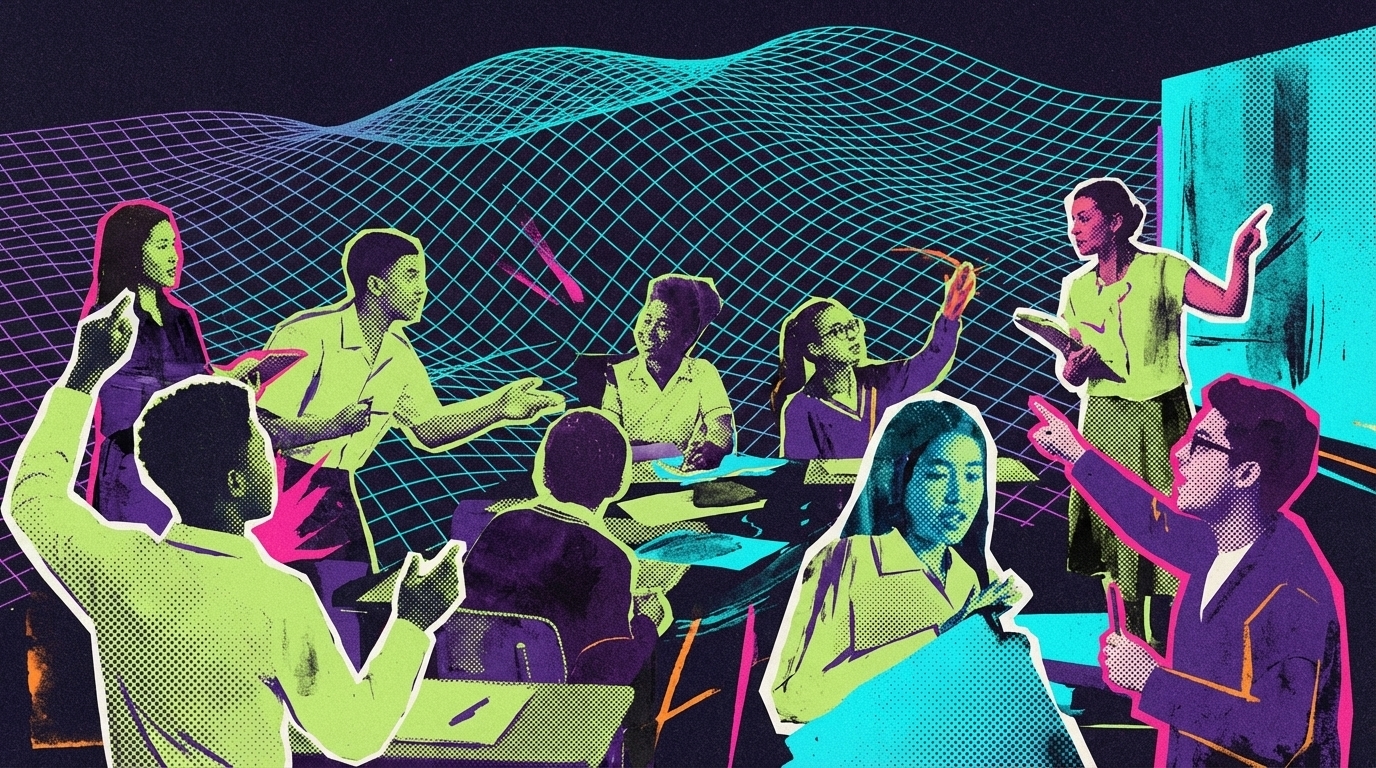
Andrej Karpathy Challenges Traditional Homework Policies Amid AI Advances
Andrej Karpathy, a prominent figure in artificial intelligence and former Tesla executive, has publicly stated that the battle against AI-generated homework in schools is unwinnable. He advocates for a paradigm shift in educational approaches towards AI-assisted learning, urging schools to stop policing the use of AI tools for completing assignments.
The Growing Impact of AI on Education
With the rapid development of large language models and AI chatbots, students increasingly have access to powerful AI tools capable of generating essays, solving complex problems, and assisting in creative tasks. This technological shift is challenging traditional homework practices and the concept of academic integrity as schools grapple with detecting AI involvement.
Karpathy emphasizes that efforts to ban or heavily monitor AI-generated work overlook the potential benefits of these technologies as educational aids. Instead of fighting a losing battle, he suggests integrating AI into the learning process to enhance student understanding and creativity.
Why Policing AI Homework Is Ineffective
- Detection Difficulties: AI-generated content can be sophisticated and hard to distinguish from human work, making enforcement inconsistent and resource-intensive.
- Educational Value: Banning AI tools may hinder students from developing digital literacy and adapting to future workplaces where AI collaboration will be common.
- Innovation Opportunity: Embracing AI can drive new pedagogical models that focus on critical thinking, problem-solving, and AI literacy rather than rote memorization.
Calls for Policy Reform and AI Integration
Karpathy’s stance aligns with a broader debate about the role of AI in education and the need for policy reform. Rather than punitive measures, he advocates for educators to redesign curricula that leverage AI as a tool for learning, fostering skills that machines cannot replicate easily.
Such approaches could include assignments that encourage reflection on AI-produced content, collaborative projects using AI, and assessments emphasizing originality and critical analysis beyond AI’s capabilities.
Looking Ahead
The conversation initiated by Karpathy highlights a critical juncture for education systems worldwide as AI technologies become ubiquitous. Adapting to this new reality requires balancing academic integrity with innovation, preparing students for an AI-augmented future without stifling technological progress.
As AI continues to evolve and permeate various sectors, educational institutions face the challenge of reshaping their methods to stay relevant and effective in cultivating the next generation of learners.
Fonte: ver artigo original

Related Articles
 OpenAI Develops Sora Android App in 28 Days Using Codex AI
 Snapchat Introduces ‘AI Clips’ Lens to Transform Photos into Dynamic Five-Second Videos
 Anthropic Keeps Advanced AI Model Private After Detecting Thousands of Cybersecurity Vulnerabilities
 Google Tests Remy AI Agent for Gemini, Emphasizing User Control and Integration