Trust Is the Missing Link in OpenAI’s Dominance
Sam Altman OpenAI trust challenge analysis is at the center of this update. Sam Altman’s ascent as one of the most influential figures in artificial intelligence is undeniable. His leadership of OpenAI has transformed AI from a niche research endeavor into a global phenomenon, with ChatGPT pioneering a new wave of consumer and enterprise AI adoption. However, beyond the headlines and product launches lies a much less discussed but more consequential challenge: trust.
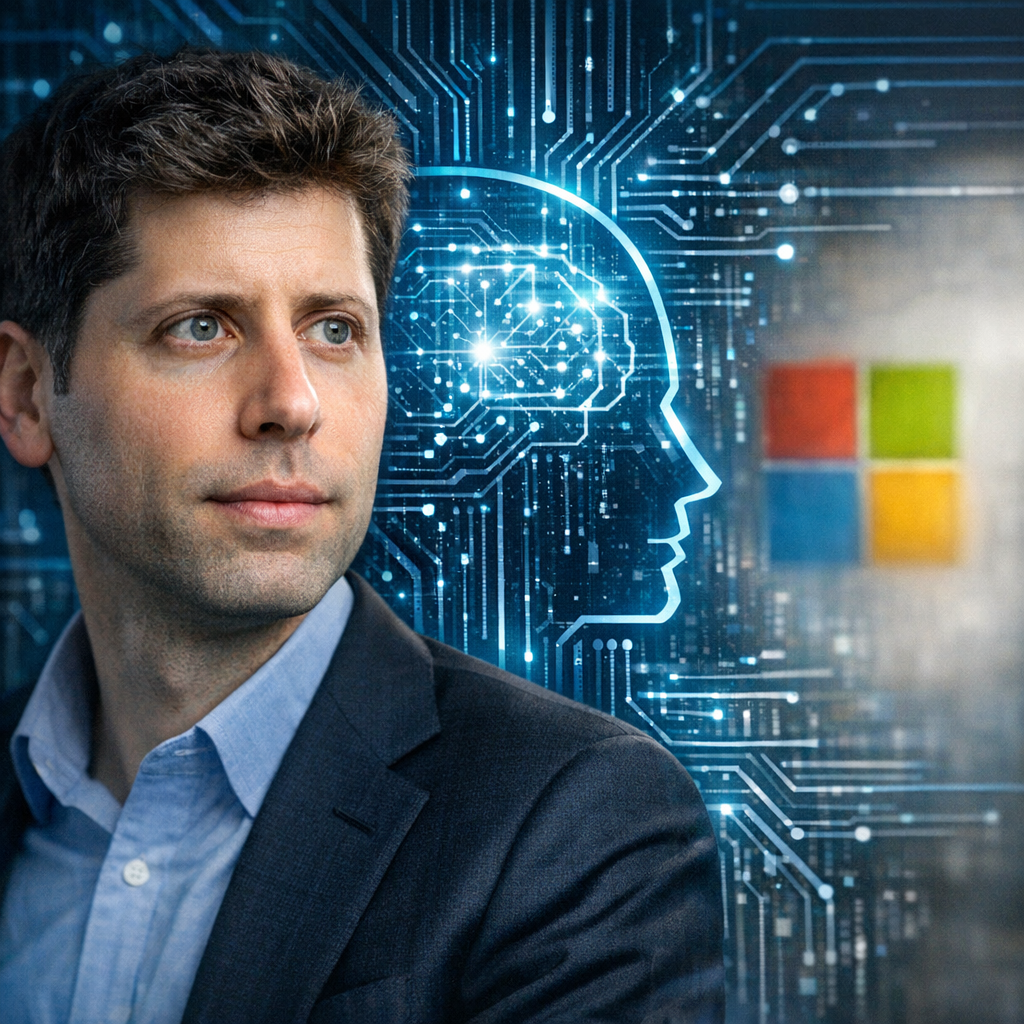
OpenAI’s original mission promised broadly beneficial AI accessible to all. Yet as the company has grown, especially through its deepening ties with Microsoft and its commercial ambitions, concerns around transparency, governance, and independence have grown louder. This tension is not trivial; it strikes at the core of who gets to shape the future trajectory of AI technologies that will impact billions.
Why Trust Determines AI Leadership
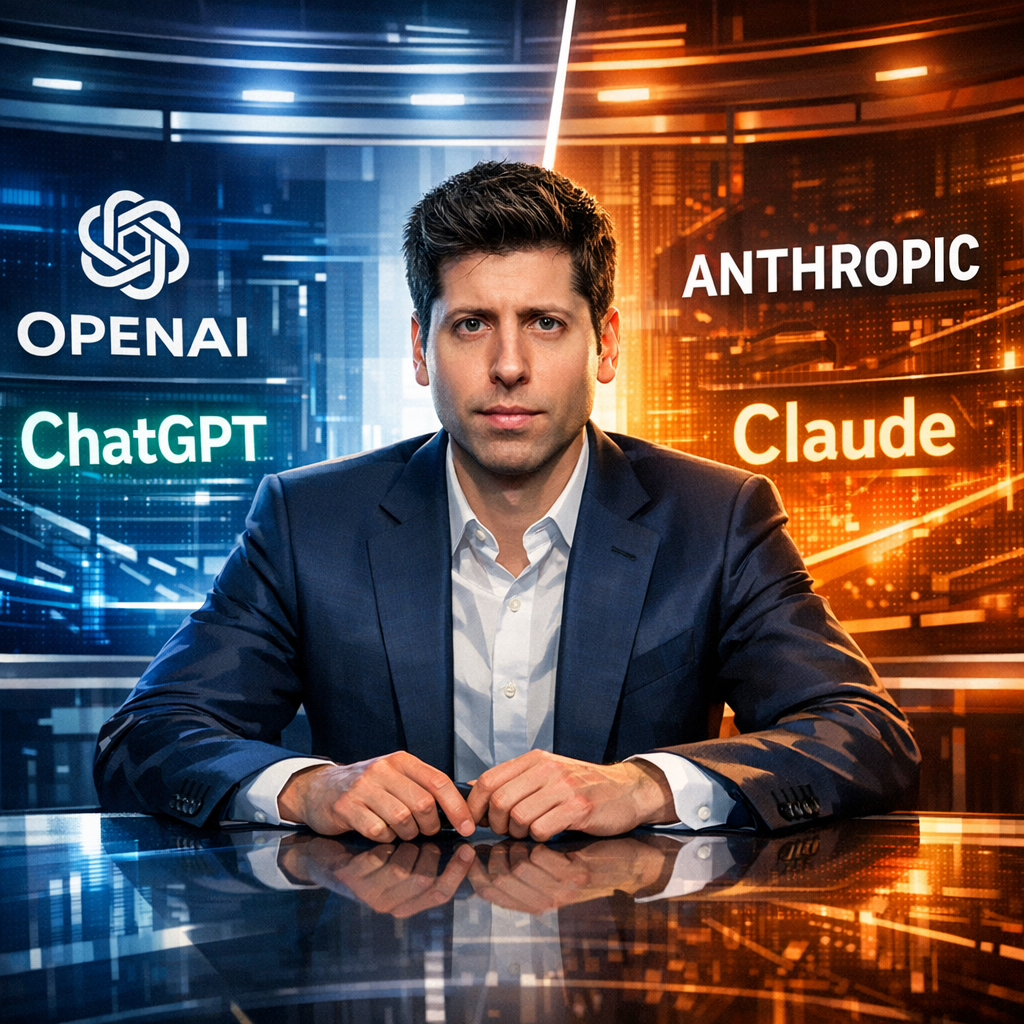
The AI race is not just about who builds the fastest models or the largest datasets. It is increasingly about who governs responsibly, builds confidence in safety, and aligns diverse stakeholders. OpenAI’s trust dilemma illustrates this shift perfectly. Competitors like Anthropic explicitly leverage safety and trust as strategic pillars, betting that cautious stewardship will win both regulatory favor and customer loyalty. Google’s DeepMind invests in long-term research credibility, while Meta champions open-source models to democratize AI power.
Counterpoint: Commercial Realities Cannot Be Ignored
Detractors argue that OpenAI’s commercial strategy, including its partnership with Microsoft, is pragmatic and essential to compete in a compute-intensive AI landscape. They claim that delivering useful AI products is the best way to build trust and that OpenAI’s transparency about AI risks sets a new standard. While funding and talent require business models, the risk is that without sufficient trust, regulatory backlash or public skepticism could stall AI adoption, negating technological advantages.
The Broader Implications for the AI Ecosystem
Altman’s challenge reflects a broader industry crossroads where the balance between innovation speed and responsible governance will shape who leads in AI. The companies that master this balance—demonstrating accountability without sacrificing progress—will define AI’s role in society. This balance also impacts investments in chips, cloud infrastructure, and AI talent, as trust influences policy and market dynamics.
Conclusion: Navigating Trust Will Define OpenAI’s Legacy
Sam Altman and OpenAI stand at a crucial juncture. Their next strategic decisions on openness, governance, and partnership transparency will not only influence their own future but will also set precedents for the entire AI industry. In the race toward AGI and beyond, trust may prove to be the most scarce and valuable resource of all.
Related coverage: AI Chronicle analysis and updates.
Sources consulted
Why it matters
This update influences the AI race across model providers, infrastructure leaders, and enterprise adoption decisions.

 Why Trust Is the Real Battleground for OpenAI and the Future of Artificial Intelligence
 Why OpenAI’s Trust Crisis Could Define the Future of Artificial Intelligence
 How NVIDIA’s AI Monopoly Is Reshaping Power and Innovation in Artificial Intelligence