Sam Altman’s Dual Role: Champion of AI Progress and Architect of Its Power Concentration
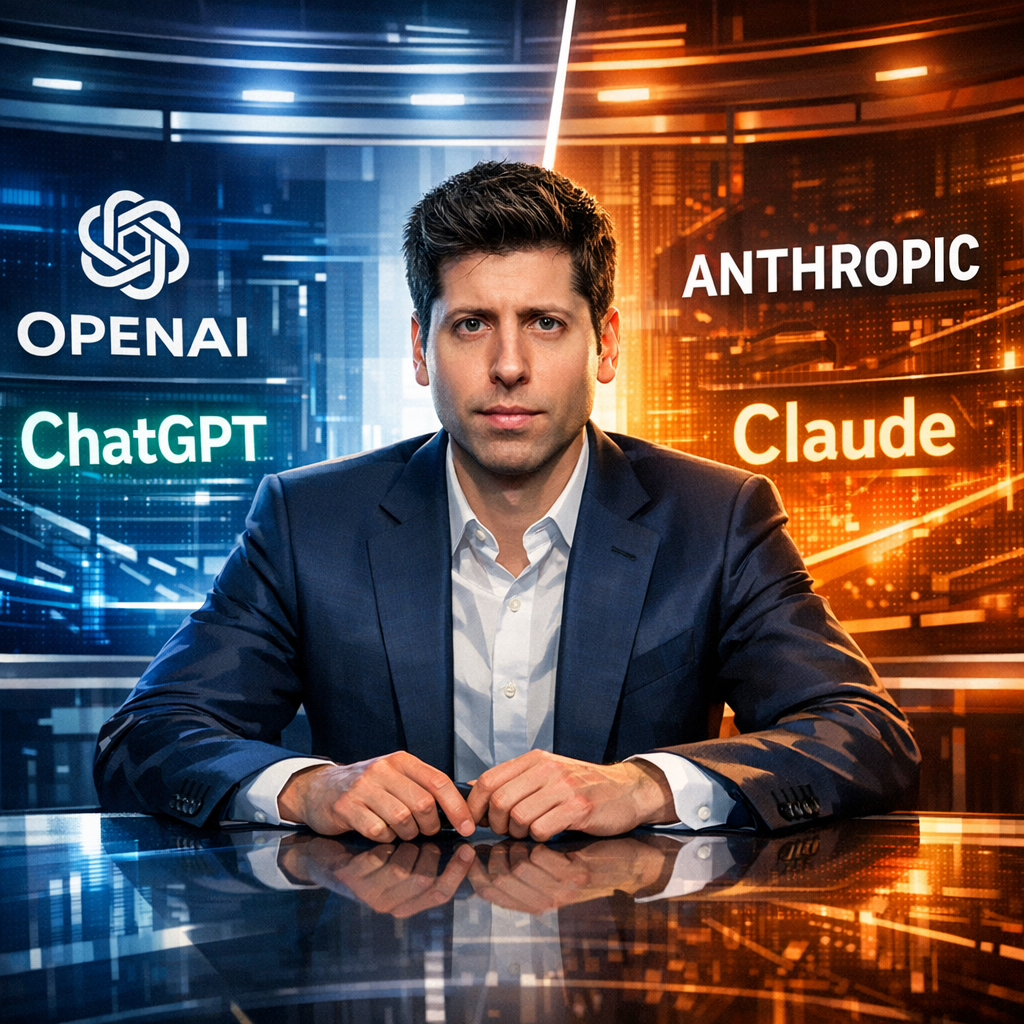
Sam Altman OpenAI power concentration is at the center of this update. Sam Altman’s stewardship at OpenAI epitomizes the paradox defining today’s AI landscape. On one hand, he has driven some of the most groundbreaking AI innovations, exemplified by ChatGPT’s global impact. On the other, Altman’s leadership underscores a growing concentration of power in AI, raising fundamental questions about trust, transparency, and governance.
Why This Tension Matters
As artificial intelligence moves from research labs to products that touch billions, control over this technology translates directly into economic and geopolitical power. OpenAI’s evolution—from a nonprofit research entity to a commercial behemoth backed by Microsoft’s infrastructure—signals a shift in how AI is developed, deployed, and monetized. This model, while fueling rapid innovation, also concentrates influence in the hands of a few actors, potentially sidelining broader societal interests.
Contextualizing OpenAI’s Trajectory
Under Altman, OpenAI has transitioned from its mission-driven origins toward a hybrid approach balancing profit and public good. The Microsoft partnership enables unmatched access to cloud compute and integration with popular software platforms, while Nvidia’s GPUs power the massive AI models at OpenAI’s core. This infrastructure interdependence highlights how AI innovation is inseparable from control over compute resources and data.
A Counterpoint: Necessity of Scale
Some argue that without such concentration, the high costs and technical complexity of AI development would stifle progress. OpenAI’s public releases arguably democratize AI access far more than fragmented efforts could. Still, this centralized control risks entrenching monopolies and undermining accountability, an issue competitors like Anthropic emphasize by focusing on safety and transparency.
Implications for the AI Race
The interplay between Altman’s OpenAI, Microsoft’s infrastructure dominance, Nvidia’s hardware supremacy, and emerging rivals like Anthropic and Google DeepMind shapes the evolving AI power landscape. The race is no longer just about model accuracy but about who controls the ecosystem—innovation, data, compute, and trust. Altman’s role symbolizes this convergence, making OpenAI a focal point for both hopes and concerns about AI’s trajectory.
Conclusion
Sam Altman’s leadership at OpenAI encapsulates the dual challenge facing the AI industry: advancing revolutionary technology while managing the risks of concentrated power. How well this balance is maintained will define the future of AI—from who benefits, to how safely the technology evolves, to whether public trust can be sustained. The stakes extend beyond any single company, shaping the course of AI’s role in society and the global economy.
Related coverage: AI Chronicle analysis and updates.
Sources consulted
Why it matters
This update influences the AI race across model providers, infrastructure leaders, and enterprise adoption decisions.

Related Articles
 Sam Altman and the Paradox of Power: Why OpenAI’s Trust Deficit Threatens Its AI Leadership
 Why The Era of Traditional Programmers Is Coming to an End: AI and the Death of Coding as We Know It
 How AI CEOs Are Quietly Rewriting the Rules of Global Power and Society
 Why Jensen Huang and NVIDIA Dominate the AI Industry: The Hidden Monopoly Shaping Our Future