Sam Altman and the New Face of AI Power
Sam Altman OpenAI power is at the center of this update. Sam Altman’s leadership at OpenAI marks a pivotal moment in the artificial intelligence landscape. OpenAI’s rapid evolution from a research-focused nonprofit to a hybrid model commercial powerhouse challenges traditional conceptions of AI development and corporate strategy.
OpenAI’s transformation is about more than product innovation; it’s a story of how control over AI platforms, strategic partnerships, and infrastructure has become a new axis of power in the AI ecosystem. Microsoft’s substantial investment and integration with OpenAI underscore this shift, blending deep technical collaboration with commercial imperatives that accelerate AI adoption across enterprises and consumers alike.
Why This Shift Matters
The broader AI race is no longer just about the smartest models or the most groundbreaking research. It’s about who can deploy, scale, and monetize effectively while gaining user and regulator trust. OpenAI’s model exemplifies this, as its ChatGPT product quickly became a global AI reference point, but also a lightning rod for discussions on trust, transparency, and governance.
Contextualizing OpenAI’s Strategy
OpenAI’s hybrid capped-profit structure allows it to attract capital and talent necessary to compete against tech giants like Google DeepMind and newcomer challengers like Anthropic. However, this commercial approach invites criticism over mission drift and the risk of consolidating too much AI influence in one entity.
Meanwhile, Anthropic’s safety-centric approach and Google’s research-driven long game contrast with OpenAI’s aggressive platform and partnership strategy. This diversity of approaches highlights the intense strategic competition shaping who will lead the AI era.
Counterpoint: Risks of Concentrated Power
Opponents warn that OpenAI’s business model and Microsoft alliance may stifle competition and diminish transparency, essential for building public trust. The rapid rollout of AI tools without full consensus on safety safeguards could provoke regulatory clampdowns or public backlash, potentially slowing AI progress.
Implications for the AI Industry
OpenAI’s journey reflects a larger trend where AI innovation is inseparable from strategic business decisions and infrastructure control. As this concentration grows, it challenges regulators and competitors to rethink governance frameworks, ensuring AI benefits aren’t locked behind corporate walls but distributed responsibly.
Conclusion
Sam Altman’s OpenAI captures the complexities of modern AI leadership—success depends not only on innovation but on managing power, trust, and strategic partnerships. The industry must navigate these tensions carefully to build an AI future that is both transformative and accountable.
Related coverage: AI Chronicle analysis and updates.
Sources consulted
Why it matters
This update influences the AI race across model providers, infrastructure leaders, and enterprise adoption decisions.

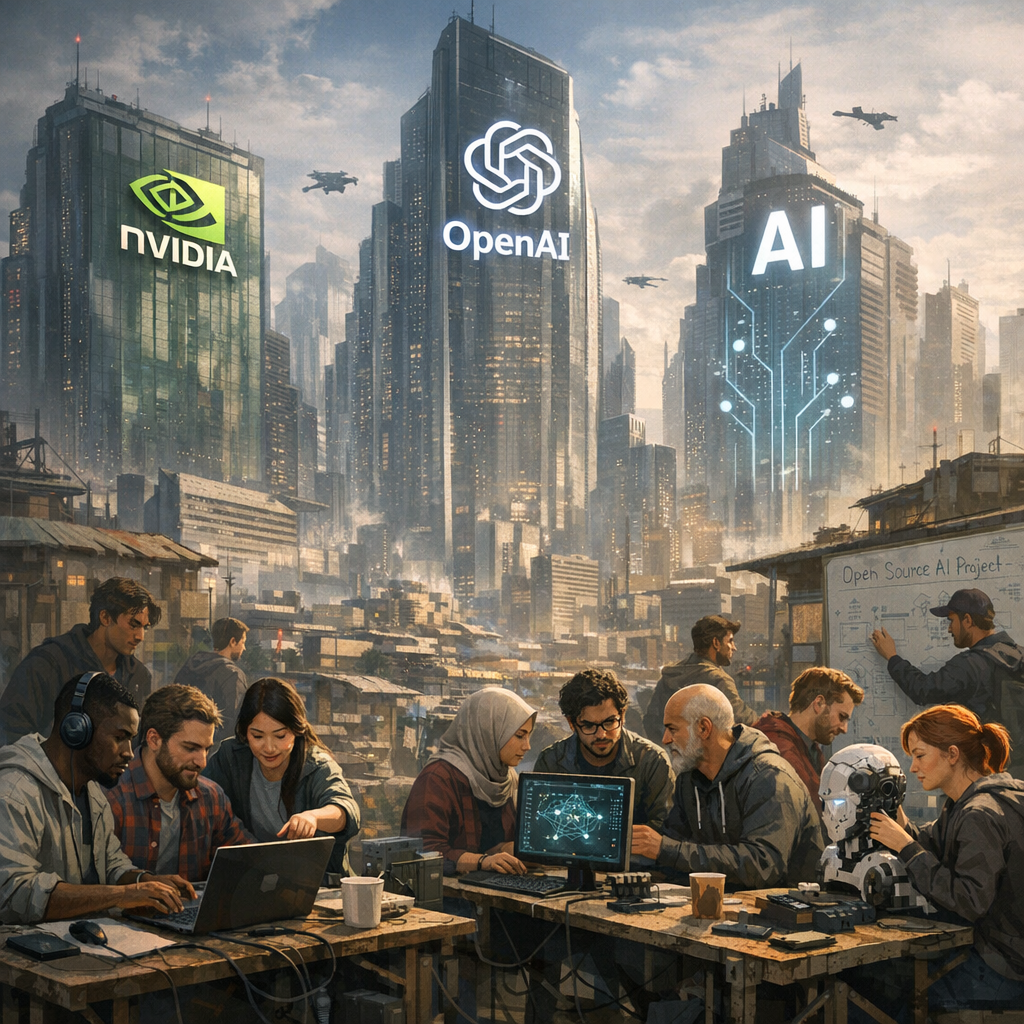 How AI Power Concentration Threatens Innovation and Democracy in the Age of NVIDIA and OpenAI
 Sam Altman’s Real Challenge Is Not Innovation but Trust
 Why OpenAI’s Trust Problem Is the Biggest Challenge for AI’s Future
 Sam Altman’s OpenAI: Redefining the Power Dynamics of the AI Race