The Rise of AI CEOs: More Than Just Tech Leaders
When we think about the future of artificial intelligence, we imagine groundbreaking algorithms or revolutionary products. But the true game-changers today are not the machines—they are the CEOs orchestrating the AI revolution. Figures like Sam Altman, Jensen Huang, and Elon Musk are quietly rewriting the rules of power and society, far beyond the typical scope of tech leadership.
Why Concentrated AI Power Should Make Us Uneasy
Power concentration in AI isn’t just about market dominance or innovation speed. It’s a geopolitical and societal shift where a handful of executives and corporations dictate the trajectory of technologies that could control everything from employment to information flow. Ask yourself: when decisions affecting billions are made by CEOs of private companies, what happens to public accountability?
AI Monopoly and Innovation Stagnation
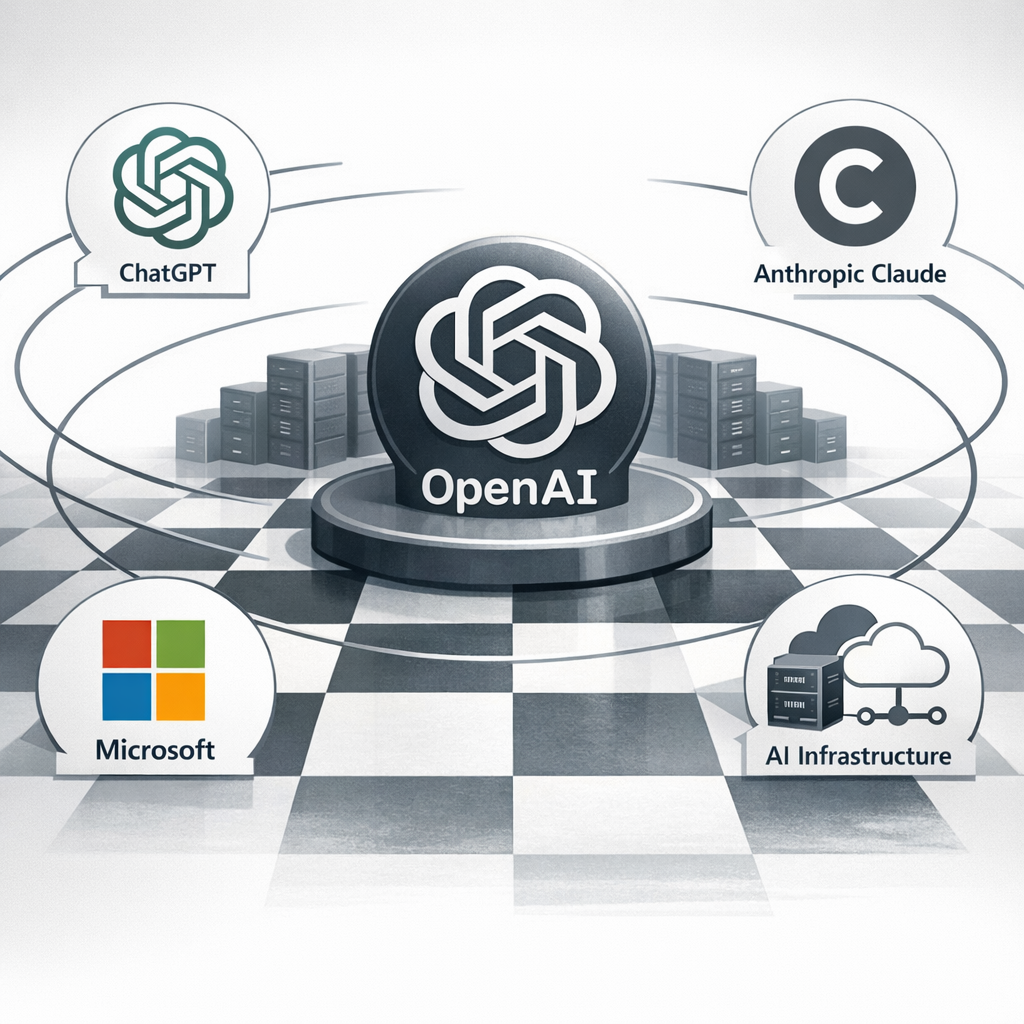
The dominance of companies like NVIDIA in AI hardware, paired with OpenAI’s influence in software, risks creating monopolies that stifle competition. Closed AI models limit transparency and slow innovation by putting critical AI advances behind corporate walls. This isn’t just business strategy—it’s a chokehold on technological progress.
Ethics as a Branding Facade
Many AI firms market safety and ethics as their core values, but the reality often feels more like PR than practice. The tension between profit motives and true AI safety is palpable. Can we trust companies whose financial survival depends on rapid deployment of powerful AI tools to prioritize ethical considerations?
Governments Are Already Losing the AI Race
The current AI regulatory landscape is shaped by the very companies it’s meant to control. This revolving door between AI CEOs and policymakers creates an inherent conflict of interest. The result? Policies that favor corporate power consolidation rather than public interest, widening the trust crisis around AI governance.
Are We Ready to Let AI CEOs Shape Our Society?
AI CEOs are not just tech entrepreneurs; they are de facto policy makers shaping everything from labor markets to international relations. This concentration of influence raises uncomfortable questions: Should unelected corporate leaders hold such sway over society’s future? What mechanisms can rein in this power before it rewrites democracy itself?
What Can We Do?
- Demand greater transparency from AI companies about their models and decision-making processes.
- Push for robust, independent regulation that isn’t shaped primarily by corporate interests.
- Support open source AI initiatives as a counterbalance to monopolistic control.
- Encourage public debate about the societal impacts of AI leadership and power concentration.
Conclusion: The New AI Power Players Are Redefining Society
The AI revolution is not just a technological moment—it’s a political and ethical one. As CEOs of AI giants quietly amass unprecedented power, society faces a crucial choice: allow this new corporate oligarchy to set our future or reclaim democratic control over the technology shaping our lives. Ignoring the power dynamics behind AI risks handing over control of society to a few unaccountable tech titans.

 Why Sam Altman’s OpenAI Faces a Trust Crisis Amid AI’s Power Shift
 YouTube TV Enhances Multiview with Customizable Channel Selection
 Google Confirms Testing Ads Within AI Mode, Raising User Concerns
 OpenAI Launches Healthcare Suite to Streamline Clinical and Administrative Tasks with GPT-5.2