The AI Automation Revolution: What Does It Mean for Human Jobs?
AI is no longer a futuristic concept—it’s reshaping the workplace at a pace that most fail to grasp. From advanced machine learning models to autonomous agents, the technology that once promised productivity gains is now threatening to render entire professions obsolete. But why is the broader debate so muted, and are we really prepared for the consequences?
Why Automation Is Accelerating Beyond Predictions
Many experts underestimated the speed at which AI generative models and automation digital tools would enter mainstream applications. Technologies like natural language processing, text-to-speech, and deep learning are now capable of performing complex tasks previously reserved for humans. The integration of agents de IA in workflows is enabling companies to delegate decision-making and repetitive jobs to algorithms, shrinking the role of human labor.
The Disappearing Middle Class: A Silent Casualty
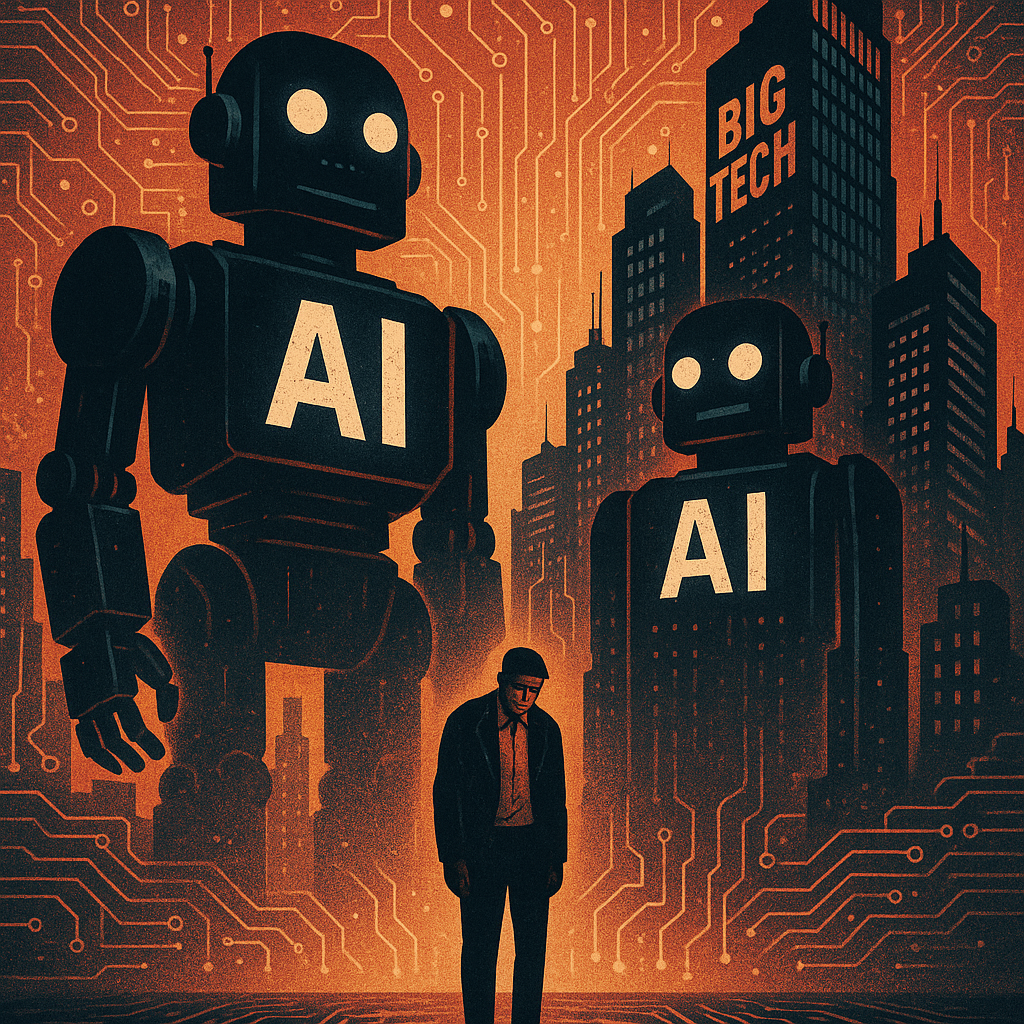
This rapid automation threatens to erode the middle class as routine and even some creative jobs disappear. From clerical roles to certain programming functions, no sector is fully safe. The question remains: why does society seem to accept this shift without a clear strategy to mitigate job loss? Is reliance on a techno-utopia blinding us to the socio-economic fallout?
Human Creativity vs Machine Efficiency: The Ethical Conundrum
Is the rise of AI at work a triumph of innovation or a threat to human dignity? The ethical debate around IA ética and AI’s impact on profissões criativas has intensified. Many argue that creativity cannot be fully replicated by machines, yet modelos de linguagem are already producing art, writing, and music that challenge this notion. Should we be wary of a future where human uniqueness is diminished by algorithms optimized solely for efficiency and profit?
The Role of Big Tech and CEOs: Power, Not Progress?
Tech giants like OpenAI, Google DeepMind, and NVIDIA are at the forefront of this revolution. But are their leaders—CEOs with enormous influence—driven more by market dominance than genuine innovation? The cultura de Silicon Valley and its obsession with rapid scaling often overlooks the societal damage caused by unchecked automation. Could this be a new form of capitalismo algorítmico where control over data and AI becomes the ultimate power?
Regulation and Reality: Is Governance Just Political Theater?
Despite growing concerns, regulamentação da IA lags behind technological advances. Governments struggle to understand the complexity of AI, leading to superficial policies that fail to protect workers or address privacy and security risks. Are legislators prepared to regulate a technology they barely comprehend, or is this all just a performance to appease public fears?
What Should We Do Now?
- Question the narrative: Don’t accept the assumption that automation is an unstoppable, unmanageable force. Public debate must demand accountability from corporations and governments.
- Invest in reskilling: Prioritize education systems and lifelong learning focused on skills AI cannot easily replace.
- Push for transparency: Advocate for openness on how AI models impact jobs and decision-making processes.
- Consider social safety nets: Explore innovative policies like universal basic income to cushion inevitable transitions.
The AI automation wave is here, and it’s reshaping society in profound ways. Ignoring its implications or blindly celebrating its potential only deepens our collective risk. It’s time to face the hard questions about what work means in an AI-driven world.

Related Articles
 Microsoft Unveils Majorana 2 Quantum Chip Highlighting Agentic AI’s Role in Advanced R&D
 Will Big AI Acquisitions Stifle Innovation and Kill Smaller Startups?
 Why the Automation Revolution Will Wreck the Middle Class Unless We Wake Up Now
 Why OpenAI’s Trust Crisis Is the Real Challenge in the AI Industry