
OpenAI’s Codex Enhances Long-Running Workflows by Preserving Context Beyond Single Prompts
OpenAI’s Codex is being used to sustain project continuity by preserving context, enabling complex workflows to extend beyond individual prompts.

Your daily source for AI news, tools reviews, and practical guides to artificial intelligence
OpenAI’s Codex is being used to sustain project continuity by preserving context, enabling complex workflows to extend beyond individual prompts.

OpenAI’s meteoric rise under Sam Altman is marred by a growing trust gap that may undermine its long-term influence and the broader AI race.
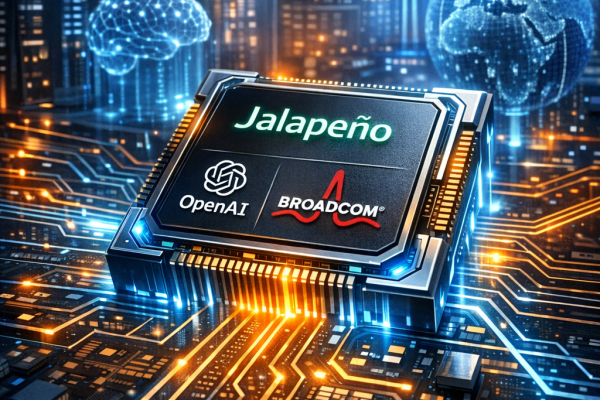
OpenAI and Broadcom unveil Jalapeño, a custom AI inference chip designed specifically for large language models, marking a strategic move in the AI hardware race.

Sam Altman’s leadership transformed OpenAI into a dominant force, demonstrating how AI power now hinges on strategic partnerships, infrastructure, and trust dynamics beyond pure research.
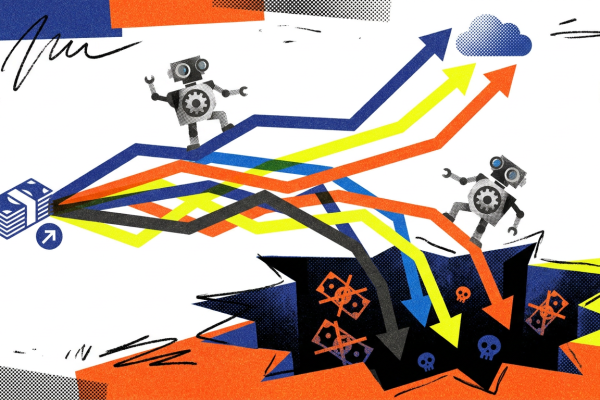
Princeton University’s CEO-Bench test found that most AI models failed to sustain a fictional software startup over 500 simulated days, with only three outperforming their starting capital, while a simple rule-based heuristic outperformed nearly all AI agents.

Asian AI startups are launching advanced Mythos-like models, circumventing U.S. export bans on Anthropic’s Claude, potentially reshaping global AI market dynamics.

Samsung Electronics is now enabling all its Korea-based employees and global Device eXperience teams to use ChatGPT Enterprise and Codex, embracing AI tools for diverse business functions under enhanced data security.

OpenAI’s Jalapeño chip, developed with Broadcom, targets the high costs of AI infrastructure by optimizing hardware specifically for large language model inference.

e2e-assure has introduced Cumulo, a sovereign, AI-powered zero-day SOC platform, built to deliver predictive cyber defense across IT and OT systems in the UK.

Nvidia’s control over AI hardware and software ecosystems positions it as the backbone of the AI industry, raising questions about future competition and innovation.