
OpenAI’s Real Challenge Is Not ChatGPT’s Popularity
OpenAI’s problem is no longer obscurity. It is whether scale turns its advantage into something users, partners, and rivals can trust.

Your daily source for AI news, tools reviews, and practical guides to artificial intelligence
OpenAI’s problem is no longer obscurity. It is whether scale turns its advantage into something users, partners, and rivals can trust.

Nvidia remains the default toll collector on AI infrastructure, but the harder question is whether that toll gets defended by software lock-in, or chipped away by custom silicon and cloud power.

OpenAI is no longer judged like a startup or a lab. It is judged like infrastructure, platform, and power center — all at once.

The contrarian case on OpenAI is simple: its biggest risk is not Anthropic’s Claude, but the strategic fog created by its own expansion.

Anthropic’s latest AI model, Claude Sonnet 5, surpasses previous iterations and edges past the larger Opus 4.8 on key benchmarks, signaling progress in the competitive AI model landscape.
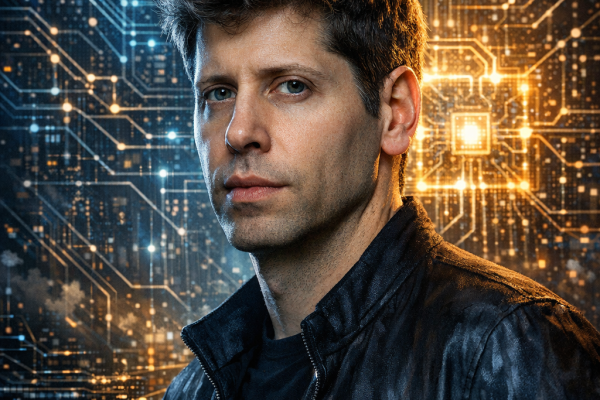
Sam Altman’s OpenAI wields immense influence in AI, but its growing business ambitions clash with its mission, risking a critical trust deficit in the AI race.
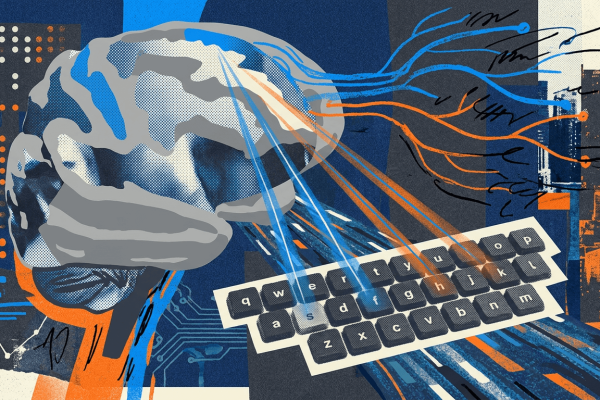
Meta AI is pushing the boundaries of non-invasive brain-computer interfaces with Brain2Qwerty v2, a system that translates brain activity into text with improving accuracy, edging closer to the performance of implant-based solutions.
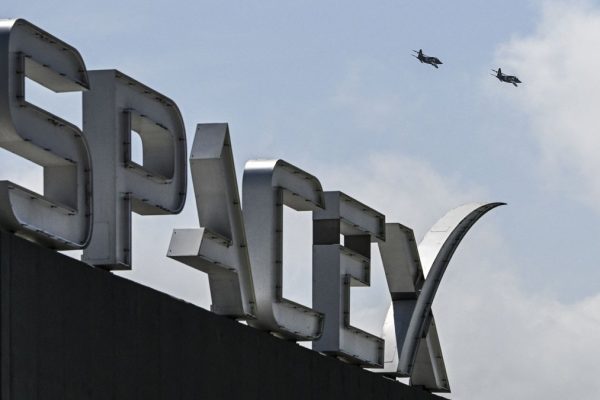
SpaceX has reportedly demonstrated a handset-like AI device prototype to investors, potentially broadening Elon Musk’s AI and wireless ambitions beyond Starlink and xAI.
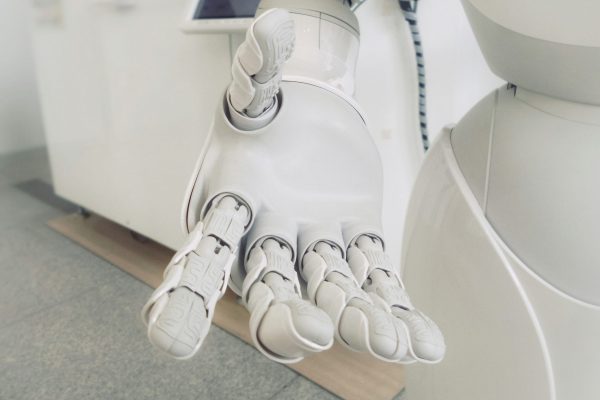
Japan’s government commits $6.1 billion over five years to develop a physical AI model enabling 10 million AI robots by 2040, addressing labor shortages amid an aging population.

Microsoft’s rapid data center growth to support AI services like ChatGPT is putting pressure on its sustainability goals, raising questions about the environmental costs of AI expansion.