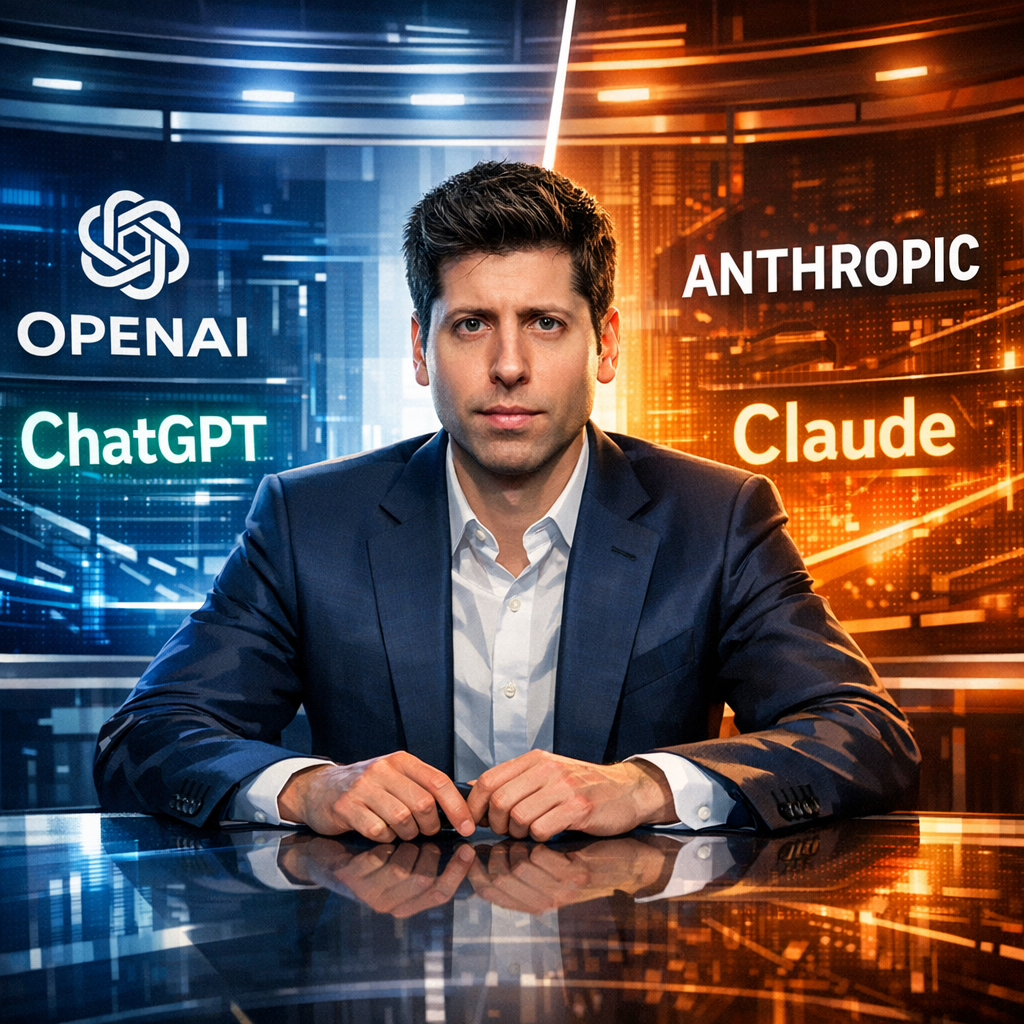
OpenAI’s Mission versus Market Power: The Trust Dilemma at the Heart of AI’s Future
OpenAI trust dilemma is at the center of this update. OpenAI began as a beacon of responsible AI development—promising to advance artificial intelligence for the benefit of all. Today, it stands as a dominant player with unprecedented power in shaping the AI ecosystem, thanks in large part to its partnership with Microsoft and the commercial success of ChatGPT. But this evolution presents a fundamental tension: can OpenAI’s trustworthiness survive as it balances mission with market?
The Stakes of Trust in AI’s Future
Trust is foundational to the AI industry’s trajectory. Unlike previous waves of technology, AI’s growing capabilities impact societal values, jobs, security, and ethics. Stakeholders—governments, users, and competitors—demand that AI companies act responsibly. OpenAI’s influence extends beyond products; it shapes norms, regulatory pressures, and competitive dynamics. How it navigates commercial interests and its founding ideals will influence whether the AI revolution remains inclusive or accelerates concentration and skepticism.
From Idealism to Market Realities
OpenAI’s 2019 transition to a capped-profit model and the subsequent infusion of capital from Microsoft were pivotal. They enabled massive scaling—access to Microsoft’s Azure compute infrastructure and billions in funding—but at the cost of closer corporate ties and profit-driven incentives. The rise of ChatGPT cemented OpenAI’s market dominance but also raised concerns about transparency, openness, and safety. Critics point to closed governance structures and the opacity surrounding model training and deployment decisions.
Counterpoint: Necessary Scale and Innovation
Proponents argue that OpenAI’s partnership with Microsoft is essential for sustaining the massive compute and talent needed to push AI capabilities forward. The capped-profit structure is a novel attempt to align mission with business realities—balancing societal benefit with financial incentives. OpenAI’s public disclosures and safety research indicate ongoing commitment to responsible AI. Without this commercial scale, many breakthroughs might have stalled.
Implications for the AI Race
This trust dilemma is emblematic of a wider industry challenge, where rapid innovation competes with the need for governance and accountability. OpenAI’s model underscores the growing importance of infrastructure control and strategic partnerships in the AI race. Rival labs like Anthropic, emphasizing safety-first ethos, and Google DeepMind, with its deep research focus, offer alternative paths that highlight the uniqueness and risks of OpenAI’s trajectory. How these dynamics play out will define the power structure of the next decade’s AI ecosystem.
Conclusion: Beyond Innovation, The Battle for Trust
OpenAI’s evolution reminds us that AI leadership is no longer about technological skill alone—it requires managing trust amid commercial pressures and strategic alliances. The future of AI depends on companies like OpenAI recommitting to transparency and ethical governance, setting standards the entire ecosystem must follow. Their choices will reverberate globally, influencing how AI develops and who benefits from it.
Related coverage: AI Chronicle analysis and updates.
Sources consulted
Why it matters
This update influences the AI race across model providers, infrastructure leaders, and enterprise adoption decisions.

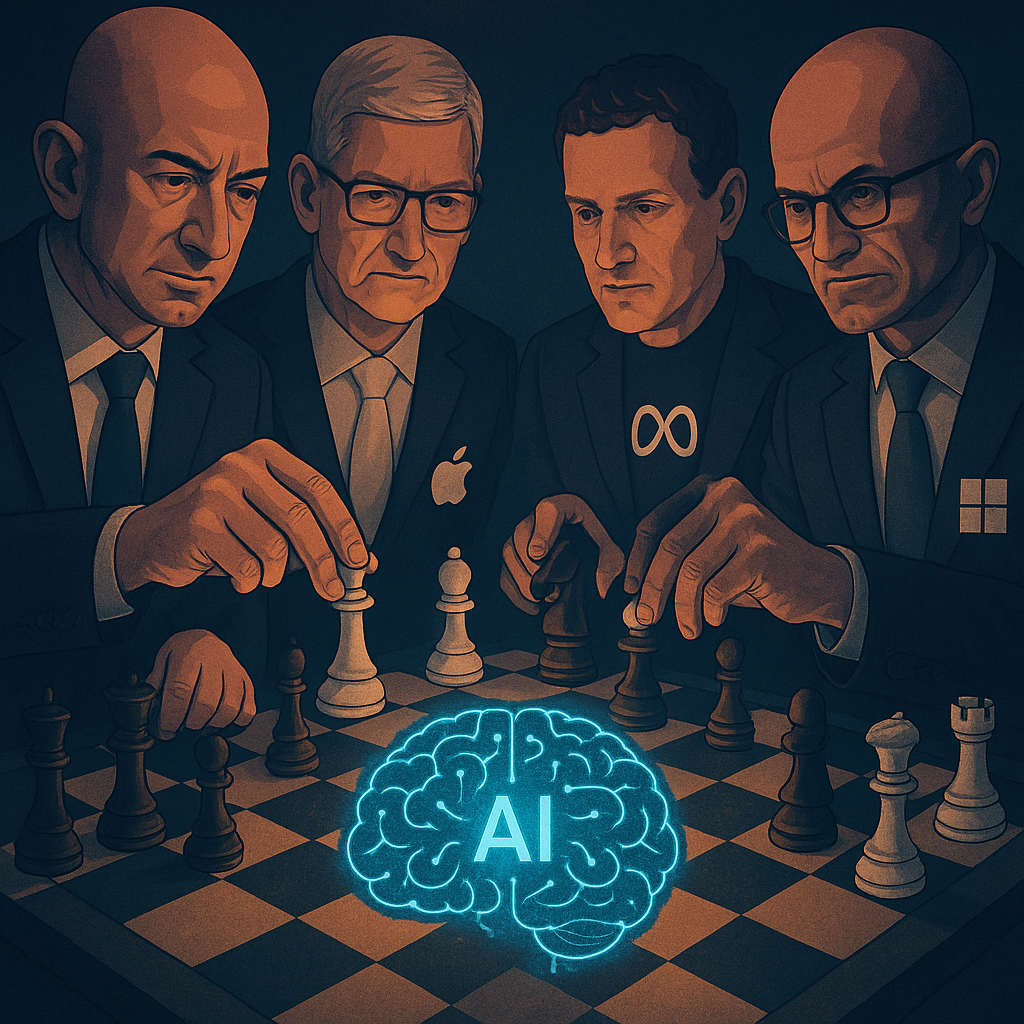 The Silent War for AI Dominance: How CEOs Are Prioritizing Power Over Innovation
 How AI CEOs Are Quietly Rewriting the Rules of Power and Influence
 Why Jensen Huang and NVIDIA Are Shaping the Future of AI Monopoly and Innovation
 Why OpenAI’s Biggest Challenge Is Earning Public Trust in the AI Era