Sam Altman’s Real Challenge Is Not Innovation but Trust
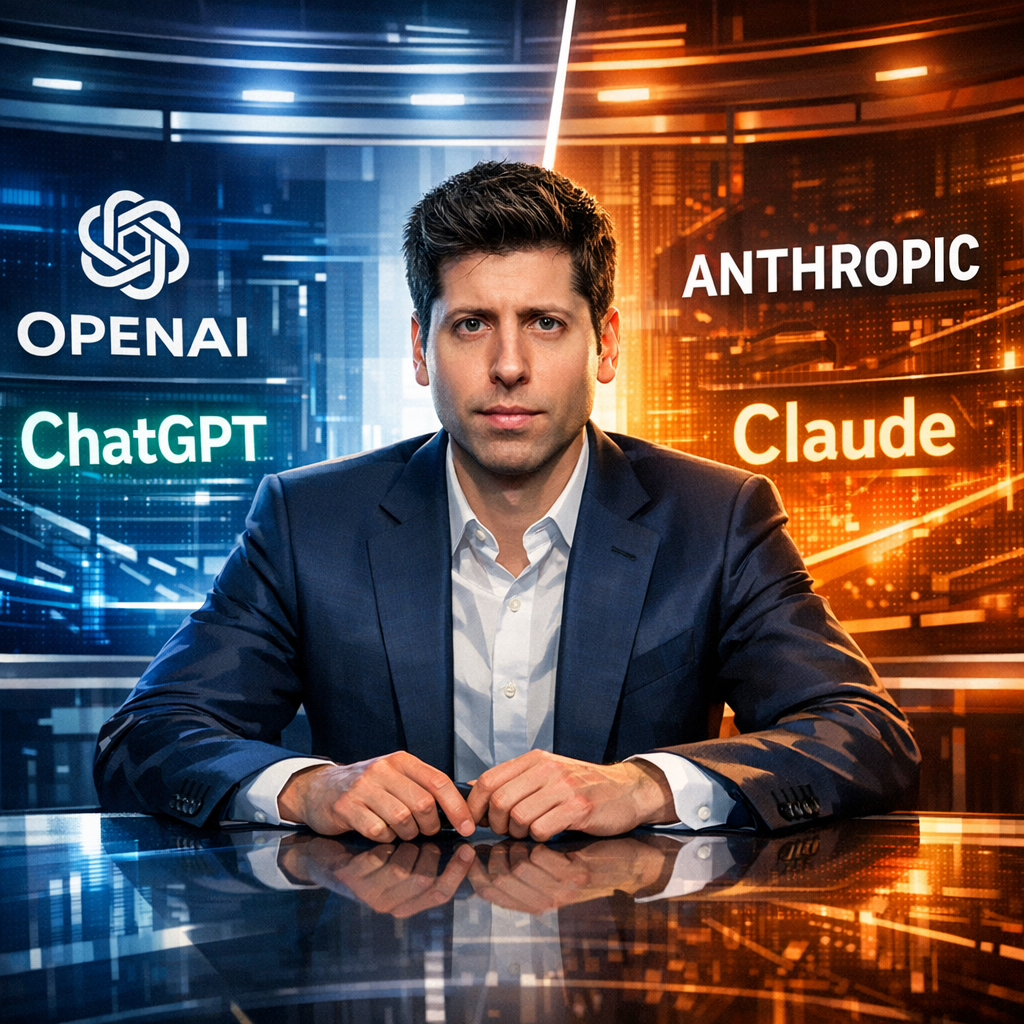
Sam Altman OpenAI trust is at the center of this update. Sam Altman has undeniably been a pivotal figure in transforming OpenAI from a niche research group into a dominant force shaping the future of artificial intelligence. Yet, the defining challenge for Altman and OpenAI today is not merely to push the boundaries of AI capabilities but to earn and sustain public trust. This tension between rapid innovation and accountability will ultimately determine OpenAI’s place in the AI ecosystem.
Since Altman’s rise, OpenAI has shifted from a mission-driven lab prioritizing AI safety and democratization to a commercial powerhouse with deep ties to Microsoft, attracting billions in investments. The launch of ChatGPT was a watershed moment that altered public and corporate perceptions of AI’s potential. But with this visibility came scrutiny—concerns about data privacy, ethical use, and the concentration of AI power in a handful of companies. These concerns are not just theoretical; they influence how regulators view OpenAI and impact the company’s social license to operate.
OpenAI’s original mission of broadly distributing AI benefits now seems at odds with its growing commercial interests and strategic partnerships. Critics point to opaque governance and limited external oversight as signs that OpenAI struggles to balance innovation with broader societal accountability. This gap in trust becomes more acute as the company races against rivals like Anthropic, which emphasizes safety-first development, and Google DeepMind, which blends cutting-edge research with a patient long-term vision.
Some argue that the rapid progress and commercial success are necessary and that some transparency must be sacrificed to protect competitive advantage and intellectual property. OpenAI has taken steps toward responsible AI development, but these have yet to fully convince the public or policymakers.
Ultimately, the AI race is no longer just about technological breakthroughs but about credibility, safety, and ethical stewardship. Microsoft’s success integrating OpenAI technologies into workplace tools illustrates how trust and distribution power interplay in the commercial AI landscape. If OpenAI fails to bridge the trust divide, it risks regulatory pushback and ceding ground to competitors who stake their reputation on safety and openness.
Sam Altman’s leadership has been transformative, but true leadership in AI’s next phase requires more than innovation—it demands earning the trust essential for AI’s responsible and inclusive future.
Related coverage: AI Chronicle analysis and updates.
Sources consulted
Why it matters
This update influences the AI race across model providers, infrastructure leaders, and enterprise adoption decisions.

 Why OpenAI’s Strategic Pivot to AWS Redefines the AI Infrastructure Race
 Why OpenAI’s Struggle With Trust Could Define the Future of Artificial Intelligence