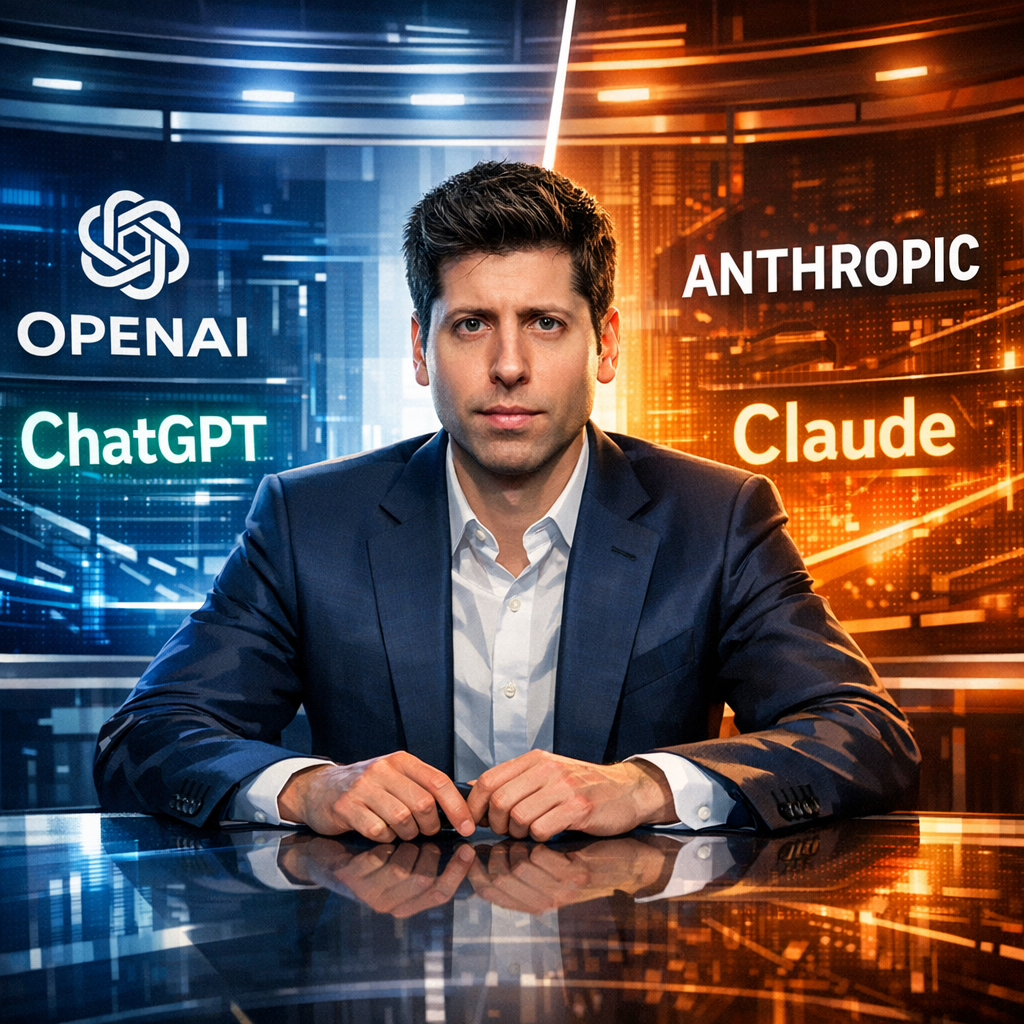
The Trust Deficit in Today’s AI Industry
Why Trust Biggest Challenge OpenAI is at the center of this update. Artificial intelligence is no longer a niche experiment; it’s rapidly becoming the backbone of our digital lives. Yet, as AI capabilities explode, a pressing question looms: can we trust the companies building these transformative tools? Trust isn’t just a buzzword—it determines whether AI’s promise will be realized or derailed by fear, misinformation, and ethical slips.
OpenAI’s Mission Versus Its Business Model: A Contradiction?
OpenAI began as a research lab with a bold mission: to ensure artificial general intelligence benefits all humanity. But over time, it has morphed into a commercial powerhouse with lucrative partnerships and rapid product rollouts. This evolution raises uncomfortable questions. Can a company driven by profit truly prioritize ethical AI? Or is OpenAI’s ambitious mission at odds with the commercial pressures it faces?
Sam Altman: Leader or Enigma?
Sam Altman’s rising influence in AI is undeniable. His vision and access to capital have pushed OpenAI to the forefront of technological breakthroughs like ChatGPT. But leadership in AI today demands more than innovation—it requires navigating ethical minefields, transparency challenges, and public scrutiny. Altman’s approach to power, accountability, and governance will shape not just OpenAI but the entire industry’s trajectory.
The Trust Challenge: More Than Just a PR Problem
Trust in AI extends beyond simple marketing. It’s about ensuring systems are safe, transparent, and aligned with societal values. The industry has witnessed numerous controversies around bias, misinformation, and opaque decision-making. Without public confidence, even the most advanced AI tools risk rejection or regulatory clampdowns.
Why Transparency and Accountability Matter
- AI models are becoming increasingly complex and costly, limiting who can build and control them.
- Concentration of power around a few players like OpenAI, Microsoft, and Nvidia creates gatekeepers who may prioritize business interests over societal good.
- Transparent policies around data usage, safety protocols, and model governance are essential to build meaningful trust.
Can OpenAI Set a New Standard for Ethical AI?
The path forward demands a radical rethink of AI leadership. This means embracing open dialogue with regulators, investing in safety research, and resisting the temptation to rush products to market without adequate safeguards. OpenAI’s next moves will be a litmus test for whether ethical AI leadership is possible at scale.
Questions Every AI Company Must Face
- How do they balance profit motives with the broader societal impact?
- What governance structures ensure accountability beyond the boardroom?
- Can transparency be institutionalized in models often viewed as proprietary secrets?
Conclusion: The Real AI Revolution Will Be About Trust
The AI industry is at a crossroads. Stunning technical progress is shadowed by an increasing trust crisis. Navigating this tension requires more than technology; it demands courageous leadership willing to place ethics and public good at the core of innovation. Sam Altman and OpenAI’s journey will either become a blueprint for responsible AI or a cautionary tale of power unchecked.
As consumers, policymakers, and technologists, the questions we ask—and the accountability we demand—will decide the future of artificial intelligence itself.
Related coverage: AI Chronicle analysis and updates.
Sources consulted
Why it matters
This update influences the AI race across model providers, infrastructure leaders, and enterprise adoption decisions.

Related Articles
 Top AI-Powered Wearables and Gadgets Transforming Tech in 2025
 Sam Altman’s OpenAI: Navigating the Tension Between Vision and Commercial Power
 Why Sam Altman’s Leadership Defines the New Power Dynamics in Artificial Intelligence
 The AI Leadership Crisis: How Power Concentration Threatens Innovation and Ethics