The AI Revolution’s Hidden Crisis: Trust in OpenAI
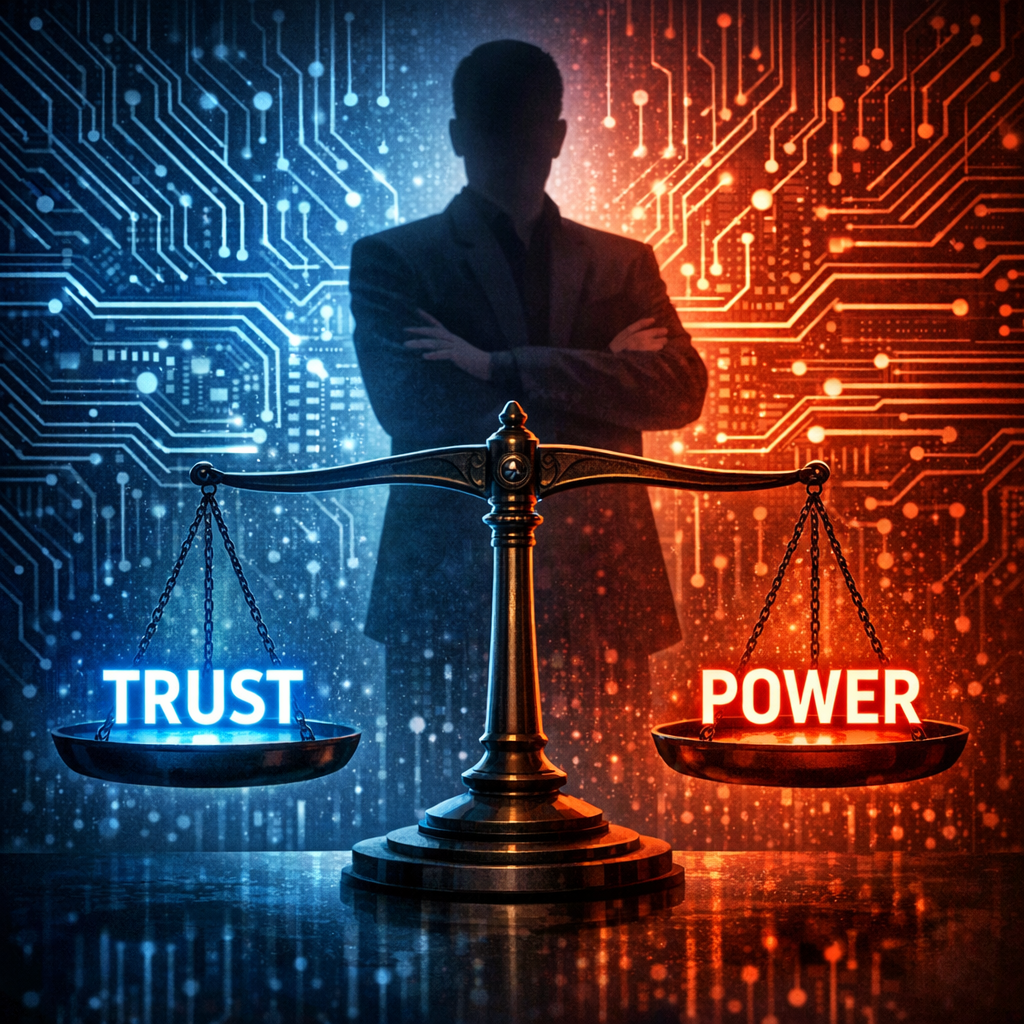
Why OpenAI Trust Problem Real is at the center of this update. OpenAI once presented itself as the beacon of safe and responsible AI innovation. Yet, as it evolves from a research lab into a dominant business powerhouse, the question isn’t just what it can build — but whether the public and industry can trust it. Trust isn’t just a feel-good factor; it’s the foundation that will decide if AI benefits humanity or deepens existing power imbalances.
OpenAI’s Mission vs. Its Business Model
OpenAI started with an ethos of openness and cooperation, promising to advance artificial general intelligence (AGI) responsibly. However, the massive commercial successes of ChatGPT and the growing partnership with Microsoft have shifted priorities towards monetization and competitive advantage. Can OpenAI balance profitability with its public safety commitments? This tension isn’t hypothetical—it’s a looming credibility crisis.
Why Trust Is Harder Than Innovation
Technological breakthroughs excite us, but trust is earned through transparency, accountability, and ethical consistency. OpenAI’s rapid growth and opaque decisions around model releases, data usage, and impact assessments raise uncomfortable questions. Is OpenAI genuinely prioritizing AI safety, or is it crafting a safety narrative to ease regulatory pressures and public concerns?
The Power Concentration Problem
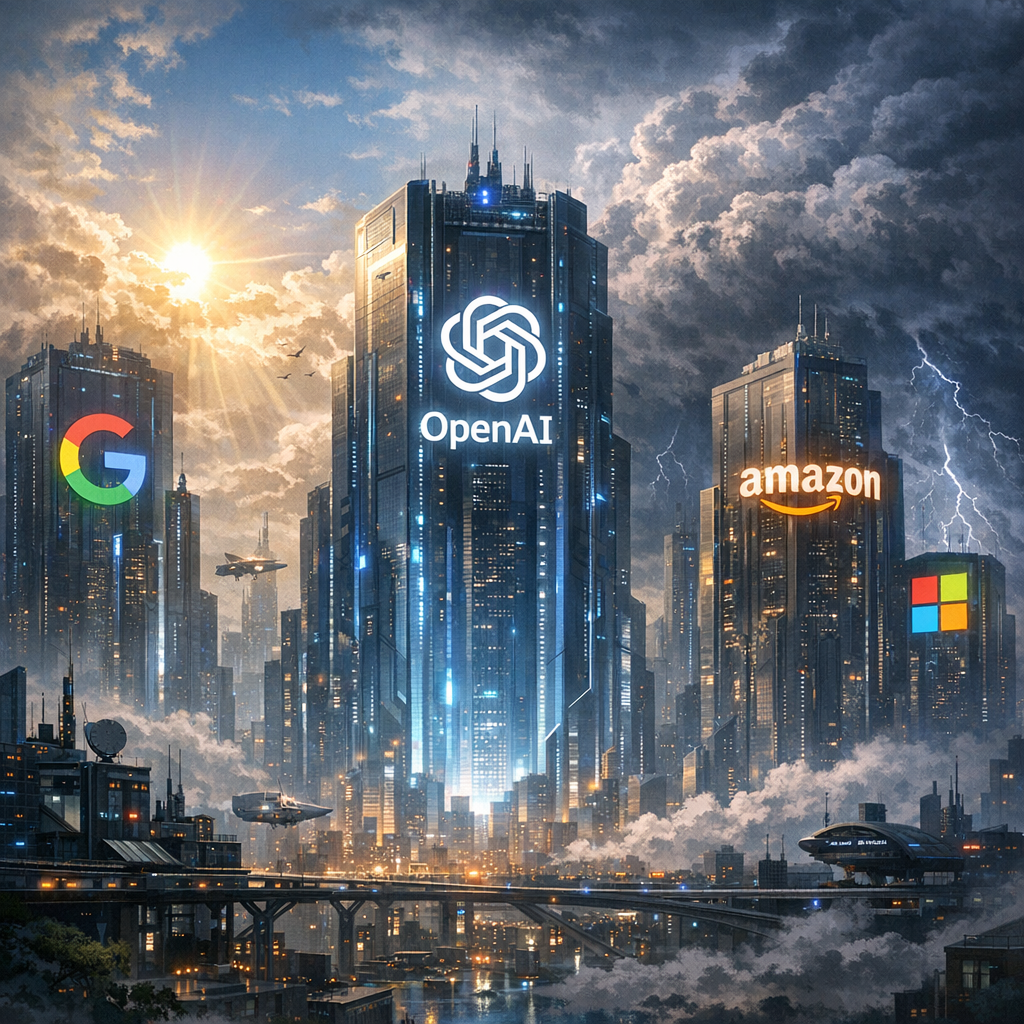
OpenAI’s increasing influence exemplifies a broader AI industry trend: concentration of power in a few companies controlling key models, compute infrastructure, and data. This monopolization risks limiting competition and diversity of thought—crucial ingredients for ethical innovation. Without trust, OpenAI and others risk becoming gatekeepers whose decisions shape not only the market but the social fabric.
Can Regulation Bridge the Trust Gap?
Governments and regulators scramble to catch up, but rules alone won’t fix trust deficits. Meaningful governance requires engaging diverse stakeholders—including civil society, independent researchers, and affected communities—to democratize AI oversight. Will OpenAI embrace this collaborative approach or double down on proprietary control?
Trust as a Strategic Advantage
Ironically, trust may be OpenAI’s most valuable asset in the long term. Companies like Anthropic build their reputations on safety-first principles, and consumers increasingly demand ethical tech. OpenAI’s challenge is whether it can transform trust from a marketing slogan into measurable action that withstands scrutiny.
Conclusion: The AI Future Depends on Trust, Not Just Technology
OpenAI sits at a crossroads where technological leadership meets ethical responsibility. The real test isn’t how smart their models get, but whether they earn enduring trust from users, regulators, and society. Without this trust, AI’s promise risks becoming a dystopian nightmare of corporate control and lost human agency. It’s time to ask: are we building AI for people—or for profits?
Related coverage: AI Chronicle analysis and updates.
Sources consulted
Why it matters
This update influences the AI race across model providers, infrastructure leaders, and enterprise adoption decisions.

 Is the Rise of AI Agents Threatening Human Creativity and Jobs?
 Why Trust Is OpenAI’s Biggest Challenge in the AI Power Race
 Is AI Automation Silently Killing the Creative Professions?