The Rise of Voice-Activated AI in the Workplace
With artificial intelligence increasingly embedded in everyday tools, the way people work is undergoing a significant transformation. One of the most noticeable changes is the growing use of voice commands and conversations with AI assistants at work. This shift is not only altering how tasks are performed but also reshaping office environments to support more frequent spoken interactions with computers.
From Typing to Talking: The Evolution of Work Setups
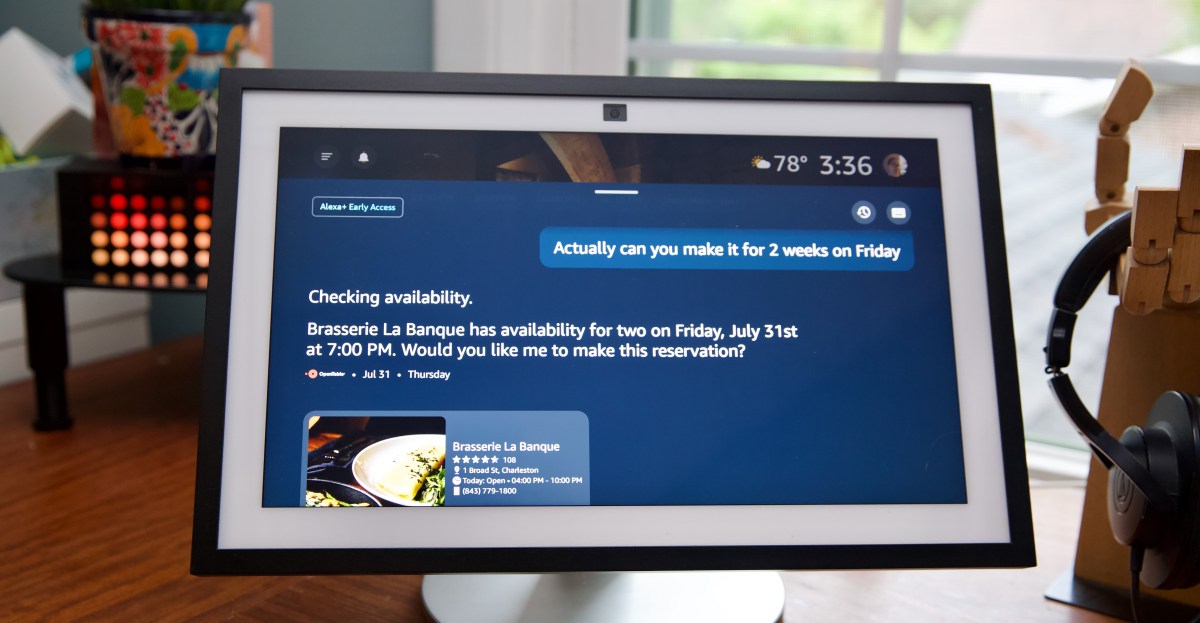
Traditional workplaces have long been designed around keyboards and screens, emphasizing silent typing and written communication. However, as AI assistants like ChatGPT and other conversational tools become more capable and accessible, employees are spending more time speaking to their devices to retrieve information, manage schedules, and automate workflows.
This evolution is prompting companies to reconsider office layouts, acoustics, and privacy considerations. The need for quiet spaces where employees can comfortably hold whispered conversations with AI without disturbing colleagues is driving innovations in office design.
Key AI Tools Enhancing Productivity
- Voice-Activated Assistants: Tools that respond to natural language commands streamline routine tasks, from setting reminders to drafting emails.
- AI-Powered Scheduling: Smart calendar assistants reduce time spent coordinating meetings.
- Real-Time Transcription and Summarization: AI services that capture and summarize spoken content improve meeting efficiency.
Implications for Workers and Employers
The integration of voice AI into daily work routines raises questions about privacy, workplace etiquette, and job roles. While some fear AI may replace certain jobs, many experts highlight new opportunities for roles focused on managing and optimizing AI interactions.
Employers are tasked with balancing the benefits of AI-driven productivity gains against the need to create environments conducive to both collaboration and focused individual work. The whisper-filled office of the future is an emblem of this balance—designed for seamless human-AI communication without compromising workplace harmony.
Looking Ahead: The Future of AI in Workspaces
Advancements in AI continue at a rapid pace, with companies like OpenAI, Microsoft, and Google leading innovations that bring conversational AI into everyday office life. As these tools become more intuitive and context-aware, the reliance on voice interactions will likely increase, further embedding AI into the fabric of work.
Ultimately, the office of tomorrow will be a hybrid space where whispered commands to AI coexist with traditional collaboration methods, enhancing productivity while maintaining a respectful, quiet atmosphere.
Fonte: ver artigo original

Related Articles
 OpenAI Acknowledges Persistent Security Risks in AI Browsers Amid Enhanced Cybersecurity Measures
 ZAYA1: Breakthrough AI Model Trained on AMD GPUs Challenges NVIDIA’s Dominance
 Claude Code Creator Unveils Revolutionary AI Workflow That’s Transforming Software Development
 Converge Bio Secures $25 Million to Advance AI-Powered Drug Discovery