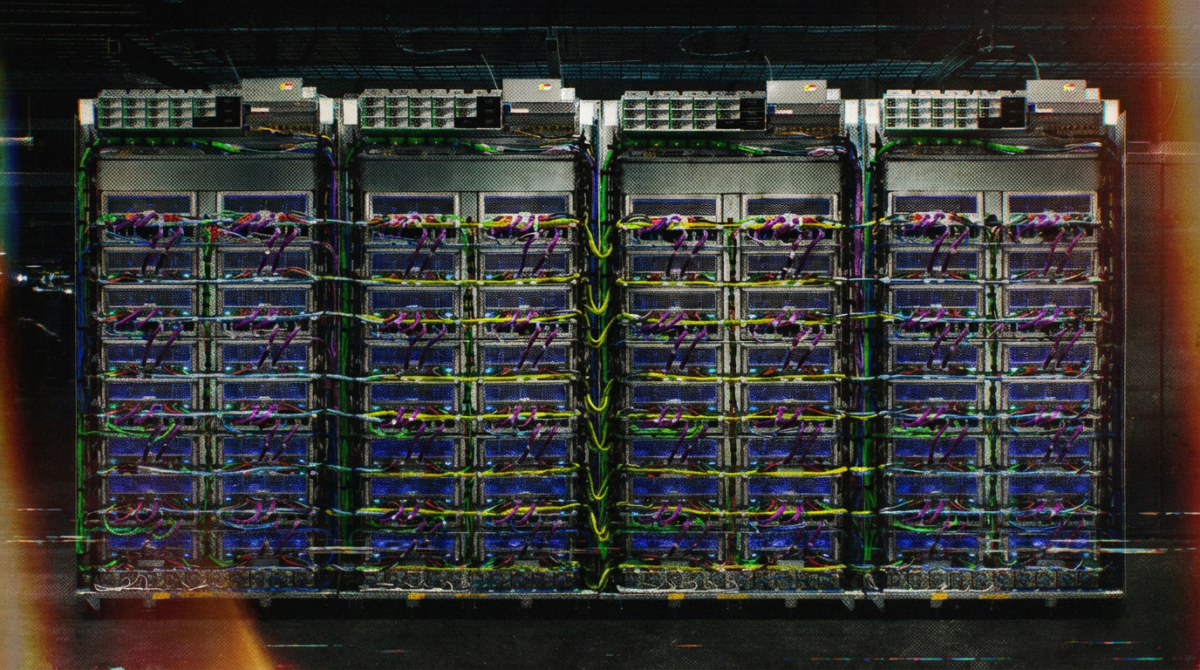
Google’s Strategic Move to Boost AI Hardware
Google is advancing its artificial intelligence infrastructure by engaging with semiconductor company Marvell Technology to develop two bespoke AI chips tailored for its data centers. This initiative reflects Google’s commitment to optimizing its AI processing power amid growing demand for advanced machine learning and data analysis.
Details of the Collaboration
According to sources cited by The Information, Google is currently in talks with Marvell Technology to create nearly two million new AI chips. These chips are designed to support Google’s expanding AI workloads, helping to improve performance and efficiency in its cloud services and AI applications.
Implications for the AI Industry
This partnership highlights the increasing importance of custom-designed hardware in the AI sector. With AI applications becoming more complex and resource-intensive, companies like Google are investing heavily in developing specialized chips that can accelerate AI computations while reducing costs.
Marvell’s expertise in chip design is expected to complement Google’s ambitions to maintain competitive advantages in AI technology, particularly as the race intensifies with other tech giants such as Microsoft and NVIDIA.
Broader Context: The AI Hardware Race
The demand for AI-specific hardware is surging as more businesses integrate AI tools for productivity, data analysis, and automation. Custom chips enable faster processing speeds and better energy efficiency compared to traditional CPUs or GPUs, which is crucial for large-scale AI deployments.
Google’s move to collaborate with Marvell also underscores a trend where major tech companies seek partnerships outside their traditional supplier networks to innovate and diversify their hardware solutions.
Future Outlook
As AI continues to transform everyday life and business operations, investments in AI chip development are critical. Google’s plan to deploy nearly two million new chips demonstrates its proactive approach to scaling AI capabilities and reducing reliance on third-party hardware providers.
This development will likely accelerate AI adoption across various sectors, from cloud computing and healthcare to education and cybersecurity, by providing more robust and efficient AI infrastructure.
Fonte: ver artigo original

Related Articles
 Stability AI Introduces Brand Studio to Enhance Brand-Consistent AI Image Generation
 Meta Restricts AI Character Access for Minors Amid Concerns Over Inappropriate Interactions
 Microsoft Acknowledges Bug in Copilot That Exposed Confidential Emails Despite Security Policies
 Gridcare Uncovers Over 100 GW of Hidden Data Center Capacity Using AI-Driven Grid Analytics