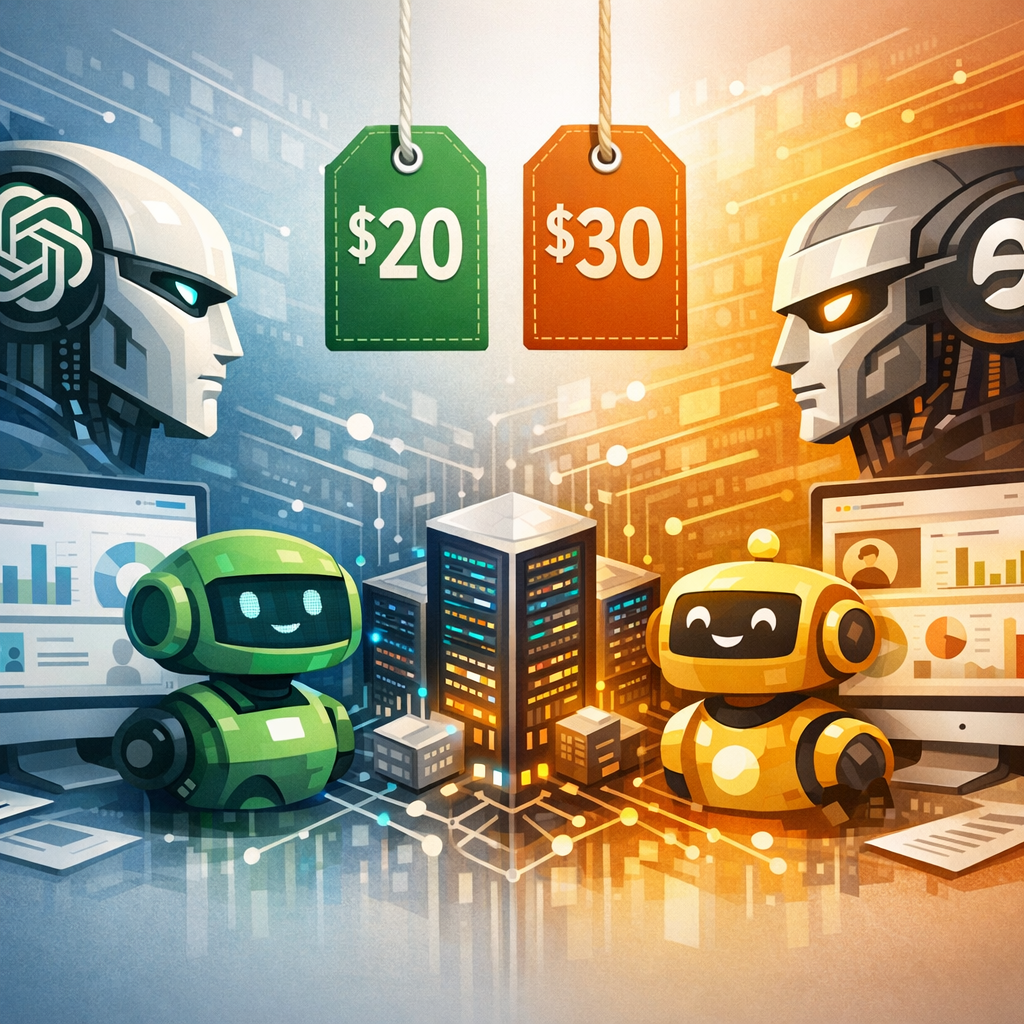
The rapid advancement of artificial intelligence in software development has introduced powerful tools like Claude Code, an AI coding assistant by Anthropic capable of writing, debugging, and deploying code autonomously. However, Claude Code’s pricing—ranging from $20 to $200 monthly—and stringent usage caps have led to growing dissatisfaction among developers.
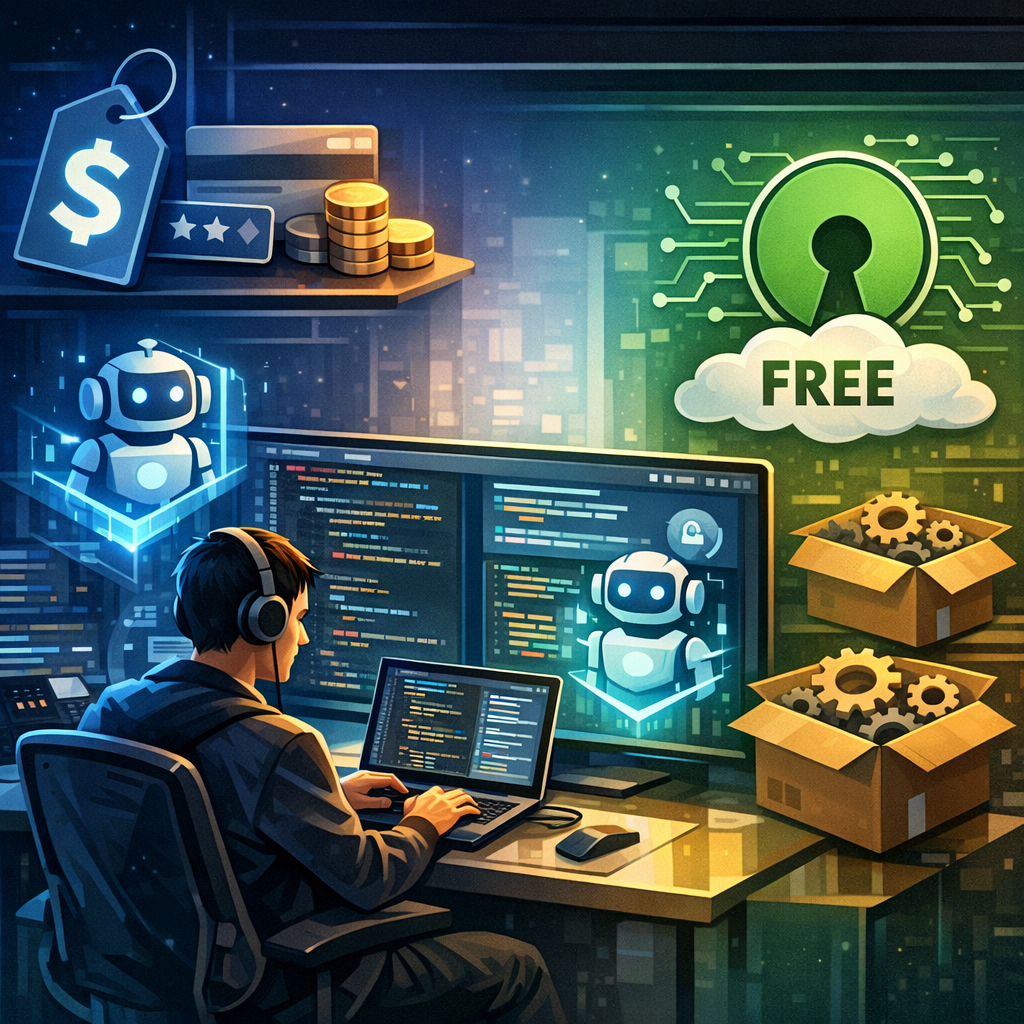
In response to this discontent, Goose, a free and open-source AI coding agent developed by Block (formerly Square), is gaining significant attention. Unlike Claude Code, Goose runs entirely on a local machine, eliminating subscription fees, cloud dependencies, and rate limits that reset every few hours. This preserves user privacy and enables offline work, appealing to developers seeking control and flexibility.
Anthropic’s Pricing Strategy Triggers Developer Backlash
Anthropic’s Claude Code offers tiered subscription plans but restricts usage severely. The Pro plan, priced at $20 per month, limits users to 10 to 40 prompts every five hours—a constraint that intensive coding quickly exceeds. Higher tiers costing up to $200 per month offer larger but still capped prompt volumes and access to Anthropic’s most advanced model, Claude 4.5 Opus.
In mid-2025, Anthropic introduced weekly rate limits calculated in token-based “hours,” which vary according to code complexity and session length. This system has been criticized as confusing and inadequate by users, some of whom report hitting limits within half an hour of serious work. The restrictions have led to public outcry on forums such as Reddit and prompted cancellations.
Anthropic defends the limits as necessary to prevent continuous background usage by a small fraction of users, but the lack of transparency regarding affected user proportions fuels uncertainty and frustration.
Goose’s Local AI Agent Approach Offers Freedom and Privacy
Block’s Goose takes a contrasting approach by functioning as an on-machine AI agent. It leverages open-source language models that users can download and run locally with tools like Ollama. This model-agnostic design allows Goose to connect to various AI models—including Anthropic’s Claude, OpenAI’s GPT-5, Google’s Gemini, or entirely local models—without enforced subscription or usage caps.
Because Goose operates offline, developers retain complete control over their data, ensuring privacy and enabling coding in environments without internet connectivity, such as during flights.
Capabilities Beyond Traditional Code Assistants
Goose functions through command-line or desktop interfaces and can autonomously handle complex tasks like creating projects, writing and executing code, debugging, orchestrating multi-file workflows, and interfacing with external APIs. It employs advanced “tool calling” or “function calling” techniques, allowing the AI to perform real actions rather than merely generating text instructions.
While Anthropic’s Claude 4 models currently lead in tool-calling performance, open-source models from Meta, Alibaba, Google, and others are rapidly improving. Goose also integrates with the Model Context Protocol (MCP), which expands its ability to access databases, search engines, file systems, and third-party services.
Setting Up Goose: A Three-Step Process
- Install Ollama: Download and install Ollama to manage and run open-source language models locally.
- Install Goose: Available as a desktop app or CLI tool, Goose can be downloaded from its GitHub repository with support for macOS, Windows, and Linux.
- Configure Connection: Link Goose to Ollama by setting the API host to localhost, enabling Goose to interact with the local language model.
Hardware Requirements and Trade-offs
Running powerful AI models locally demands significant memory and processing power. Block recommends at least 32 GB of RAM for larger models, with GPU VRAM also playing a role for Windows and Linux users. However, smaller models can run on systems with 16 GB of RAM, making the setup accessible to many developers.
Although local setups may offer slower processing speeds and lesser model sophistication compared to cloud-based services, they provide unparalleled control, privacy, and cost savings.
Comparing Goose to Commercial AI Coding Tools
Goose distinguishes itself in a competitive market crowded with tools such as Cursor, GitHub Copilot, and Amazon CodeWhisperer. While many competitors charge monthly fees and focus on code completion, Goose emphasizes autonomy, flexibility, and being free of subscription costs.
Goose does not yet match the polish and advanced capabilities of premium offerings but appeals strongly to developers prioritizing freedom and privacy.
The Future of AI Coding Tools: A Shift Toward Open-Source
Open-source AI models are rapidly advancing, narrowing the performance gap with proprietary solutions. Projects like Moonshot AI’s Kimi K2 and z.ai’s GLM 4.5 demonstrate capabilities near those of Anthropic’s Claude Sonnet 4 models, challenging the justification for high-priced subscriptions.
Developers now face a choice: pay for the best model quality and accept usage restrictions, or adopt free, privacy-focused tools like Goose that run locally and offer greater flexibility.
The emergence of Goose as a no-cost alternative to a $200-per-month commercial product highlights the maturing open-source AI ecosystem and developers’ demand for tools that respect their autonomy.
While Goose requires more technical setup and hardware resources, its growing community values these trade-offs for true ownership over their AI-assisted development workflows.
Fonte: ver artigo original

Related Articles
 OpenAI’s ChatGPT empire faces Anthropic’s Claude challenge in a race Sam Altman can’t ignore
 Startup by Former Harvard Students Unveils AI-Powered Smart Glasses with Continuous Audio Recording
 Ford Rehires Engineers to Correct Automation Errors Amid AI Quality Challenges
 OpenAI and Microsoft Collaborate to Enhance Cybersecurity with Advanced AI Models