
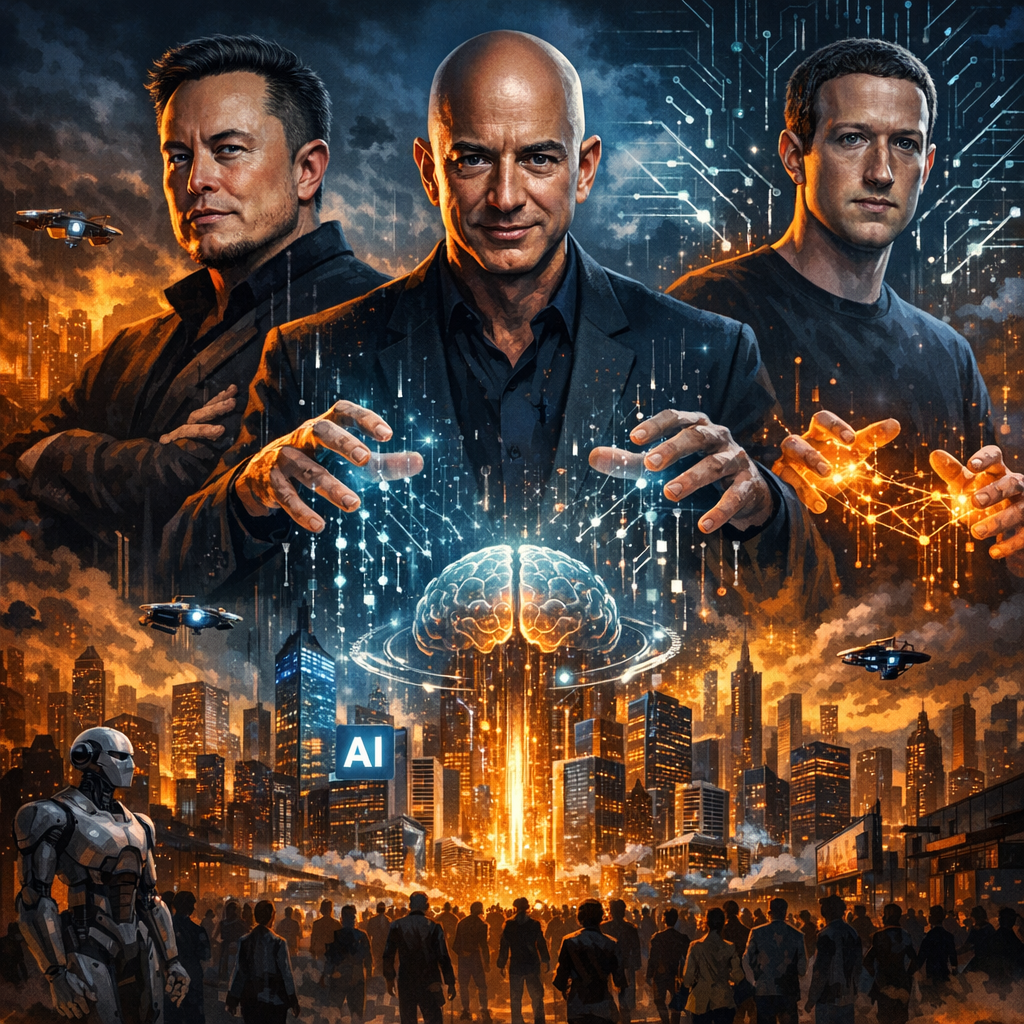
The Concentration of Power in AI Leadership
Artificial intelligence is no longer just a technological marvel; it is a political and economic powerhouse shaping the future of society. Yet, behind the shiny breakthroughs lies a troubling reality: a leadership crisis in the AI industry. A handful of CEOs wield disproportionate influence, controlling the narrative, investment, and direction of AI development. This concentration raises serious questions about innovation, ethics, and democratic oversight.
Why Does AI Leadership Crisis Matter?
When leaders prioritize control over collaboration, the entire AI ecosystem suffers. Innovation slows as closed-source models dominate, and smaller startups struggle to compete. The tech giants’ monopolistic grip—exemplified by figures like Jensen Huang of Nvidia and Sam Altman of OpenAI—means fewer voices shape the future of AI, creating a homogeneous and potentially dangerous path forward.
Moreover, this power concentration threatens democratic governance. AI companies influence regulation and policy, writing rules that protect their interests rather than public good. This corporate sway undermines transparency and accountability, fostering mistrust among the public and policymakers alike.
Is AI Safety Just a Branding Strategy?
The debate over AI ethics and safety increasingly looks like a marketing tool rather than a genuine commitment. Big tech’s reluctance to embrace open-source AI reflects a preference for control and profit over safety and innovation. This paradox raises uncomfortable questions: Are we witnessing a race to the bottom where safety is sacrificed for speed and power?
The Illusion of Competition and the Monopoly Threat
Despite the appearance of a vibrant AI startup ecosystem, the reality is that many new ventures falter or get acquired early. The dominance of hardware suppliers like Nvidia creates bottlenecks that further centralize power. This monopoly over critical AI chips restricts innovation and increases dependency on a few players, intensifying the leadership crisis.
Can the AI Industry Save Itself?
Some argue that open-source AI is the last line of defense against authoritarian control. Yet, without proper governance and incentives, open-source efforts struggle to match the resources of closed models. The challenge is massive: balancing innovation, ethical oversight, and democratized access in a landscape dominated by powerful CEOs and their corporate empires.
Ultimately, the AI leadership crisis is not just a corporate dilemma—it’s a societal one. If we fail to address it, we risk entrenching a future where AI serves the interests of a few rather than humanity at large.
Questions to Consider
- Are current AI CEOs shaping the world responsibly, or pursuing power at the expense of public interest?
- Can governments effectively regulate AI when the rules are written by the companies they should control?
- Is open-source AI viable as a counterbalance, or is it doomed under corporate pressure?
- What role should the public play in the AI narrative to ensure ethical, innovative, and democratic outcomes?

Related Articles
 Why OpenAI’s Mission and Business Model Are on a Collision Course: The Trust Dilemma in AI Power
 Why Sam Altman’s Leadership Defines the New Power Dynamics in Artificial Intelligence
 Sam Altman and the Concentration of Power in the AI Industry: Who Really Controls Our Future?
 Sierra, Bret Taylor’s AI Startup, Surpasses $100 Million ARR in Under Two Years


