Anthropic Revisits Subscription Models Amid Changing Claude AI Workloads
Anthropic, the AI research company behind the Claude language model, recently made headlines by briefly removing Claude Code from its Pro subscription plan for new users. This decision was quickly reversed after significant public feedback, highlighting the challenges of adapting subscription services to rapidly evolving AI usage patterns.
Amol Avasare, Anthropic’s Head of Growth, has publicly indicated that the current subscription tiers, including the Pro and Max plans, no longer adequately reflect how users engage with Claude. This admission points to a broader trend in AI service provision, where user demand and application complexity are outpacing existing business models.
Why Subscription Plans Are Becoming Outdated
The surge in demand for advanced AI capabilities like those offered by Claude has transformed typical usage scenarios. Users are increasingly leveraging AI for complex coding, content creation, and productivity tasks, which require more robust resources than initially anticipated by subscription frameworks.
As AI tools become integral to everyday workflows, particularly for freelancers, small businesses, and developers, providers face pressure to innovate pricing and access options that better serve diverse user needs without compromising profitability.
Implications for AI Productivity Tools
This development underscores the rapid evolution of AI assistants and productivity apps. Claude’s growing workloads illustrate how AI is becoming indispensable in professional settings, prompting industry players to rethink how they package and monetize AI services.
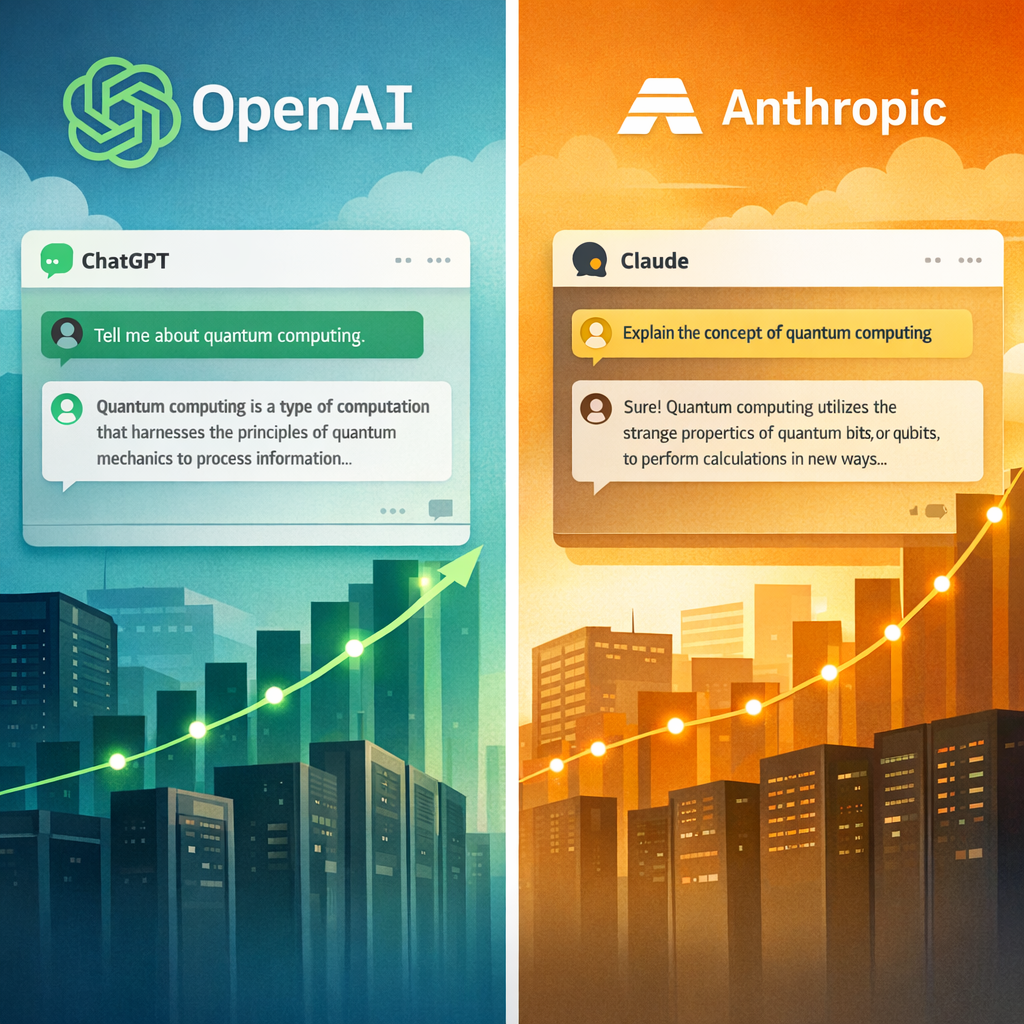
Anthropic’s experience also reflects wider industry dynamics, where competitors like OpenAI and Google continually update their offerings to match user expectations and technological capabilities.
Looking Ahead: What This Means for AI Users and Providers
Anthropic’s situation raises critical questions about the future of AI subscriptions. Will companies introduce more flexible, usage-based pricing? Could there be tiered access tailored to specific professional needs? The answers will likely shape how AI tools integrate into work environments and influence accessibility for students, freelancers, and enterprises alike.
Meanwhile, users can expect ongoing adjustments as AI providers strive to balance innovation, user experience, and sustainable business models in a fast-paced industry.
Fonte: ver artigo original

Related Articles
 Google Leverages 5 Million News Articles and Gemini AI to Predict Flash Floods
 OpenAI, ChatGPT and the Kill Switch Question: Why This Rivalry Is About Control, Not Just Capability
 Europe’s AI Paradox: Leading Adoption but Funding Foreign Platforms
 France Transitions from Windows to Linux to Reduce Dependence on US Technology