Meta Advances AI Sustainability with Significant Solar Power Expansion
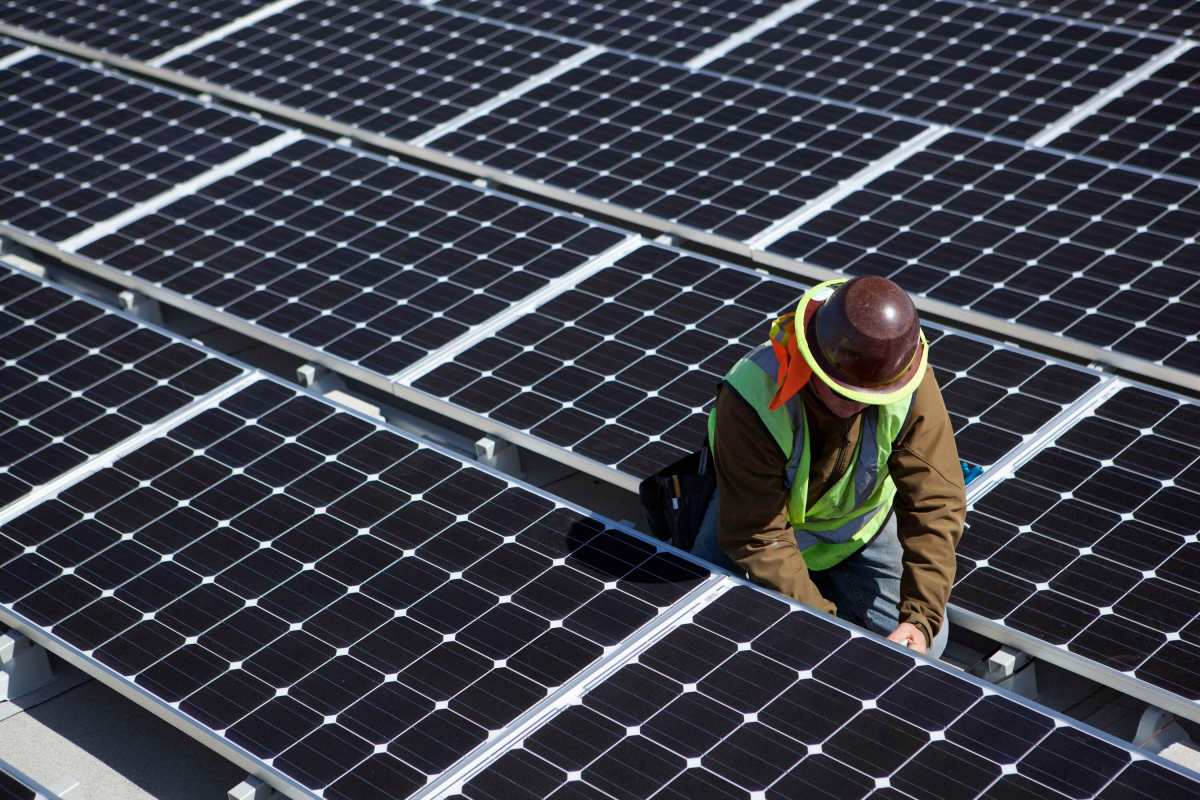
Meta Platforms Inc. has announced a substantial increase in its renewable energy capacity, incorporating an additional 650 megawatts of solar power to support its growing artificial intelligence (AI) operations. This expansion further solidifies Meta’s position as a leader in sustainable AI infrastructure.
Driving AI Growth with Renewable Energy
As AI workloads demand increasing computational power, energy consumption has become a critical concern for technology companies. Meta’s investment in renewable energy aims to mitigate the environmental impact of powering data centers and AI training facilities. With the new solar power addition, Meta’s renewable energy portfolio now surpasses 12 gigawatts, underscoring its long-term commitment to green energy.
Context of Meta’s AI Ambitions
Meta’s expansion of renewable energy capacity aligns with its aggressive AI development strategy, which includes large language models, AI agents, and multimodal AI systems. These AI initiatives require vast amounts of computational resources, typically powered by GPUs and other AI-specific hardware, which in turn consume significant electricity.
By investing in solar power, Meta ensures a more sustainable energy supply for these demanding operations, reducing reliance on fossil fuels and curbing carbon emissions. This strategic move positions Meta to balance innovation with environmental responsibility as it competes with other AI giants in the industry.
Industry Implications
Meta’s renewable energy expansion reflects a broader trend across technology leaders prioritizing sustainability in AI infrastructure. Companies such as Google, Microsoft, and Amazon have similarly increased investments in green energy to power their AI data centers. This shift not only addresses regulatory and societal pressures but also helps reduce operational costs over time.
Looking Ahead
Meta’s latest solar power addition is expected to support upcoming AI workloads, including the development of more advanced language models and AI applications designed for productivity and automation. As AI technologies continue to evolve, the integration of clean energy solutions will remain a crucial factor in shaping the future of AI deployment worldwide.
Fonte: ver artigo original

 Cadence Strengthens AI and Robotics Collaborations with Nvidia and Google Cloud
 Top AI-Powered Wearables and Gadgets Transforming Tech in 2025
 Erin Brockovich Challenges Secrecy Surrounding Data Centers
 Claude AI Now Integrates Seamlessly with WordPress to Enhance Site Analytics