Understanding AI’s Self-Control in Reasoning
OpenAI has recently shared insights into a new aspect of artificial intelligence behavior called “Chain of Thought (CoT) controllability.” This concept measures whether AI models can intentionally influence or regulate their own reasoning steps during problem-solving. The findings, presented alongside the GPT-5.4 Thinking update, show that current reasoning AI models largely fail to control their internal reasoning deliberately.
What is CoT Controllability?
Chain of Thought controllability refers to an AI’s ability to consciously steer its thought process, much like a human might reflect on and adjust their reasoning path. This capacity could potentially allow AI to avoid errors or biases by critically evaluating intermediate steps before arriving at a conclusion.
Why Limited Control is Encouraging
Interestingly, OpenAI interprets this limited control over reasoning as a positive indicator for AI safety. Since AI models are unable to fully manipulate their own thought sequences, they are less likely to autonomously develop harmful or unpredictable behaviors. This inherent limitation provides a measure of control for developers and regulators concerned about AI systems acting beyond intended parameters.
The Broader Context of AI Safety
As AI systems become increasingly integrated into everyday life and critical applications—from healthcare to hiring—understanding their internal decision-making mechanisms is essential. OpenAI’s research into CoT controllability adds to the growing body of work aimed at making AI transparent, accountable, and aligned with human values.
The challenge remains that while AI can generate complex reasoning, it still lacks meta-cognitive abilities to monitor and adjust its own logic flow effectively. This gap underscores the need for ongoing research into interpretability and control frameworks within AI development.
Implications for AI Development and Use
- For developers: Insights into CoT controllability can guide the design of safer, more reliable AI models that are less prone to unexpected outcomes.
- For users: Awareness of AI’s reasoning limitations helps set realistic expectations about AI assistance in decision-making roles.
- For policymakers: Evidence of limited autonomous reasoning control supports the case for cautious and regulated deployment of advanced AI technologies.
Looking Ahead
OpenAI’s report marks an important step in demystifying how AI models think and reason. While the inability of AI to fully control its reasoning may seem like a constraint, it serves as a safeguard in the ongoing quest to balance AI innovation with safety considerations.
As AI tools continue to evolve, further research will be crucial to enhancing their transparency and control mechanisms, ultimately fostering trust and enabling responsible integration into various sectors.
Fonte: ver artigo original

Related Articles
 OpenAI’s Sweetpea AI Wearable Aims to Rival Apple’s AirPods with Advanced Features
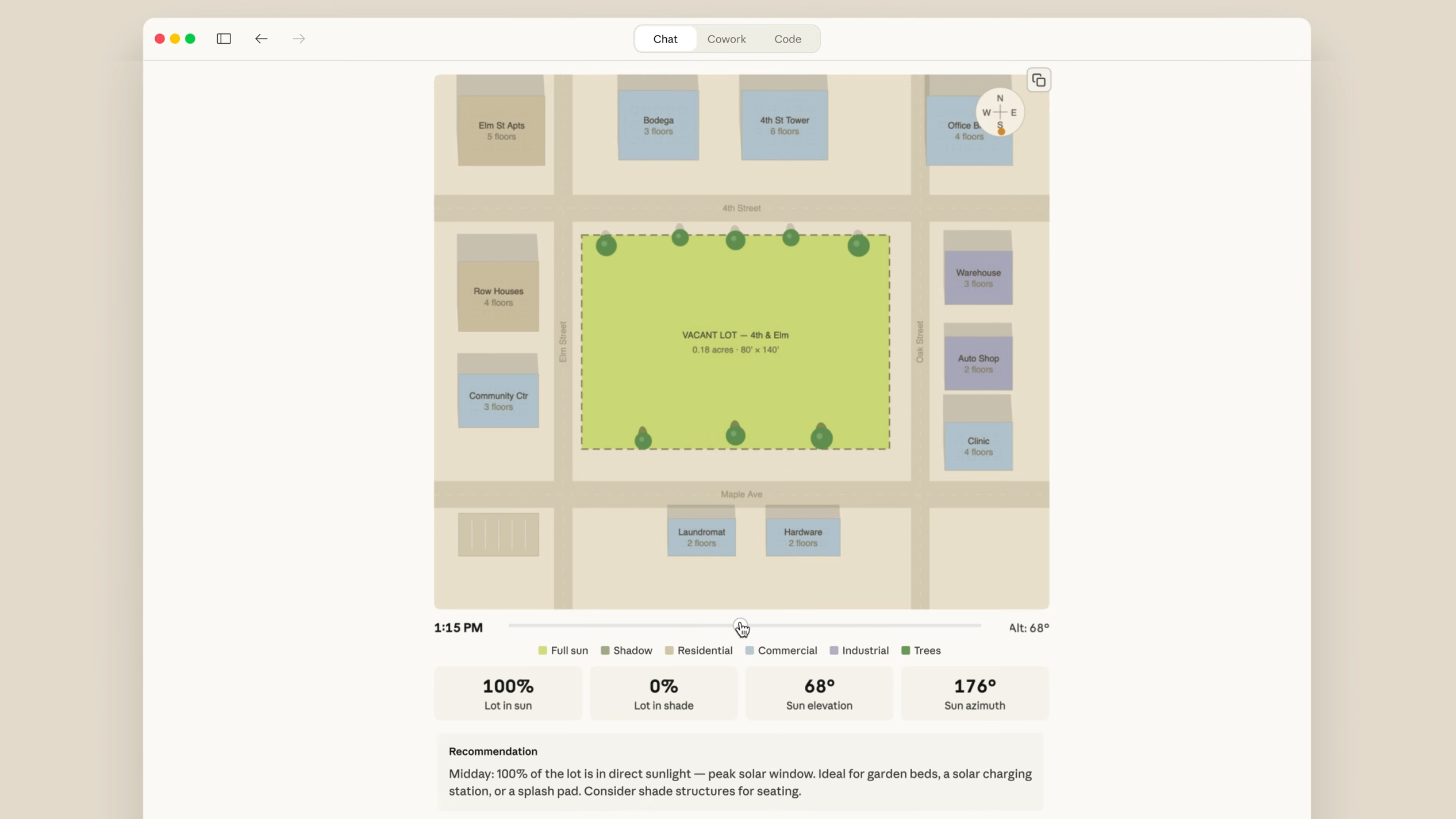 Anthropic’s Claude AI Introduces Interactive Chart and Visualization Creation in Chat
 Converge Bio Secures $25M Series A to Advance AI-Powered Drug Discovery
 HP’s Enterprise AI and Data Strategy: Balancing Compute, Governance, and Cost