## CONTENT:
As artificial intelligence (AI) technology continues to advance at an unprecedented pace, we find ourselves at a significant crossroads in human history. The question at hand is not just about the capabilities of AI but about the balance of power in a world where tech companies wield influence that could rival, or even surpass, that of sovereign nations. I argue that if current trends continue, AI companies will indeed become more powerful than nations, reshaping the political, economic, and social landscapes in profound ways.
### The Rise of Tech Giants
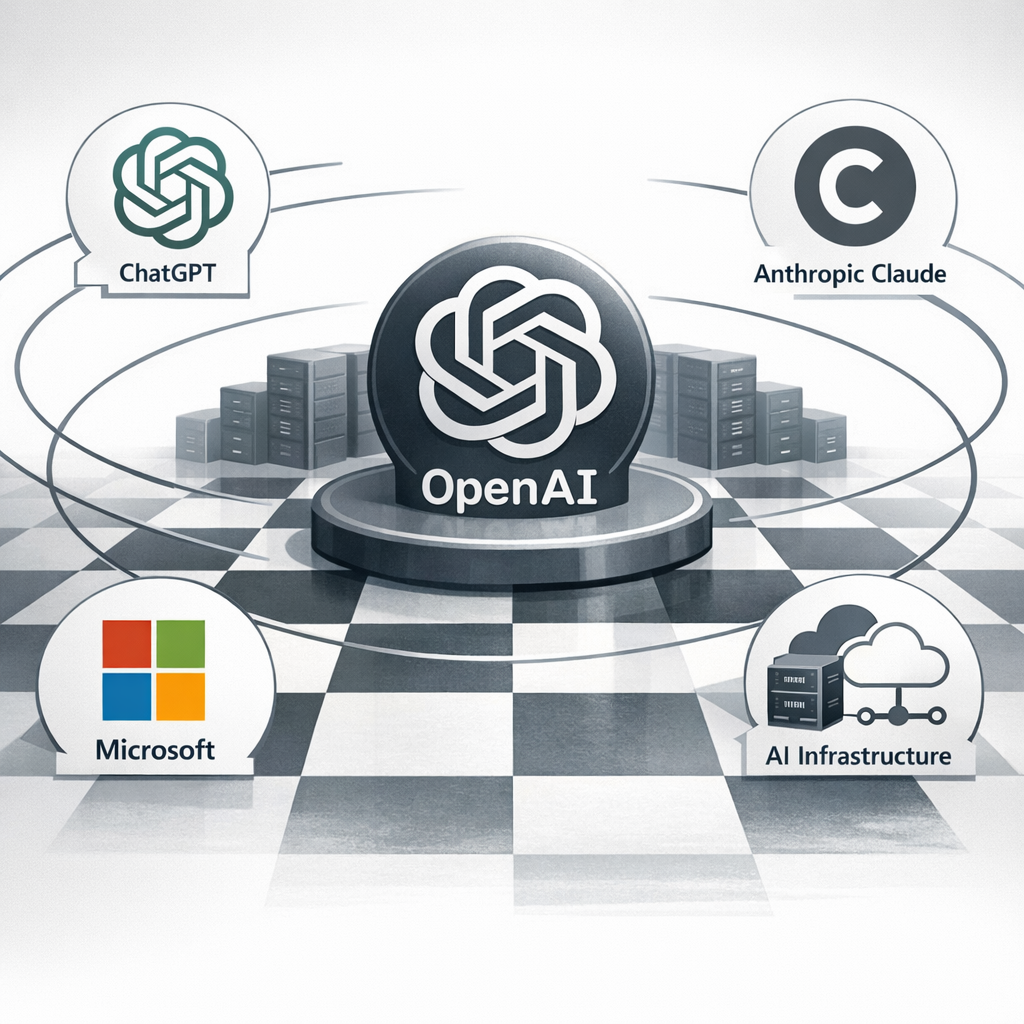
In recent years, we have witnessed the rise of a few tech giants, companies that have amassed wealth and influence akin to that of entire economies. Consider the following:
– **Market Capitalization**: Companies like Microsoft, Apple, and Google have market capitalizations that exceed the GDP of many countries.
– **Data Control**: These companies control vast amounts of data, which is the lifeblood of AI development.
– **Innovation Power**: They invest heavily in research and development, often outpacing governmental initiatives.
This concentration of power is concerning, as it raises questions about accountability and the ethical implications of AI technologies.
### Economic Influence
One of the most immediate areas where AI companies are gaining power is in the economic realm. The traditional economic indicators that nations use to measure their strength—such as GDP, employment rates, and innovation indices—are increasingly influenced by the actions of tech companies.
– **Job Creation and Destruction**: AI companies can generate jobs, but they can also automate roles, leading to significant job displacement.
– **Investment Power**: With deep pockets, these companies can shape entire industries by directing investments toward specific technologies or regions, often overshadowing governmental efforts.
– **Global Trade**: AI-driven products and services are becoming essential in global trade, giving tech companies leverage in international negotiations.
### Political Power
As AI companies grow, their political influence also expands. This influence can manifest in various ways:
– **Lobbying**: Tech giants invest heavily in lobbying efforts to shape legislation that affects their interests. This can lead to a regulatory environment that favors corporations over public welfare.
– **Public Policy**: With expertise in technology, these companies often craft policies that affect data privacy, national security, and even foreign relations, sometimes without adequate oversight.
– **Geopolitical Tensions**: The race for AI supremacy can exacerbate geopolitical tensions, as nations vie for technological leadership, often relying on the capabilities of private firms.
### Ethical Considerations
The ascension of AI companies to positions of power raises significant ethical concerns. Who is accountable when AI systems cause harm? When tech companies operate in a legal gray area, the potential for misuse becomes alarmingly high.
– **Bias and Fairness**: AI systems can perpetuate biases present in training data, leading to unfair outcomes in critical areas like hiring, law enforcement, and healthcare.
– **Surveillance and Privacy**: The ability of tech companies to collect and analyze data can lead to invasive surveillance practices, infringing upon individual privacy rights.
– **Manipulation of Information**: The power to influence public opinion through algorithms and targeted advertising can undermine democratic processes.
### The Case for Regulation
To address these challenges, there is a growing consensus that regulation is necessary. However, the question remains: can governments effectively regulate AI companies that have outpaced them in both technological advancement and financial power?
– **International Cooperation**: Countries must work together to establish international standards for AI development and deployment.
– **Transparency**: Companies should be required to disclose how their AI systems operate and the data they use, ensuring accountability for their actions.
– **Public Engagement**: Citizens must be involved in discussions about AI governance, ensuring that the technology serves public interests rather than corporate profits.
### A New Balance of Power
I believe that it is crucial for society to establish a new balance of power between nations and AI companies. If we fail to do so, we risk creating a future where tech giants operate with minimal oversight, prioritizing their interests over societal welfare.
– **Empowering Governments**: Governments must strengthen their technological expertise and resource allocation to effectively engage with AI companies.
– **Promoting Innovation**: Incentives for ethical AI development can encourage companies to prioritize societal benefits alongside profit.
– **Citizen Advocacy**: Public advocacy can drive change, holding both governments and corporations accountable for their actions.
### Conclusion
In summary, the rapid rise of AI companies certainly poses a threat to the established power structures of nations. However, this shift does not have to culminate in an unregulated landscape where tech companies dominate. By addressing the ethical, political, and economic ramifications of this trend, we can work toward a future where technology serves humanity rather than enslaves it.
The conversation about the power dynamics between AI companies and nations is essential, and it is time for all stakeholders—governments, corporations, and citizens—to engage in shaping a balanced and ethical AI future.

 Why Trust Is OpenAI’s Biggest Challenge in the AI Power Race
 The Hidden War: How Big Tech CEOs Are Competing for AI Power, Not Innovation
 Why NVIDIA’s AI Monopoly Threatens Innovation and Global AI Leadership
 How AI CEOs Are Quietly Rewriting Society: Power, Ethics, and the Future of Technology