# The Impact of AI on Creative Industries: Navigating Copyright Challenges
Artificial intelligence (AI) is increasingly transforming creative industries, from music and art to writing and design. While these advancements promise unprecedented opportunities for innovation and efficiency, they also raise significant concerns about copyright infringement and intellectual property rights. As companies and creators grapple with the implications of AI-generated content, the landscape of copyright law is being challenged like never before.
## AI in Creative Industries: An Overview
AI’s integration into creative sectors is revolutionizing how content is produced and consumed. Here are some key areas where AI is making a significant impact:
– **Music Composition**: AI algorithms can analyze existing musical compositions to generate new melodies and arrangements. Tools like OpenAI’s MuseNet and Google’s Magenta allow artists to experiment with AI-generated music, blending human creativity with machine learning.
– **Visual Art**: Platforms such as DALL-E and Midjourney enable users to create intricate images from textual descriptions. These tools are not only assisting artists but also prompting debates about the originality and ownership of AI-generated artwork.
– **Writing and Journalism**: AI language models, including OpenAI’s ChatGPT, can produce news articles, stories, and even poetry. This capability raises questions about the role of human authorship and the potential for AI to replace traditional writing jobs.
– **Film and Animation**: AI is being used to streamline animation processes and enhance visual effects, making it easier and cheaper to produce high-quality content.
While these applications showcase the potential of AI to enhance creativity, they also introduce complex legal dilemmas, particularly regarding copyright.
## Copyright Challenges in the Age of AI
As AI systems generate content, the question of who owns that content becomes increasingly complicated. Current copyright laws are primarily designed for human creators, leading to a mismatch in how intellectual property rights are applied. Key challenges include:
– **Authorship and Ownership**: If an AI creates a painting or writes a song, who is the rightful owner? Is it the developer of the AI, the user who prompted the creation, or does the work fall into the public domain?
– **Infringement Risks**: AI systems often learn from vast datasets that include copyrighted materials. This raises concerns about whether AI-generated works infringe on existing copyrights, especially if they closely resemble the original works.
– **Moral Rights**: Artists often have moral rights that protect their personal connection to their work. The introduction of AI complicates these rights, as it is unclear whether an AI can infringe on an artist’s moral rights if it generates derivative works.
## Industry Responses and Adaptations
In response to these challenges, various stakeholders in the creative industries are taking proactive steps to adapt to the evolving landscape:
– **Policy Development**: Governments and international organizations are beginning to explore new legal frameworks that address the complexities of AI in creative fields. This includes amendments to existing copyright laws and the development of guidelines specifically for AI-generated content.
– **Licensing Models**: Companies are experimenting with new licensing agreements that clarify the ownership and usage rights of AI-generated works. For instance, some platforms are offering licenses that allow users to commercialize AI-generated content while ensuring fair compensation for original creators.
– **Collaboration Between Humans and AI**: Many artists and creators are embracing AI as a collaborative tool rather than a replacement. By working alongside AI, they can enhance their creative processes while maintaining control over the final output.
## Conclusion: Navigating the Future of AI and Copyright
As AI continues to reshape creative industries, the interplay between innovation and intellectual property rights will remain a critical issue. While the potential for AI to enhance creativity is immense, it is essential to address the legal and ethical implications that accompany these advancements. Balancing the interests of creators, AI developers, and consumers will be vital as we navigate this new frontier.
The future of AI in creative industries is undoubtedly exciting, but it also requires vigilance and adaptation to ensure that the rights of human creators are protected in an increasingly automated world.
*Based on reporting from www.technologyreview.com.*
Based on external reporting. Original source: www.technologyreview.com.

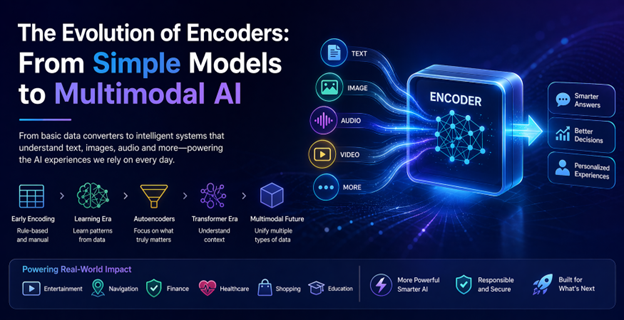 The Evolution of Encoders: From Basic Models to Advanced Multimodal AI
 Google Introduces Opal AI: A Rapid Mini-App Creation Tool for Businesses and Creators