What happened
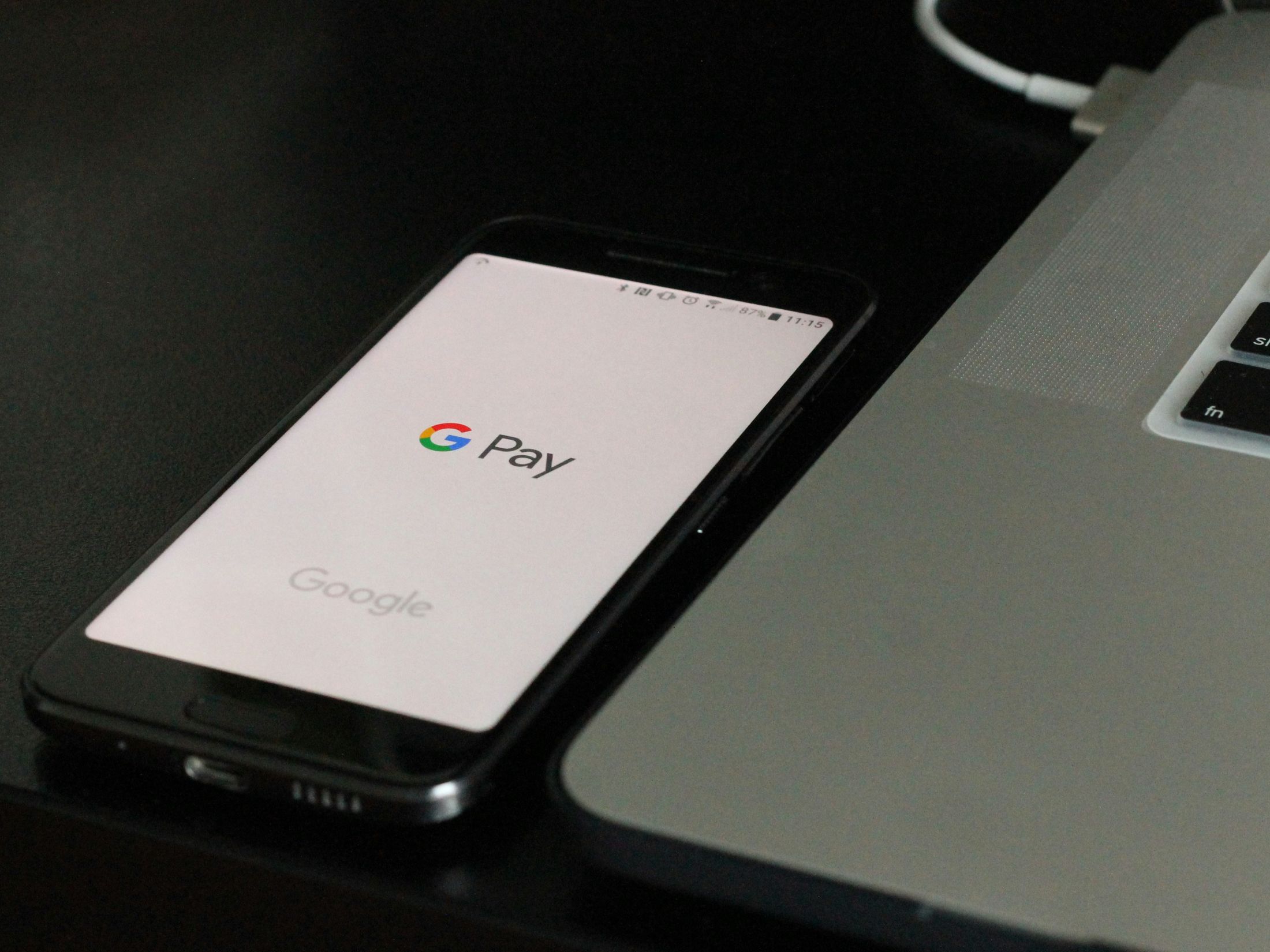
Google Pay Prepares Driven Transactions is at the center of this update. Google Pay is revamping its payment infrastructure to accommodate the rising wave of transactions initiated by AI agents. The introduction of the Universal Commerce Protocol and new server architecture aims to transform Google Pay into a central hub for autonomous agent purchases.
Google Pay’s New Strategy for AI Agent Transactions
Google Pay is undertaking a significant overhaul of its payment systems to support an emerging influx of transactions conducted by AI agents. These autonomous systems, which handle tasks such as booking flights or ordering supplies, require a more machine-friendly transaction process than the current user interface designed for humans.
The Universal Commerce Protocol: A Standard for AI Payments
A pivotal feature of this update is the Universal Commerce Protocol (UCP), a new specification created to standardize communication between AI agents, payment systems, and merchants. UCP provides a universal language enabling AI agents to initiate transactions, verify inventory, and manage fulfillment seamlessly across multiple vendors without the need for custom integrations.
Merchant Commerce Platform Server: Centralizing AI Transactions
Google is also launching a Merchant Commerce Platform (MCP) server, acting as an intermediary to streamline merchant integrations and analyze trends in AI-driven commerce. This server simplifies backend complexities for developers of AI agents while granting Google access to a centralized repository of transactional data from these autonomous activities.
Enhancements for Dynamic and Embedded Payments
- Dynamic Callbacks for Android: Google Pay now supports dynamic callbacks in its Android API, allowing real-time order modifications such as updated shipping costs or tax recalculations without restarting the checkout process. This feature increases transaction resilience during complex purchases.
- Expanded WebView Support: Payment capabilities are extended within WebViews, enabling transactions directly inside third-party apps, including social media platforms where conversational commerce is gaining traction. This allows AI agents embedded in these environments to process payments natively.
The Shift to Machine-to-Machine Commerce
The traditional customer journey, marked by clicks and page views, is evolving into a process where AI agents interpret product data and complete transactions via APIs. This shift demands that businesses present product details, pricing, and availability in machine-readable formats to remain visible and competitive in this new commerce channel.
Marketing and product teams must adapt to the reality that search engine optimization now extends to AI systems, not just human consumers. Failure to provide accessible data to AI agents risks exclusion from automated purchasing ecosystems.
Considerations on Data Governance and Platform Dependency
While the MCP server offers convenience and a universal standard, it also raises concerns about data governance and vendor lock-in. By funneling transactions through its platform, Google gains a privileged insight into AI-driven commerce patterns, which may influence long-term strategic decisions for enterprises relying on this infrastructure.
Addressing Security Challenges with AI Transactions
Authorizing transactions initiated by AI agents introduces new security complexities. Malfunctioning or malicious agents could potentially execute unauthorized purchases at scale. Google addresses this with cross-device biometric authentication, enabling agents to request human verification programmatically.
This “human-in-the-loop” security model allows users to approve transactions initiated by AI agents on separate devices, such as confirming a purchase arranged on a laptop via a prompt on a smartphone. This mechanism provides a critical audit trail and control point for sensitive or high-value transactions.
Defining the operational policies dictating when AI agents can act autonomously versus when they require human approval is becoming an essential element of corporate governance, linking business rules directly to software behavior.
Implications for the Future of Commerce
Google Pay’s updates signal a foundational shift in digital commerce infrastructure, preparing for a future where machine-driven transactions become commonplace. Organizations that treat their online presence solely as human-facing websites may find themselves unprepared for this next evolution in commerce.
As AI agents become integral to purchasing processes, companies will need to adapt technical architectures, data strategies, and security models to thrive in an increasingly automated market landscape.
Fonte: ver artigo original
Related coverage: AI Chronicle analysis and updates.
Why it matters
This update influences the AI race across model providers, infrastructure leaders, and enterprise adoption decisions.

Related Articles
 OpenAI and Microsoft End Exclusivity and AGI Clause in Revised Partnership
 Breakthrough in Adversarial Learning Enables Real-Time AI Security at Enterprise Scale
 Jury Finds Elon Musk Misled Twitter Investors Over Bot Claims During Acquisition Dispute
 OpenAI Shuts Down Sora After High Costs and Rapid User Decline