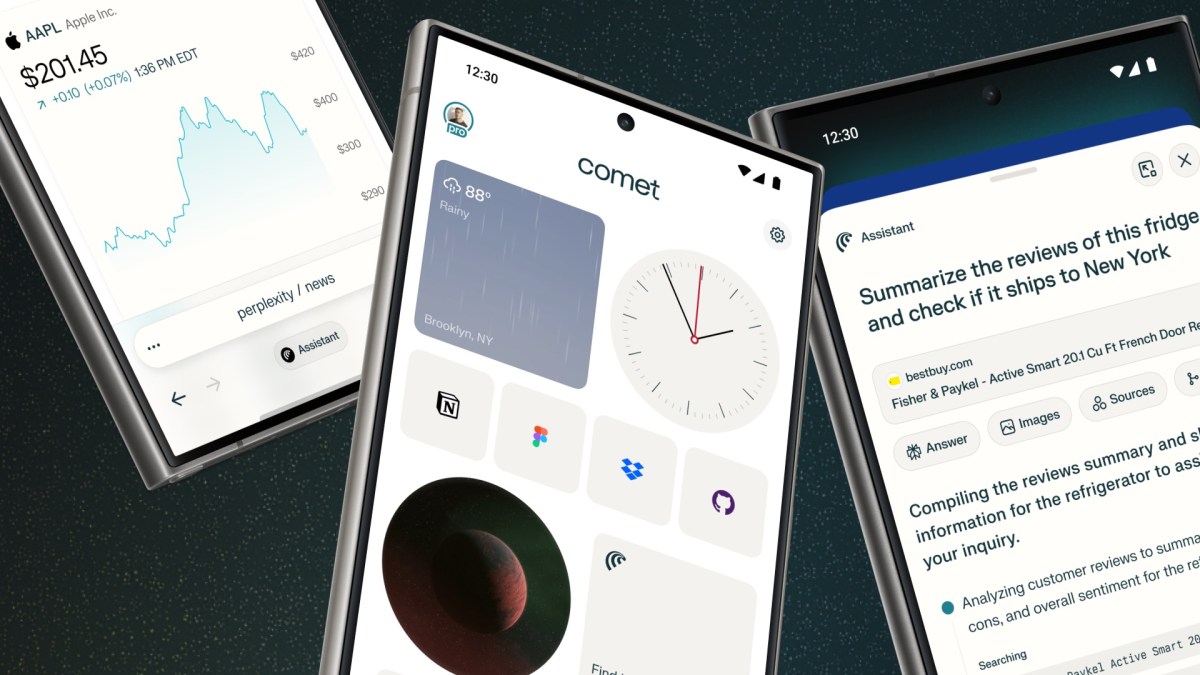
Perplexity Introduces Comet AI Browser on Android
Perplexity, a startup operating at the intersection of artificial intelligence and web browsing, has officially released its AI-driven browser, Comet, for Android users. This launch aims to bring large language model (LLM) capabilities directly to mobile browsing, enhancing user interaction with search and information retrieval.
Comet: Bridging AI and Browsing
Comet integrates advanced natural language processing technologies to offer users an enriched browsing experience. By leveraging Perplexity’s expertise in AI, the browser can understand and respond to complex queries, summarize content, and provide more conversational interactions compared to traditional search engines.
The Android release follows the initial launch on desktop platforms and is part of Perplexity’s strategy to capture a broader mobile audience. Meanwhile, an iOS version of Comet is actively in development, signaling the company’s commitment to cross-platform availability.
Context in the AI Browser Landscape
Perplexity’s move comes amid a growing industry trend where AI startups and tech giants alike are embedding large language models into browsers and search tools. This trend is driven by advances in LLMs and increasing demand for AI-powered productivity and information tools on mobile devices.
Notably, the integration of AI into browsers raises ongoing discussions about data privacy, alignment, and the ethical use of AI-generated content. Perplexity has stated its dedication to responsible AI practices, aligning with broader industry efforts to address these challenges.
Industry Implications and Future Outlook
- Expanding AI capabilities to mobile platforms broadens user access to conversational AI tools.
- Cross-platform development, as indicated by the upcoming iOS version, is critical for startups competing against established tech giants.
- Perplexity’s approach highlights the growing importance of AI agents and automation in everyday applications.
- The launch reflects continuing innovation in AI infrastructure and developer tools enabling such products.
As AI browsers like Comet gain traction, they contribute to evolving user expectations around search, productivity, and digital assistance. The competitive landscape will likely intensify as other players invest in similar integrations, with implications for regulation, AI safety, and market dynamics.

 Gridcare Uncovers Over 100 GW of Untapped Data Center Capacity in Electrical Grid Using AI
 Midjourney Expands Beyond AI Art with Full-Body Ultrasound Scanner
 AI Web Search Risks: How Businesses Can Mitigate Data Accuracy Threats
 The Illusion of Transparency: Why AI Regulation Is Mere Political Theater