What happened
Midjourney Scanner ultrasound is at the center of this update. Midjourney, known for its AI image generator, is entering the medical hardware space with The Midjourney Scanner, an ultrasound-based full-body imaging device aiming for MRI-comparable quality.
Midjourney Unveils The Midjourney Scanner: A Leap Into Medical Imaging
Midjourney, the AI company best known for its image generator that produces everything from cat pictures to surreal art, has announced a major strategic expansion. CEO David Holz introduced The Midjourney Scanner, an ultrasound-based full-body scanning device that aims to deliver image quality comparable to MRI technology.
What Happened
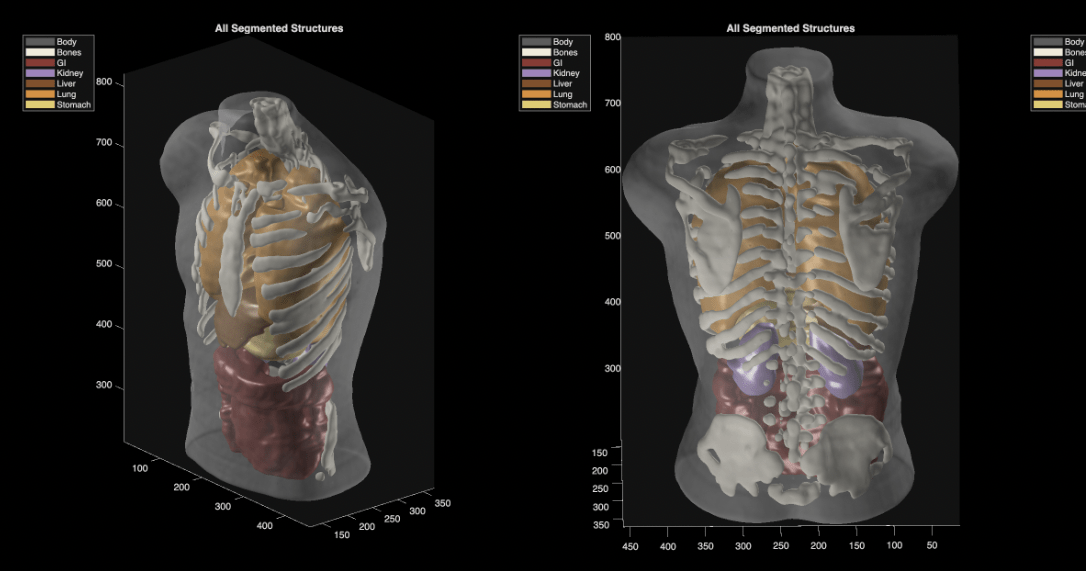
In a recent reveal, Holz showcased the company’s first hardware product, which uses a ring of sensors to capture vertical slices of the body, analyzing muscle, fat, bone, and organs. The scanner is designed for frequent use—potentially daily or annually—making advanced imaging more accessible. Holz also disclosed plans to launch a San Francisco-based spa featuring this technology, signaling a direct-to-consumer health monitoring approach.
Why It Matters
This development represents a significant pivot from Midjourney’s original focus on AI-powered image creation to tangible medical hardware. The Midjourney Scanner could democratize high-quality medical imaging, traditionally limited by cost and accessibility barriers associated with MRI scans. By incorporating AI-driven analysis, the device could enable proactive health monitoring and early detection, potentially transforming personal healthcare.
Context in the AI Landscape
While companies like OpenAI, Anthropic, and Google DeepMind have concentrated on software AI models, Midjourney’s move into hardware reflects a broader industry trend toward integrated AI applications involving physical devices. This mirrors Nvidia’s leadership in AI chip development and Tesla’s efforts in robotics, underscoring the AI race’s multi-faceted nature.
Expected Impact
If The Midjourney Scanner proves effective and gains regulatory approval, it may disrupt medical imaging markets by providing a more convenient and affordable alternative to MRI. Its integration into wellness centers could broaden AI’s footprint in healthcare, encouraging competitors to innovate in AI-powered diagnostic tools.
What Remains Uncertain
Key details such as clinical trial results, regulatory pathway, pricing models, and the nature of AI algorithms used remain undisclosed. The timeline for commercial rollout and how this device will integrate with existing medical infrastructure is still to be determined.
Related coverage: AI Chronicle analysis and updates.
Sources consulted
- https://www.theverge.com/ai-artificial-intelligence/952011/midjourney-medical-ai-ultrasound-scan
- https://openai.com/news/
- https://www.anthropic.com/news
Why it matters
This update influences the AI race across model providers, infrastructure leaders, and enterprise adoption decisions.

Related Articles
 Two Mobility Startups Declare Bankruptcy Amid Industry Shifts
 Trustpilot Strengthens AI Partnerships Amid Decline in Traditional Search Usage
 Meta Expands Renewable Energy Commitment with Additional 650 MW Solar Capacity to Support AI Operations
 Infosys Unveils Comprehensive AI Implementation Framework to Guide Business Leaders