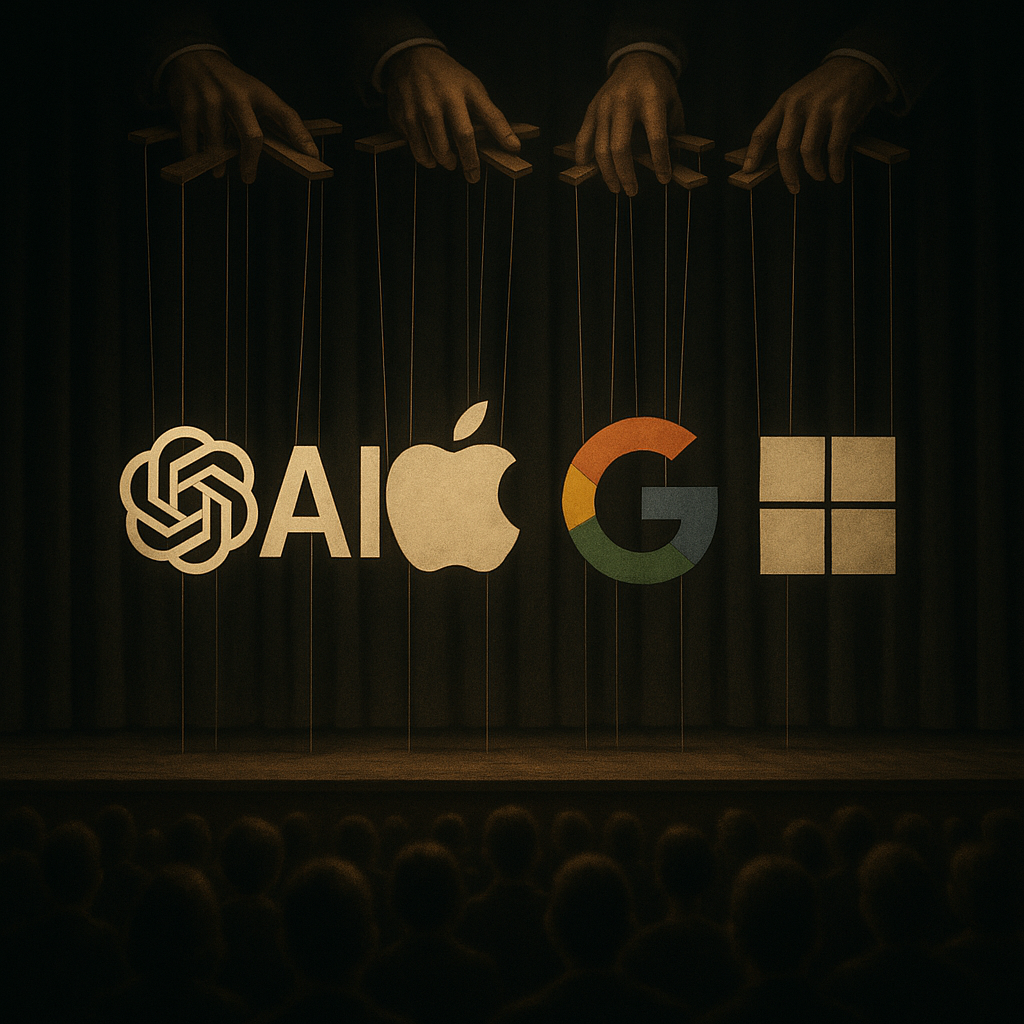
The Mirage of AI Regulation
We hear it everywhere: “AI must be regulated to protect society.” But pause for a moment. Who truly benefits from these regulations that are being hastily drafted? Are they protecting us, or are they just a veil masking the status quo? When it comes to AI, regulation often looks more like political theater than genuine oversight.
Big Tech’s Grip on the Rulebook
It’s no secret that the major players in the AI industry — the giants like OpenAI, Google DeepMind, and Anthropic — wield outsized influence. They have the resources to lobby, shape narratives, and even draft the very standards that govern their innovations. This power imbalance means that regulations often serve to entrench their dominance rather than promote competition or ethical development.
Why Transparency Is a Dead End
The myth of transparency in AI is comfortable but misleading. Promises that algorithms will be open and explainable often fall flat against the complexity of models and corporate secrecy. How can regulators enforce transparency when even specialists struggle to interpret deep learning models? This ambiguity becomes a convenient shield for companies to avoid accountability.
Ethics and the Profit Motive: A False Dichotomy?
Ethical AI sounds noble, but in a world driven by profit and shareholder value, ethics can be sidelined as a marketing gimmick. The rush to monetize AI, from automation of jobs to data exploitation, clashes head-on with any meaningful ethical standards.
The Real Risks That Are Ignored
While governments debate vague frameworks and token audits, issues like AI-driven mass manipulation, deepfake misinformation, and algorithmic bias worsen unchecked. The current regulatory efforts barely scratch the surface of these societal threats.
What Should True AI Regulation Look Like?
- Independent Oversight: Regulation cannot be crafted or enforced by the companies that stand to profit the most.
- Technical Literacy Among Policymakers: Without a deep understanding of AI technology, laws will always lag behind innovations.
- Focus on Societal Impact: Prioritize human rights, privacy, and equitable access over corporate interests.
- Transparency with Teeth: Make explainability and auditing mandatory, with real consequences for obfuscation.
- International Cooperation: AI doesn’t respect borders; neither can regulation.
Conclusion: Wake Up From the Illusion
Regulating AI is a daunting challenge, no doubt. But what we currently witness is a race to appear proactive without addressing the core issues. The public deserves more than a political performance — it deserves real, enforceable safeguards before the technology shapes society beyond repair. Are we ready to face that uncomfortable truth?

Related Articles
 Why OpenAI’s Struggle for Trust Is the Real AI Challenge Ahead
 Adobe, Qualcomm, and Humain Collaborate to Advance AI Solutions for Arabic Content and the Middle East
 Sam Altman’s OpenAI: Navigating the Tension Between Mission and Market Power
 Why AI Power Is Concentrating: The Rise of Nvidia and the Future of Artificial Intelligence Control