
OpenAI mission versus business model is at the center of this update. OpenAI’s trajectory from an idealistic AI research lab to a revenue-generating partner embedded within Microsoft’s enterprise ecosystem captures one of the most consequential tensions in the AI race: the struggle to balance a mission focused on safe, broadly beneficial AI with the imperatives of business and market control.
Initially founded to develop artificial general intelligence (AGI) transparently and safely for all humanity, OpenAI’s transformation into a capped-profit organization, fueled by massive investments, especially from Microsoft, marks a pivot towards commercial priorities. This change is emblematic in the breakout success of ChatGPT, which brought AI into global mainstream use, but also sparked concerns about data privacy, model risks, and the concentration of AI power within a few corporate entities.
While OpenAI’s commercial success has accelerated AI deployment, it inherently creates incentives that may compromise openness and caution in favor of competitive advantage and rapid productization. This commercial dynamic is not unique to OpenAI but is particularly salient given its original mission and market prominence.
Competitors like Anthropic explicitly build their brand around safety and transparency, attempting to carve out a trust-based niche in direct contrast to OpenAI’s model. Google DeepMind’s focus on research-driven, longer-term AI development further contrasts with OpenAI’s rapid productization. At the same time, Nvidia’s near-monopoly on AI chips and infrastructure amplifies the influence of these corporate strategies by controlling critical resources.
Critics might argue that OpenAI’s partnership with Microsoft and its capped-profit model allow it to secure the expensive compute and distribution needed to democratize AI access and fund ongoing research. The hybrid approach aims to marry mission with market incentives and maintain some degree of transparency and safety advocacy. Yet, the question remains whether this balance can be maintained as AI capabilities grow exponentially, and commercial pressures intensify.
This dynamic is shaping the broader AI race, in which control over platforms, infrastructure, and trust becomes as important as raw technological breakthroughs. OpenAI’s evolution sets a precedent, forcing other players to clarify how they will reconcile innovation, ethical responsibility, and profitability.
Ultimately, OpenAI’s biggest challenge—and one that the entire AI industry must confront—is maintaining public trust and ethical stewardship in the face of powerful commercial forces. How successfully it navigates this tension will influence not just its own credibility but the future trajectory of AI and its impact on society.
Related coverage: AI Chronicle analysis and updates.
Sources consulted
Why it matters
This update influences the AI race across model providers, infrastructure leaders, and enterprise adoption decisions.

Related Articles
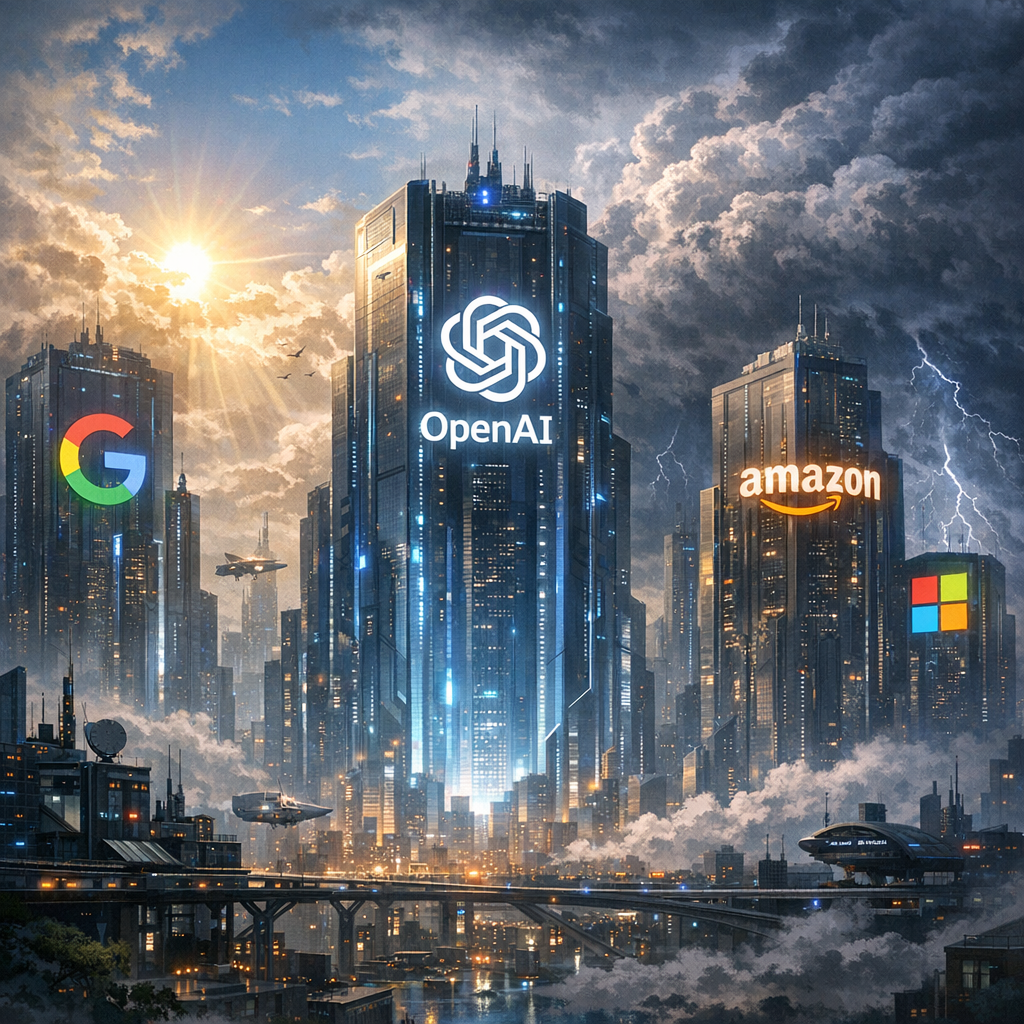 The Real Challenge Behind OpenAI’s Rise: Trust in an Era of AI Power Concentration
 Why OpenAI’s Quest for Trust Is the Real Challenge Behind Its AI Revolution
 Why NVIDIA’s Jensen Huang Holds the Real Power in the AI Industry
 The Real Threat Behind AI: How Automation Is Quietly Killing Creativity and Jobs