What happened
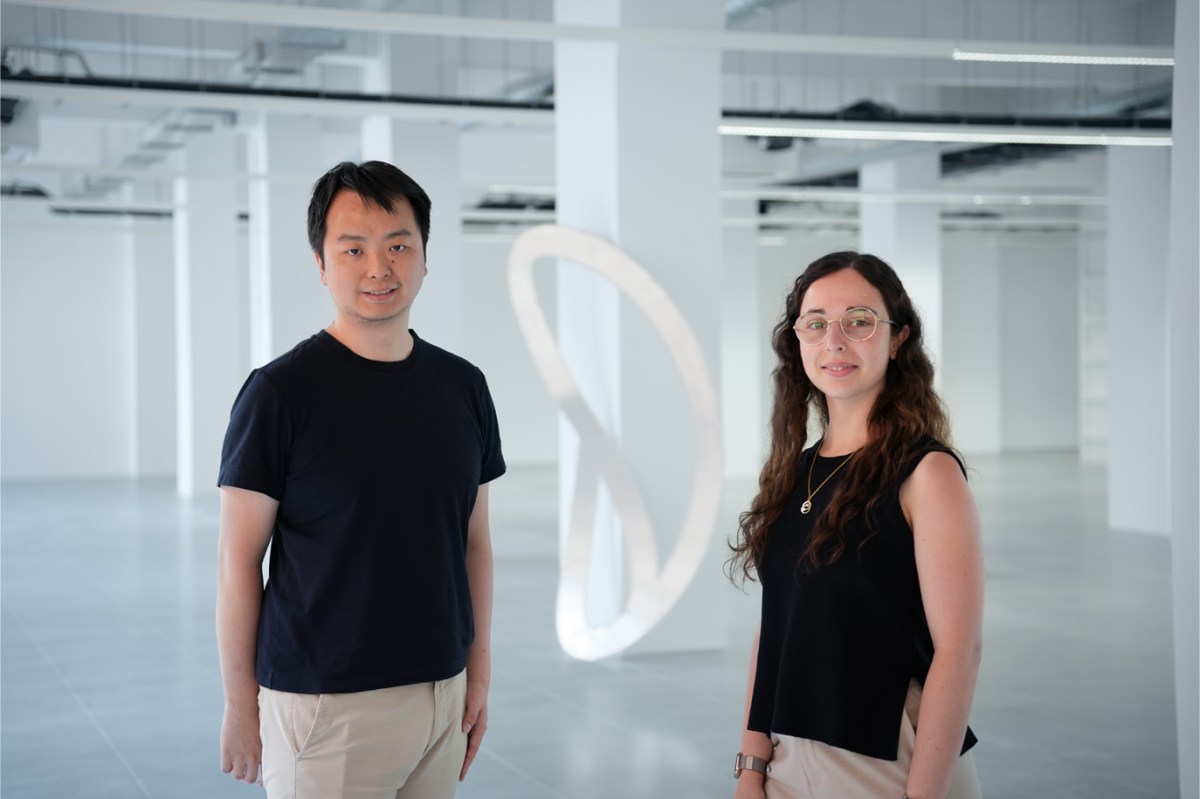
Theker reconfigurable factory robots is at the center of this update. Theker has secured $85 million to develop adaptable factory robots that can be reconfigured for multiple tasks, diverging from fixed-form humanoid models.
Theker Raises $85M to Pioneer Reconfigurable Factory Robots
Theker, a robotics startup, has secured $85 million in funding to develop factory robots that break from the traditional humanoid design paradigm. Unlike companies such as Boston Dynamics, whose robots are built around fixed, human-like forms, Theker’s machines are designed to be reconfigured for multiple tasks across manufacturing environments.
What Happened
Theker announced its latest funding round aimed at accelerating the development of modular robots capable of adapting to varied industrial functions. This approach addresses the rigidity of specialized robots that require distinct hardware for each task, potentially lowering costs and improving operational flexibility for factories.
Why It Matters
This innovation is significant as the AI race increasingly includes the physical world of robotics. While software AI giants like OpenAI and Anthropic focus on language models and safety, Theker’s reconfigurable robots represent a new frontier in applying AI to adaptable hardware solutions. Such flexibility could be a game changer in factory automation, enabling faster retooling and reducing the need for multiple dedicated robots.
Context
Robotics in manufacturing has often revolved around specialized machines or humanoid robots like Tesla’s Optimus. Theker’s modular design contrasts with these by emphasizing reusability and adaptability. This development runs parallel to AI infrastructure advancements led by Nvidia and the AI software competition among OpenAI, Anthropic, and xAI, illustrating the broadening scope of the AI race into hardware and physical automation.
Expected Impact
Should Theker’s technology prove viable, it could reshape manufacturing automation economics by reducing capital investment and increasing production flexibility. This would encourage broader adoption of AI-powered robotics and influence future AI hardware strategies towards modular platforms.
What We Still Don’t Know
Key technical details about Theker’s robots remain undisclosed, including their reconfiguration mechanisms, integration with AI software, and competitive cost metrics. Market acceptance and deployment timelines are also uncertain at this stage.
Related coverage: AI Chronicle analysis and updates.
Sources consulted
- https://techcrunch.com/2026/06/11/theker-just-raised-85m-to-build-the-factory-robot-that-doesnt-specialize-in-anything/
- https://openai.com/news/
- https://www.anthropic.com/news
Why it matters
This update influences the AI race across model providers, infrastructure leaders, and enterprise adoption decisions.

Related Articles
 ZAYA1 AI Model Achieves Training Milestone Using AMD GPUs
 How Banks Are Elevating AI Leadership: Insights from Wells Fargo’s AI Innovation Chief
 AI Startup Mitti Labs Partners with The Nature Conservancy to Combat Climate Change in Indian Rice Farming
 PopWheels Expands E-Bike Battery Swapping Network Beyond Food Delivery