What happened
Apple Siri Google Gemini is at the center of this update. At WWDC 2026, Apple unveiled Siri AI rebuilt on Google’s Gemini models, marking a major strategic pivot but restricting availability to select regions and languages.
Apple’s Siri AI Debuts Powered by Google Gemini Models
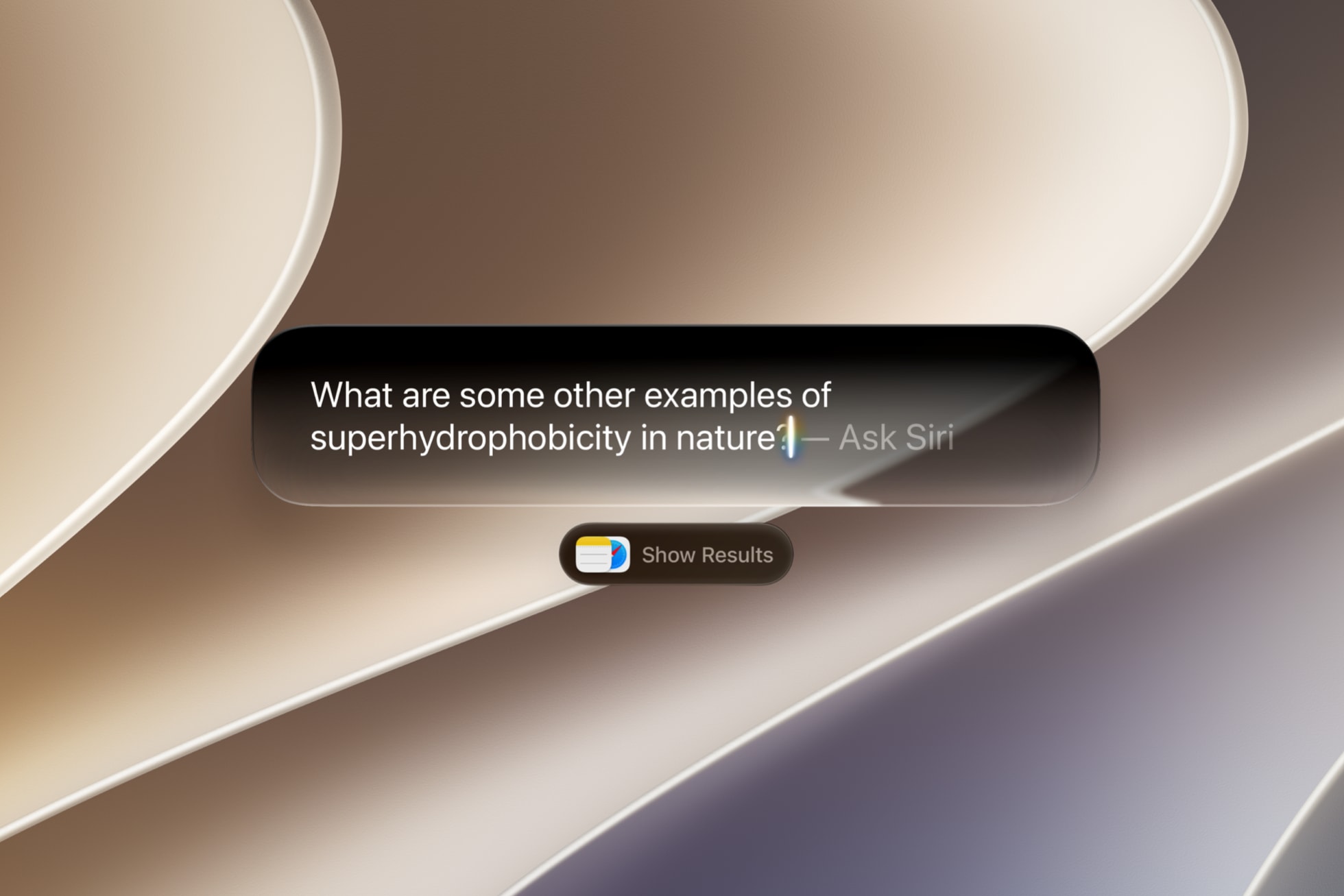
At WWDC 2026, Apple introduced a significantly revamped Siri AI assistant, rebuilt from the ground up and powered by Google’s Gemini family of AI models. This marks a notable departure from Apple’s previous efforts to develop its own foundation models and a major strategic partnership with its longtime rival, Google.
The new Siri AI supports multi-turn conversations, integrates deeply with user data such as mail, messages, and photos, and can handle live web queries. Apple has launched it as a dedicated app alongside system-wide integration, including real-time activity indicators on iPhones.
Strategic Partnership with Google
Apple publicly acknowledged the collaboration with Google DeepMind, revealing that the latest generation of Apple’s foundation models powering Siri AI are built atop Gemini technology. This admission ends years of speculation about Apple’s internal AI progress and signals that despite its vast resources and chip advantages, Apple was unable to close the AI capability gap alone within its desired timeline.
Apple emphasized privacy as a core principle, with senior VP Craig Federighi assuring that data is only used to fulfill user requests and can be independently audited. Nonetheless, this reliance on Google’s AI models raises questions about competitive dynamics and data governance between two of the industry’s largest players.
Limited Global Rollout and Language Support
The initial Siri AI beta, launching later in 2026, will support English only. Notably, China is excluded entirely due to unresolved regulatory requirements, and the European Union will see Siri AI only on macOS and visionOS devices at launch, not on iPhone or iPad. This means millions of users in major growth markets—speaking Mandarin, Japanese, Korean, Hindi, and other languages—will continue using legacy Siri for the foreseeable future.
This fragmented rollout contrasts with Apple’s past practice of simultaneous global launches and highlights the regulatory and geopolitical challenges of deploying advanced AI technology internationally.
Leadership Transition and Future Prospects
WWDC 2026 also marked the final keynote for Tim Cook as CEO, with John Ternus set to take over in September. Ternus inherits an AI assistant powered by a rival’s technology and a rollout plan that leaves large markets waiting. While the demos showed promise, Apple’s catching up in AI has only just begun.
The partnership with Google may accelerate Siri’s capabilities, but it also underscores the escalating complexity and cost of developing cutting-edge AI models, affecting not only Apple but also governments and companies aiming for sovereign AI independence.
Related coverage: AI Chronicle analysis and updates.
Sources consulted
- https://www.artificialintelligence-news.com/news/siri-ai-google-gemini-rollout/
- https://blog.google/technology/ai/
- https://www.apple.com/newsroom/
Why it matters
This update influences the AI race across model providers, infrastructure leaders, and enterprise adoption decisions.

 Mill’s Innovative AI-Driven Solution Secures Partnership with Amazon and Whole Foods
 Top 7 High-Paying AI and Machine Learning Careers to Watch in 2026
 Ollama Launches Local AI Image Generation for macOS Users
 Paris-Based Mistral Unveils Mistral 3: A New Milestone in Open-Source Multimodal AI Models