
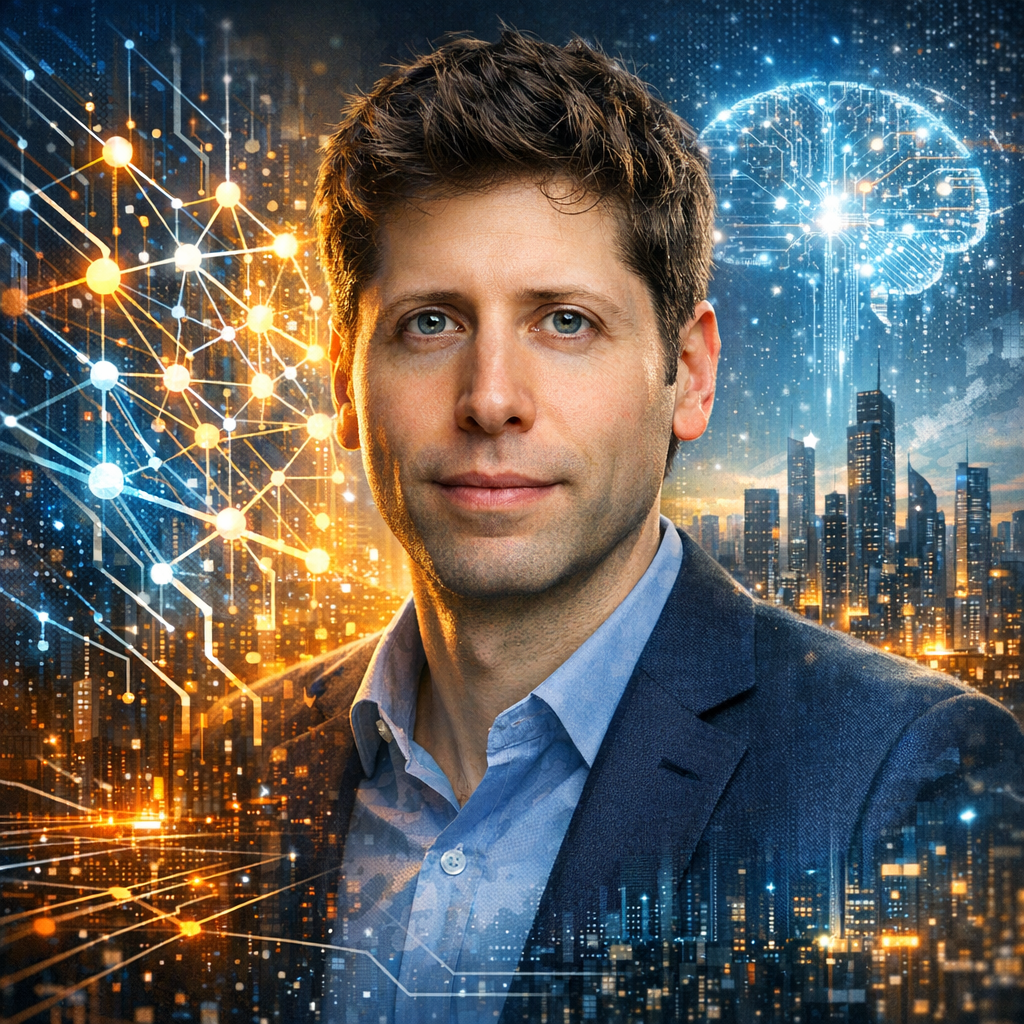
Sam Altman and the Paradox of OpenAI’s Power and Trust Deficit
OpenAI trust power is at the center of this update. Sam Altman has undeniably transformed OpenAI from a niche research lab into the AI industry’s most influential player. By leveraging strategic partnerships, notably with Microsoft, and aggressively scaling products like ChatGPT, Altman has positioned OpenAI at the epicenter of the AI revolution. However, this exceptional rise has also exposed a critical challenge that too few are willing to confront: a widening trust deficit that risks eroding OpenAI’s legitimacy and influence.
OpenAI’s power stems from a unique combination of factors—access to vast compute resources, a top-tier talent pool, and a platform that reaches millions of users daily. This concentration of AI capability is unprecedented and, in many ways, necessary to achieve breakthroughs that smaller or less-funded entities cannot match. But power without balanced governance breeds skepticism.
Transparency around OpenAI’s decision-making, safety protocols, and business priorities remains limited. The company’s dual mission—advancing AI for public good while generating profit—creates inherent conflicts that fuel doubts about its true objectives. Moreover, OpenAI’s outsized role in shaping AI policy and public discourse raises valid concerns about monopolistic influence and lack of accountability.
Yet, the counterargument is compelling. OpenAI’s rapid innovation pace and openness to regulatory engagement set a new standard in the field. The Microsoft partnership provides critical infrastructure that underpins AI scalability and safety research. Altman’s frankness in interviews and the release of safety benchmarks indicate a willingness to be more transparent than many competitors.
What this means for the AI race is profound. The ongoing tension around trust versus power will influence global AI leadership and cooperation. OpenAI’s ability to bridge this gap may define whether it remains the trusted steward of AI’s future or becomes a contested figurehead amid fracturing industry standards and geopolitical divides. Competitors like Anthropic, Google DeepMind, and xAI are positioning themselves around the very governance and safety values that OpenAI struggles with, suggesting the AI race is as much a contest of ethics and trust as it is of technology.
In conclusion, Sam Altman and OpenAI embody a critical dilemma confronting the AI ecosystem. Dominance in AI innovation is no longer sufficient; trust and accountability are equally essential to sustain leadership. The company’s future, and perhaps the trajectory of artificial intelligence itself, depend on how effectively it reconciles this paradox.
Related coverage: AI Chronicle analysis and updates.
Sources consulted
Why it matters
This update influences the AI race across model providers, infrastructure leaders, and enterprise adoption decisions.

 Why Sam Altman’s Leadership Defines the New Power Dynamics in AI
 Why NVIDIA’s AI Monopoly Threatens Innovation and Global Power Balance
 Why OpenAI’s Business Model Threatens Its Mission and Our Trust in AI
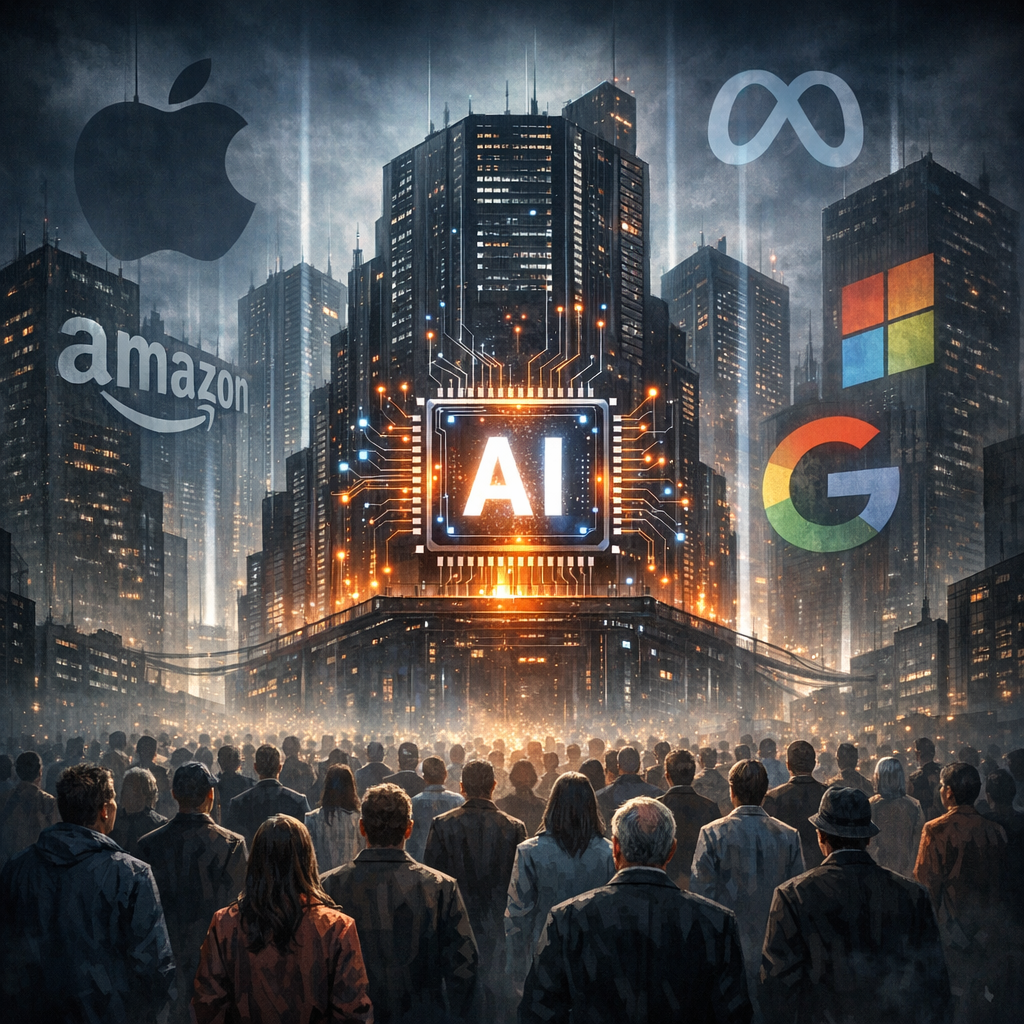 Why AI Power Concentration Threatens Innovation and Democracy (2026)

