OpenAI versus Anthropic 10330 is at the center of this update. Note: This article is editorial analysis based on a source that focuses on open AI security infrastructure, not a direct OpenAI or Anthropic announcement. It is not investment advice.
OpenAI’s scale meets Anthropic’s safety pitch
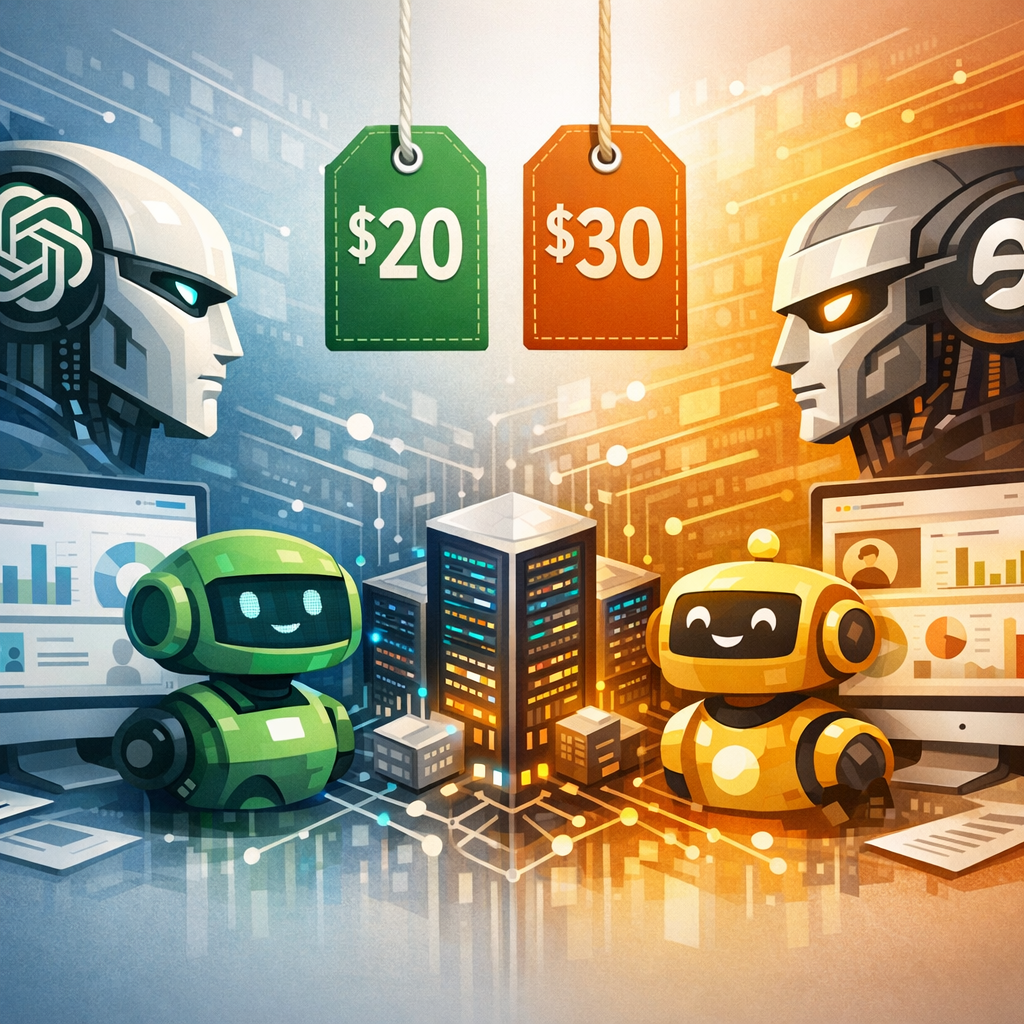
OpenAI and ChatGPT still define the consumer face of the AI race, but Anthropic’s Claude strategy keeps forcing a different question: should the market reward speed and scale, or trust and control?
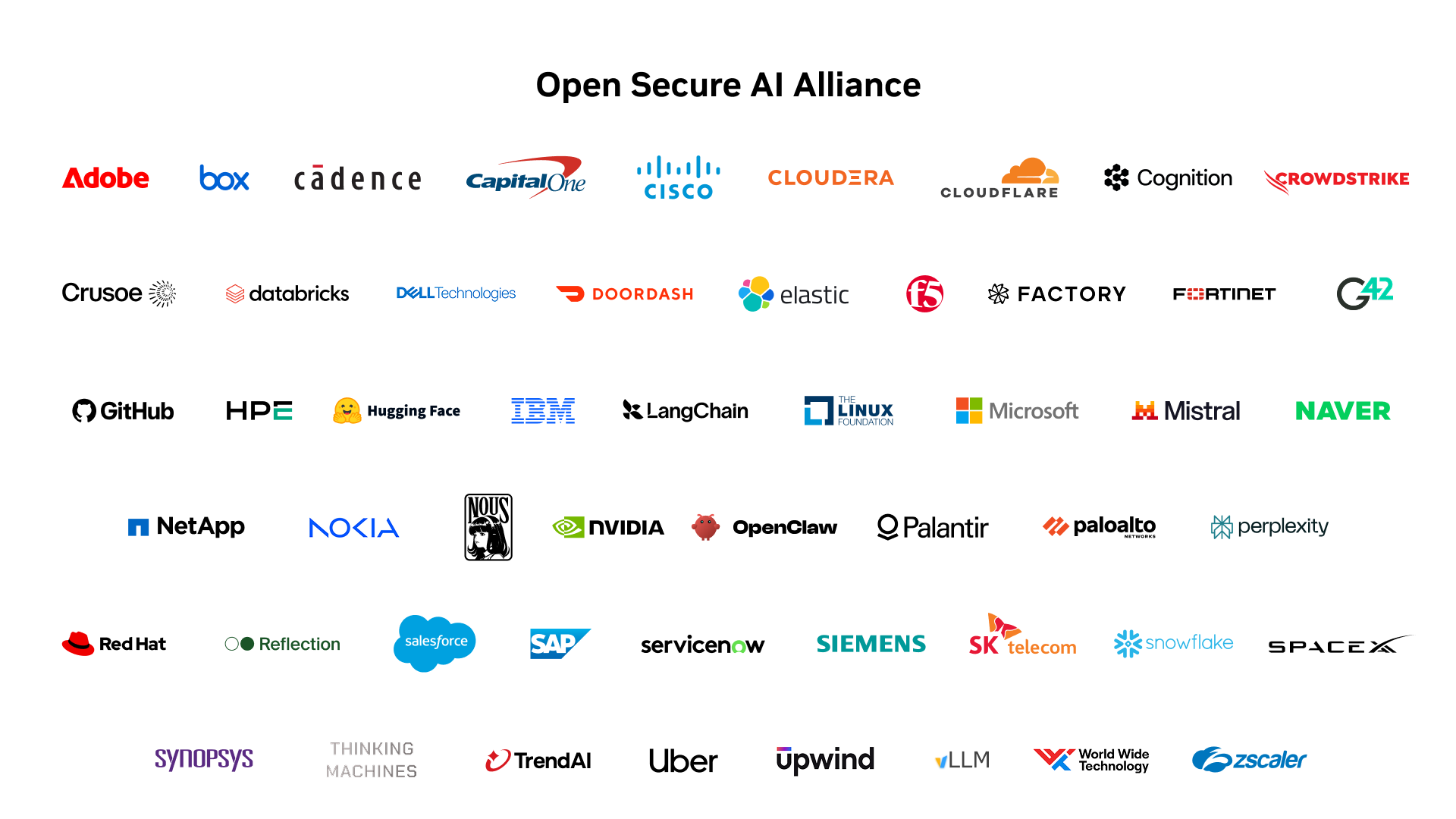
The source behind this brief is not about a new OpenAI product or a fresh Anthropic launch. Instead, it describes NVIDIA’s push to build an Open Secure AI Alliance around open models, open harnesses and security tooling. That matters because the same trust debate now sits at the center of the OpenAI-versus-Anthropic rivalry.
Why NVIDIA’s alliance matters to the ChatGPT-Claude contest
NVIDIA’s post argues that defenders need systems they can inspect, adapt and run on their own infrastructure. It cites the Hugging Face security incident as a case where open-weight tools were useful for forensic analysis when closed tools fell short.
That is an argument with direct implications for AI vendors. OpenAI’s ChatGPT franchise has won on reach and product velocity. Anthropic has leaned harder into safety, reliability and enterprise confidence around Claude. If security teams increasingly care about auditability and control, the market may start valuing those traits more explicitly.
The strategic split: product breadth versus controllable systems
The rivalry is not just about which model answers better. It is about which company can become the default layer for work.
OpenAI’s advantage has been broad consumer awareness and a fast-moving product stack. Anthropic’s opening is to present Claude as the more cautious, enterprise-friendly choice. The NVIDIA alliance reinforces a third axis in the battle: whether buyers want closed AI services, open defensive tooling, or a mix of both.
For developers and security teams, that split could shape everything from model selection to where workloads run. For vendors, it could determine who owns the workflow, not just the chatbot.
What to watch as the open-security argument spreads
The biggest question is whether the alliance becomes a practical standard or just a well-phrased industry statement. The source names many partners, but it does not show how widely the tools will be adopted or whether they will influence procurement decisions at scale.
For OpenAI and Anthropic, the watch item is clearer: can either company turn trust into a durable moat? If enterprises decide that transparency and controllability matter as much as raw capability, the ChatGPT-versus-Claude rivalry could shift from a product race to an infrastructure race.
That is the real tension revealed by this source: the AI market is no longer only deciding which model is smartest. It is deciding which systems are safe enough, open enough and controllable enough to run critical work.
Sources consulted
NVIDIA blog post announcing the Open Secure AI Alliance; Linux Foundation and OpenSSF references cited in the source; Hugging Face incident reference cited in the source.
Related coverage: AI Chronicle analysis and updates.
Sources and further reading
- http://Linux%20Foundation%20blog%20and%20press%20references%20cited%20in%20the%20source
- https://openai.com/news/
- https://www.anthropic.com/news

Related Articles
 Converge Bio Secures $25M to Advance AI-Driven Drug Discovery with Support from Industry Leaders
 Google Trials Remy AI Agent for Gemini with Emphasis on User Control
 EU Releases AI Content Labelling Code Ahead of AI Act Enforcement
 Blockchain Forum 2026: Moscow to Host Major Crypto and Web3 Event in April