What happened
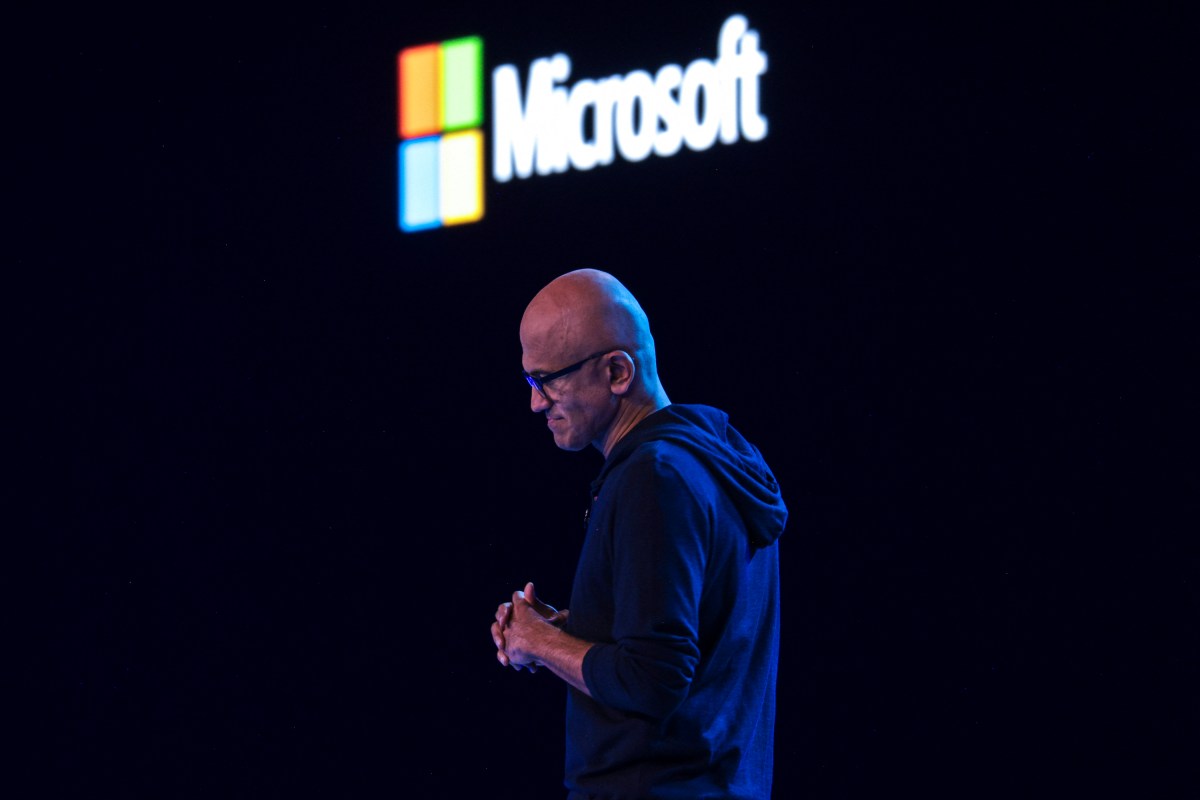
Microsoft data center growth sustainability is at the center of this update. Microsoft is aggressively expanding its data centers to support the surging demand for AI and cloud services, particularly those connected to OpenAI’s ChatGPT. This expansion is creating challenges in sustaining the company’s environmental goals, as AI workloads require significant energy consumption.
Why it matters
The clash between rapid AI infrastructure growth and sustainability efforts underscores a key industry-wide dilemma. As leading tech companies race to develop and deploy increasingly powerful AI models, they must also address the carbon footprint and energy demands of their data centers. Microsoft’s ability to manage this balance will impact its leadership in AI and its reputation for corporate responsibility.
Context
Microsoft’s AI ambitions are intertwined with OpenAI, a pioneer in large language models like ChatGPT. The computational needs of these models rely heavily on hardware from Nvidia, driving up data center energy use. While Microsoft has made commitments to carbon neutrality, the breakneck growth in AI workloads is testing those promises amid global scrutiny on climate change.
Expected impact
To stay competitive while honoring sustainability commitments, Microsoft is likely to invest further in renewable energy and energy-efficient data center technologies. Its approach could influence broader industry practices in managing the environmental impact of AI infrastructure.
What we still do not know
It remains unclear how exactly Microsoft plans to mitigate the environmental impact of its AI-related data center expansion and how these challenges might affect its future AI deployments and partnerships.
Related coverage: AI Chronicle analysis and updates.
Sources consulted
- https://techcrunch.com/2025/06/02/breakneck-data-center-growth-challenges-microsofts-sustainability-goals/
- https://openai.com/news/
- https://nvidianews.nvidia.com/

Related Articles
 Microsoft’s Rapid Data Center Expansion Poses Challenges to Sustainability Ambitions
 Disconnected Clouds Enhance AI Data Governance Amid Regulatory Challenges
 CraftStory Launches Advanced AI Video Generation Technology to Challenge OpenAI and Google
 OpenAI Acknowledges Persistent Security Risks in AI Browsers Amid Enhanced Cybersecurity Measures