What happened
computer vision retail productivity is at the center of this update. Computer vision deployments are transforming retail operations by automating shelf tracking, significantly reducing costly in-store execution failures and boosting productivity.
Computer Vision Deployments Transform Retail Productivity
Retailers are increasingly turning to computer vision technology to automate physical shelf tracking as a strategic response to margin erosion caused by operational inefficiencies. A recent study by Coresight Research, in partnership with Simbe Robotics and RELEX Solutions, quantifies how in-store execution failures—such as empty shelves and inaccurate pricing—consume an estimated 6.4% of gross sales, translating to $196.4 billion in projected losses by 2026.
What Happened
Computer vision hardware deployments enable real-time visibility into shelf inventory and pricing accuracy, addressing long-standing challenges in retail execution. Notable implementations include BJ’s Wholesale Club, which leveraged Simbe’s robotics platforms to create digital twins of warehouse clubs, improving picking efficiency by 40% year-over-year. Grocery chain Albertsons aims to achieve $1.5 billion in productivity gains over three years by equipping merchants with AI insights for pricing, promotions, and assortment optimization.
Why It Matters
Operational inefficiencies directly erode retail margins, with nearly 90% of retailers reporting margin loss exceeding 5%. Computer vision-driven automation establishes the essential data foundation for downstream AI applications like pricing optimization and inventory forecasting. Proper sequencing—prioritizing shelf digitization before pricing software—is critical to avoid data inaccuracies and mispricing, which have increased by 4 percentage points since 2024.
Context
The retail industry is undergoing a digital transformation fueled by AI and automation. Traditional manual inventory management is inefficient and prone to error, making AI-powered store intelligence platforms a compelling solution. While 60% of enterprise retailers have fully deployed such platforms, mid-market companies lag behind, with only 42% achieving similar maturity. This gap risks widening competitive disparities.
Expected Impact
Adoption of computer vision and AI in retail operations is expected to yield significant productivity gains, reduce labor costs, and improve customer satisfaction. Retailers report a 14% average reduction in manual store task time and an 11% increase in customer lifetime value following AI integration. These technologies also open pathways to new revenue streams such as retail media networks, reshaping retail economics.
What We Still Do Not Know
Further analysis is needed to understand how these technologies will scale globally across diverse retail formats and geographies. The long-term impact on consumer behavior, loyalty, and labor markets remains to be fully evaluated. Additionally, challenges around integrating multiple AI systems and ensuring data interoperability require further investigation.
Related coverage: AI Chronicle analysis and updates.
Sources consulted
- https://www.artificialintelligence-news.com/news/computer-vision-deployments-drive-retail-productivity-gains/
- https://www.reuters.com/technology/artificial-intelligence/
- https://www.theverge.com/ai-artificial-intelligence
Why it matters
This update influences the AI race across model providers, infrastructure leaders, and enterprise adoption decisions.

Related Articles
 OpenAI Enhances ChatGPT Shopping Experience but Steps Back from Checkout Integration
 Anthropic Study Reveals Leading AI Models Exploit Millions in Simulated Smart Contract Attacks
 Anthropic Expands Into Biotech with $400 Million Acquisition of Coefficient Bio
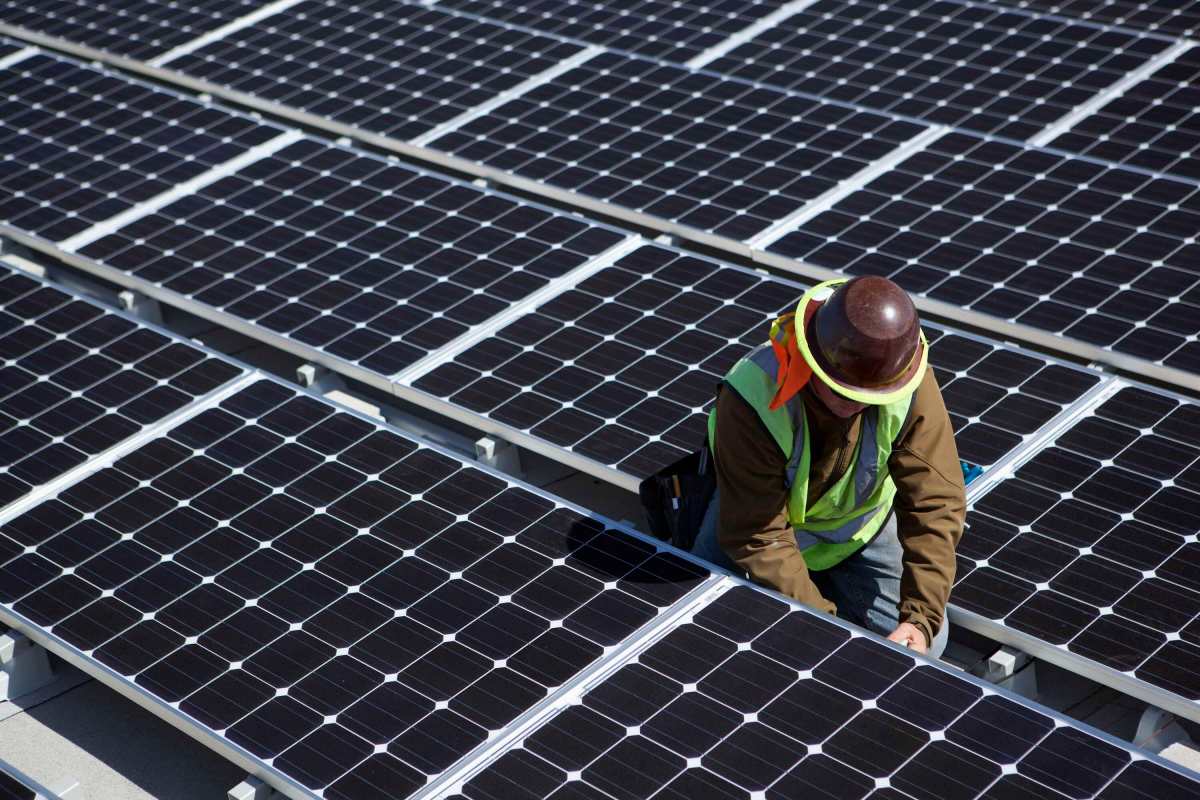 Meta Expands Solar Power Capacity by 100MW for New AI Data Center in South Carolina