What Happened
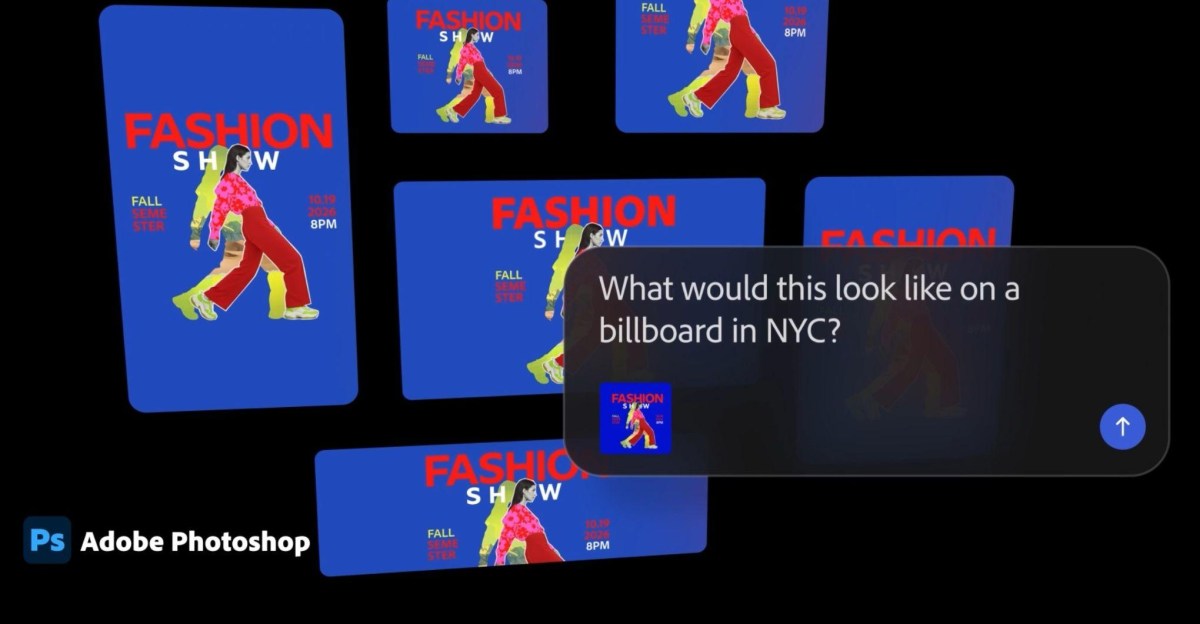
Adobe assistants Creative Cloud is at the center of this update. Adobe has launched AI assistants embedded within its leading Creative Cloud applications, including Photoshop, Premiere, Illustrator, InDesign, and Frame.io. These assistants are powered by Adobe’s own conversational creative agent and are designed to function as specialized helpers tailored to the unique workflows of each app. The rollout began with a public beta, enabling users to leverage AI to organize projects and automate specific creative tasks.
Why It Matters
This development marks a significant step in integrating conversational AI directly into professional creative software. By embedding AI assistants that understand the nuances of each application, Adobe is aiming to enhance productivity and make complex creative processes more accessible. This could lower the barrier for new users while offering experienced creatives powerful AI-driven tools to streamline their work.
Context
In the current AI landscape, many companies focus on creating general-purpose AI assistants that span multiple applications and domains, such as Microsoft’s Copilot or OpenAI’s ChatGPT integrations. Adobe’s approach to build app-specific AI agents reflects a strategic pivot towards specialized AI functionality that understands the distinct requirements of creative workflows. This is a notable contrast to broader AI integration models and could influence how competitors develop their AI strategies.
Expected Impact
The AI assistants are expected to transform creative workflows by automating routine tasks and providing conversational support tailored to each application’s capabilities. This could speed up project completion times, enhance creative experimentation, and set new standards for AI-driven design and editing software. The move may also intensify competition among major AI players in the creative software market.
What We Still Do Not Know
Key questions remain around the technical specifications of the AI assistants, including the models used, the extent of their integration with Adobe’s existing AI tools like Firefly, data privacy considerations, and their potential interoperability with other AI ecosystems. Additionally, how Adobe plans to commercialize these assistants and scale them beyond beta testing is yet to be disclosed.
Related coverage: AI Chronicle analysis and updates.
Sources consulted
- https://www.theverge.com/tech/952099/adobe-ai-assistants-photoshop-premiere-illustrator-beta-launch
- https://openai.com/news/
- https://blogs.microsoft.com/

Related Articles
 Exito Media Concepts Announces 33rd Global BFSI IT Summit Australia 2026 Highlighting AI-Driven Transformation
 Newsweek Reinvents Itself to Thrive in the AI-Driven Information Era
 Leveraging the clinician’s expertise with agentic AI
 OpenAI Introduces Codex App for macOS to Manage Multiple AI Agents Simultaneously