
Hardware Firms Face Difficulties in a Changing Tech Environment
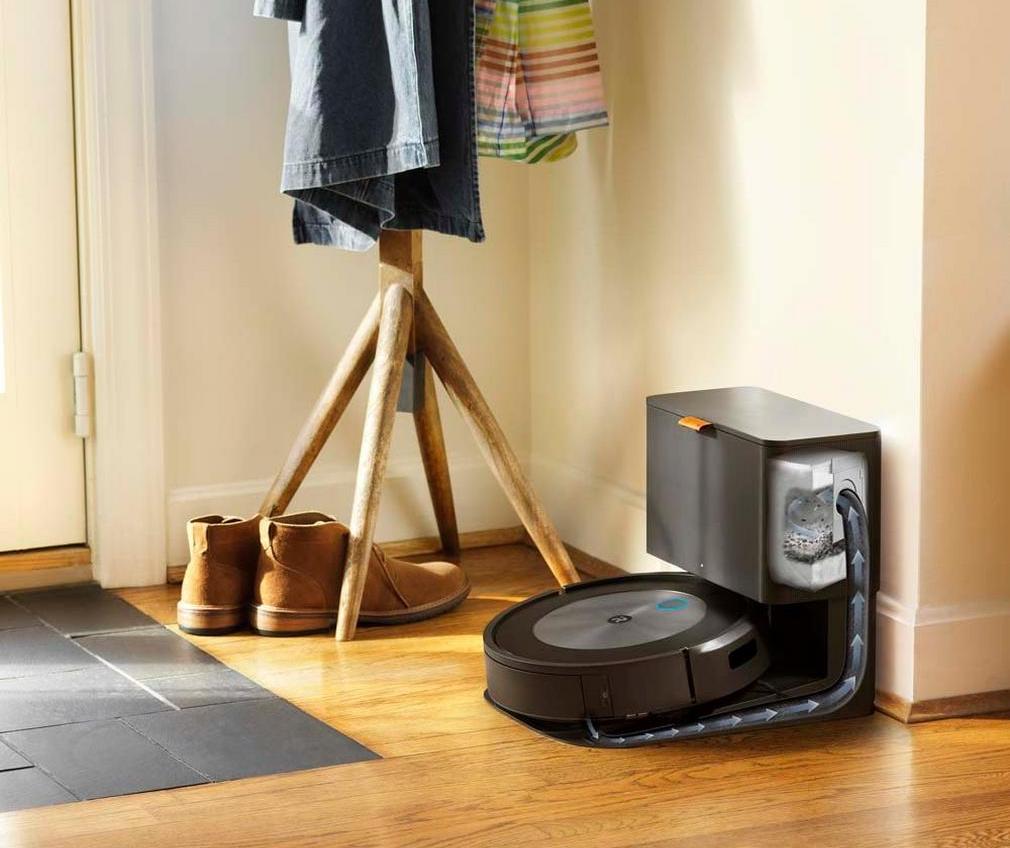
This week proved challenging for hardware companies such as iRobot, Luminar, and Rad Power Bikes. While operating in very different sectors—home robotics, automotive sensors, and electric bikes respectively—these companies are grappling with similar pressures linked to the rapid evolution of artificial intelligence and its impact on hardware markets.
Industry Context
The integration of AI technologies is fundamentally transforming how hardware products are developed, marketed, and used. Companies must adapt quickly to maintain competitiveness, as AI-driven innovations reshape consumer expectations and operational efficiencies.
Specific Challenges
- Market Volatility: Fluctuations in demand and supply chain disruptions are impacting production timelines and costs.
- Technological Integration: Incorporating advanced AI capabilities requires substantial investment in research and development, as well as in new talent acquisition.
- Competitive Pressure: Rapid advancements from tech giants and startups alike increase the competitive stakes, pushing hardware companies to innovate faster.
Implications for the Future
The difficulties faced by these companies highlight broader themes in the AI and hardware sectors, including the urgency of adapting to AI-driven market dynamics and the need to reimagine product design and functionality. These trends underscore a critical transitional period where traditional hardware firms must evolve or risk obsolescence.
As AI continues to influence everyday life and workplace productivity, the experiences of iRobot, Luminar, and Rad Power Bikes serve as a case study for the challenges and opportunities presented by this technological revolution.

Related Articles
 Agentic AI Set to Transform Healthcare Marketing, Driving $450 Billion in Value by 2028
 DBS Bank Pilots AI-Powered System to Automate Customer Payments
 How to Use ChatGPT’s New App Integrations with Spotify, DoorDash, Uber, and More
 Converge Bio Secures $25M to Advance AI-Driven Drug Discovery with Support from Industry Leaders



