
What happened
Nvidia H200 Chip Shipments China is at the center of this update. Despite President Trump's 2025 authorization and a high-profile summit with Chinese President Xi Jinping, Nvidia's H200 AI chips have yet to be delivered to China due to conflicting US and Chinese regulations and strategic government policies.
Nvidia H200 Shipments to China Remain Frozen After Trump-Xi Summit
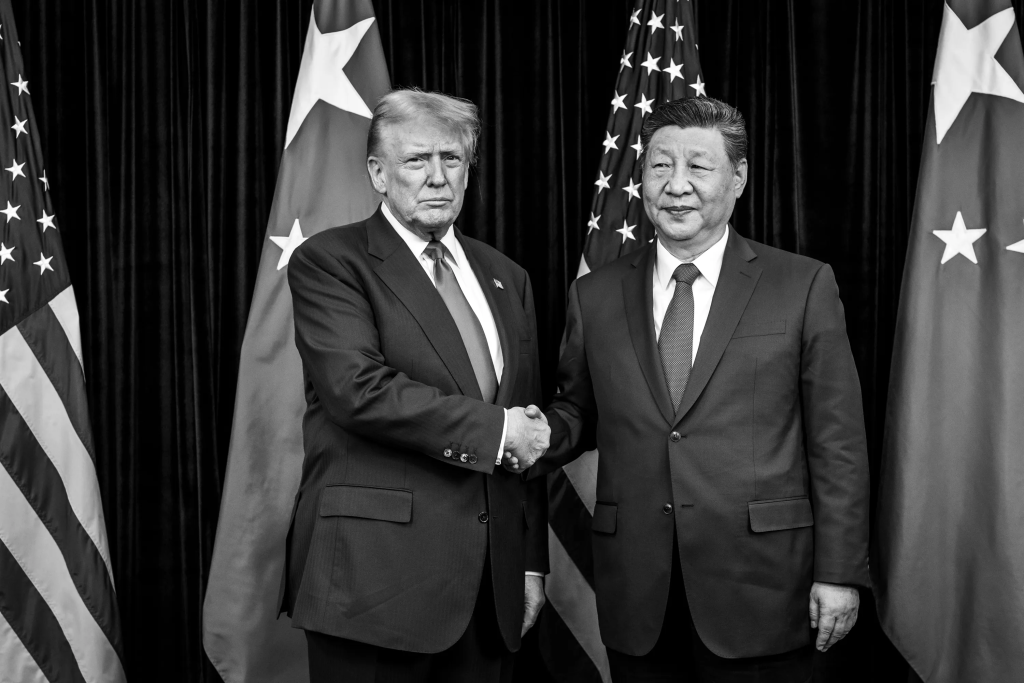
In December 2025, then-President Donald Trump authorized the export of Nvidia’s advanced H200 AI chips to China, a move that sparked anticipation for renewed technology trade between the US and China. Trump later visited Beijing in 2026, accompanied unexpectedly by Nvidia CEO Jensen Huang, fueling speculation about progress on chip exports. However, no shipments of the H200 have occurred since, revealing a complex stalemate beneath the surface of diplomatic optimism.
US Authorization Meets Chinese Restrictions
While the US government has granted export licenses to approximately 10 major Chinese technology firms—including Alibaba, Tencent, ByteDance, and JD.com—for up to 75,000 H200 units each, these chips remain undelivered. Approved distributors like Lenovo and Foxconn are authorized to facilitate shipments, but Chinese authorities have prevented domestic companies from taking delivery.
The core of this deadlock lies in contradictory regulations: US export controls mandate that the H200 chips sold to Chinese companies be used exclusively within China, whereas Beijing has directed these firms to deploy Nvidia chips solely in overseas operations to bolster domestic semiconductor manufacturing. This divergence means chips cleared for export cannot legally be used as Beijing requires, and vice versa.
Strategic Policy Underlying the Deadlock
Commerce Secretary Howard Lutnick recently testified that Chinese companies are prioritizing investment in homegrown suppliers like Huawei. Simultaneously, China’s State Council has launched supply-chain security reviews aimed at reducing dependency on US semiconductors. These moves reflect a deliberate strategy rather than accidental policy conflict.
Huawei Gains Ground Amid Export Freeze
While diplomatic discussions lingered, Chinese AI development advanced independently. DeepSeek’s latest AI model has been optimized to run on Huawei processors, marking a significant shift as it became the first major Chinese frontier model trained on domestic chips rather than relying on inference alone. Executives from Tencent and Alibaba have also confirmed growth in Chinese GPU supply and mass production of proprietary GPUs, respectively.
This transition is reflected in Nvidia’s financials, with China revenue declining from over 20% pre-export controls to roughly 5% in recent quarters. Nvidia’s current quarterly guidance anticipates zero revenue from China, underscoring the commercial impact of the stalemate.
Implications for the AI Industry and Global Chip Race
The stalemate transcends bilateral trade optics, directly influencing the dominant AI hardware architecture in the world’s second-largest AI market. Beijing’s direction to prioritize Huawei’s Ascend chips over Nvidia’s H200 signals a structural bet that domestic technology can close the performance gap rapidly enough to make reliance on local infrastructure viable.
Industry observers note that this shift is less about technological superiority and more about government mandates shaping AI supply chains. The frozen Nvidia deal leaves space for Huawei to expand its footprint in Chinese AI computing.
Concluding Perspective
Despite President Trump’s statement that “something could happen” regarding chip exports, and confirmation from US Trade Representative Jamieson Greer that China holds sovereign control over its decisions, the status quo remains unchanged. The Nvidia H200 export deal is fully licensed and approved by the US but effectively stalled by Chinese domestic policy choices. This situation exemplifies the complexities at the intersection of geopolitics, technology trade, and AI industry competition.
(Image source: The White House)
Related Read: Can China’s chip stacking strategy really challenge Nvidia’s AI dominance?
Fonte: ver artigo original
Related coverage: AI Chronicle analysis and updates.
Why it matters
This update influences the AI race across model providers, infrastructure leaders, and enterprise adoption decisions.

Related Articles
 Yann LeCun Reveals LeJEPA: His Final Meta Initiative Before Starting a New AI Venture
 Riyadh Emerges as a Global Hub for Innovation and AI Leadership
 Is OpenAI’s ChatGPT Strategy Pulling Away From Anthropic’s Claude Playbook?
 Thailand Advances Manufacturing with Industry 4.0 and AI at the 32nd Manufacturing IT Summit


