The Paradox of OpenAI’s Influence and Trust
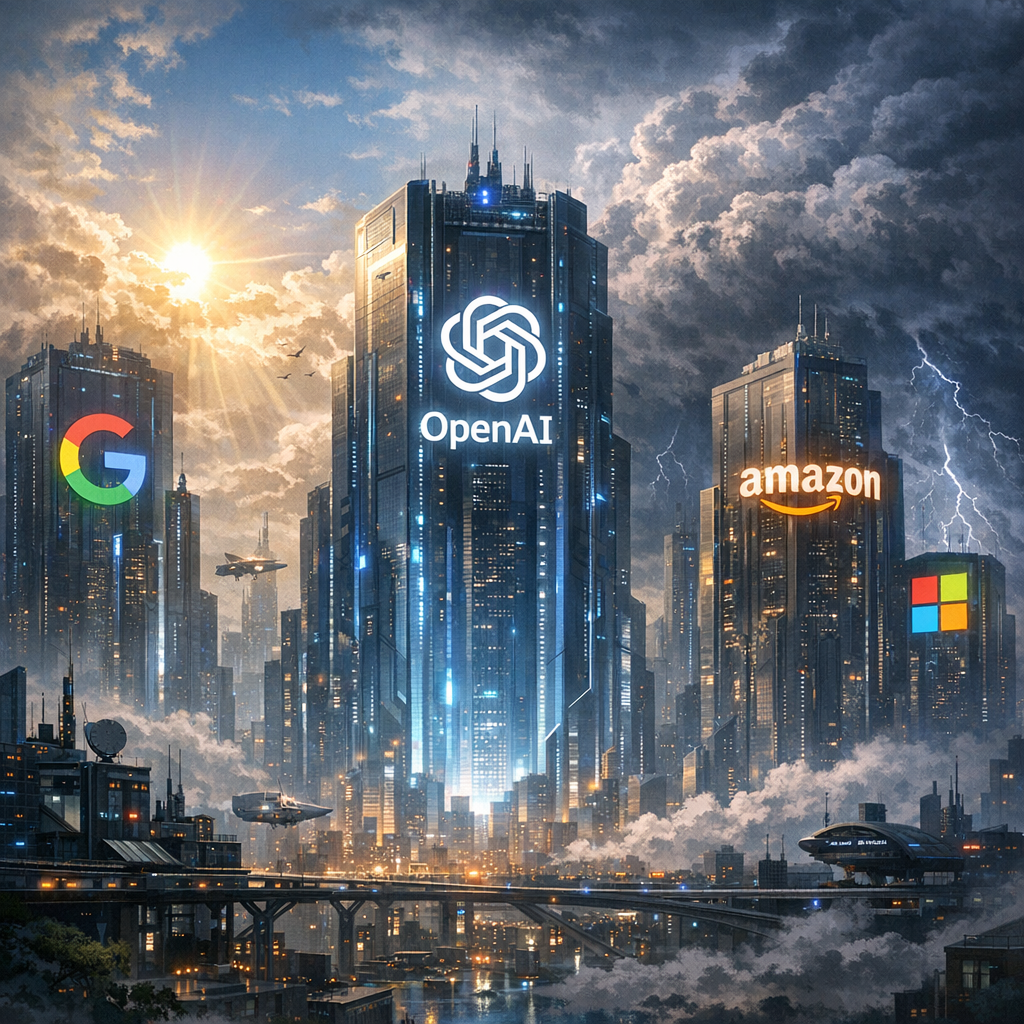
Why Trust OpenAI Biggest Challenge analysis is at the center of this update. OpenAI has swiftly transformed from an ambitious research lab into a dominant force shaping the future of artificial intelligence. Its partnership with Microsoft, groundbreaking products like ChatGPT, and ambitions toward AGI have positioned it at the heart of the AI race. But this rise is not without tension. The very business model and concentration of power that fuel OpenAI’s growth also challenge the public’s trust—arguably the most fragile currency in technology today.
From Mission-Driven Lab to Industry Powerhouse
OpenAI once presented itself as a nonprofit pioneer committed to developing AI for the global good. Today, it operates as a capped-profit entity with substantial corporate partnerships and heavy investments. This evolution raises uncomfortable questions: Is OpenAI still playing by the rules of safety and openness it once championed? Or has it become another Silicon Valley giant prioritizing market dominance?
The Double-Edged Sword of AI Power Concentration
Consolidation of AI capabilities within OpenAI and its allies amplifies their influence but also concentrates risks. When a single company controls critical AI platforms, algorithms, and data infrastructure, who holds it accountable? How transparent can it truly be without compromising competitive advantage? The trust deficit deepens as users and regulators grapple with these dynamics.
Trust Versus Transparency: The Ethical Dilemma
OpenAI’s efforts to promote AI safety and ethics often collide with its commercial incentives. Public-facing initiatives and safety branding risk being mere marketing if not backed by concrete accountability. True trust demands more than press releases—it requires measurable commitments, external audits, and openness to scrutiny, all of which can undermine proprietary advantage.
Why the Future of AI Depends on Resolving This Tension
As AI systems become more embedded in daily life, the stakes of trust soar. Societies must decide who governs the power behind AI and how to balance innovation with responsibility. OpenAI’s trajectory will likely define whether the AI industry heads toward monopolistic control or a more distributed, ethical ecosystem.
Conclusion: Facing the Hard Questions
Can OpenAI reconcile its founding ideals with the realities of business and influence? Will it lead the AI industry not just in technology but also in trustworthy governance? These questions are uncomfortable but unavoidable. The world watches—not just for breakthroughs but for proof that AI power can be wielded responsibly.
Related coverage: AI Chronicle analysis and updates.
Sources consulted
Why it matters
This update influences the AI race across model providers, infrastructure leaders, and enterprise adoption decisions.

Related Articles
 ChatGPT Fails to Detect 92% of Fake Videos Created by OpenAI’s Own Sora Tool
 OpenAI Poised to Receive Up to $60 Billion Investment from NVIDIA, Microsoft, and Amazon
 Multimodal AI Revolutionizes Complex Finance Workflow Automation
 Anthropic’s Rapid Revenue Growth Sparks Speculation of Trillion-Dollar Valuation