What happened
China Deploys Map Entire Renewable is at the center of this update. China has achieved a groundbreaking milestone by using AI to create a comprehensive, high-resolution map of its entire wind and solar power infrastructure, offering a strategic advantage in managing renewable energy amid surging electricity demand driven by AI growth.
China’s AI-Powered Renewable Energy Grid Mapping
As artificial intelligence (AI) technologies rapidly increase electricity consumption worldwide, energy grids are facing unprecedented challenges in accommodating this surge. In the United States, for instance, capacity market prices within PJM—the nation’s largest grid operator—have soared over tenfold in just two years, primarily due to expanding data centers. Similarly, European utilities are urgently upgrading infrastructure to meet the demands of large-scale data processing facilities.
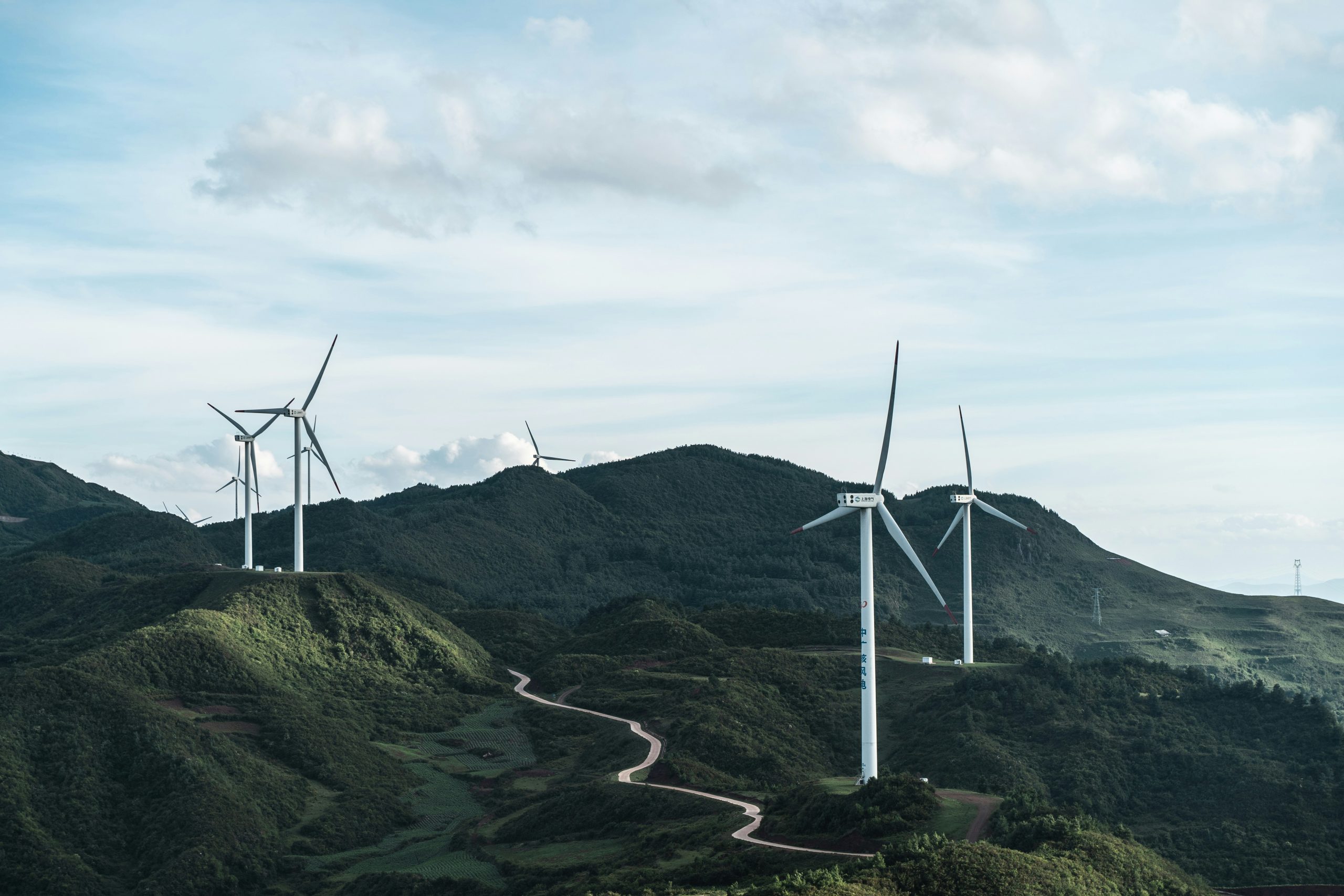
Amid this global challenge, China has pioneered a novel approach by leveraging AI to map its entire renewable energy grid at an unprecedented scale and resolution. A recent study published in Nature by researchers from Peking University and Alibaba Group’s DAMO Academy presents the first comprehensive, AI-generated inventory of a nation’s wind and solar installations. This includes 319,972 solar photovoltaic facilities and 91,609 wind turbines identified through analysis of 7.56 terabytes of sub-meter satellite imagery.
Advancing AI Energy Grid Coordination
Previous research on solar-wind complementarity—the concept that wind and solar power can offset each other’s variability through geographic and temporal diversity—largely relied on hypothetical models. This new study, however, reveals how these complementary energy sources operate in real-world infrastructure, demonstrating that broader geographic coordination significantly stabilizes power generation.
The findings suggest that China’s current grid management, which is largely provincial, misses opportunities for optimization at the national level. By transitioning to a unified national grid management system, the country could better balance energy sources, reduce variability, and minimize curtailment—where renewable energy is wasted due to grid limitations, a longstanding issue in China’s clean energy sector.
Significance of the “God’s-Eye View”
Liu Yu, a professor at Peking University’s School of Earth and Space Sciences, described the AI-generated inventory as providing a “God’s-eye view” of China’s renewable energy landscape. This comprehensive visibility is crucial for grid operators, as effective optimization depends on awareness of the full infrastructure, which was previously unattainable.
China is currently experiencing a dramatic increase in electricity demand driven by AI, with data services and computing facilities pushing power consumption up 44% year-over-year in early 2026, according to the China Electricity Council. This surge is concentrated in northern and western provinces, where land and electricity costs are lower and wind and solar resources are abundant—regions that also exhibit the highest solar-wind complementarity.
Technical Breakthrough and Global Implications
Behind this achievement is DAMO Academy’s deep-learning model capable of recognizing diverse solar and wind installations from high-resolution satellite images across 1,915 Chinese counties. The resulting dataset spans from urban rooftop solar panels to vast wind farms, illustrating the power of geospatial AI for infrastructure management.
China’s clean energy sector, which generated an estimated US$2.26 trillion in economic output in 2025, now benefits from a national-level tool that overcomes previous limitations in asset management. The study’s data and code have been made publicly accessible, providing a blueprint for other nations to follow.
Why the World Should Take Notice
As AI-driven energy consumption accelerates globally, China’s innovative application of AI to map and coordinate its renewable grid offers valuable insights and potential solutions for countries grappling with similar challenges. Effective national-scale grid coordination could become a critical factor in enabling the sustainable expansion of AI and data-driven industries worldwide.
Photo credit: Luo Lei
Further Reading: Inside China’s push to apply AI in its energy system
Related coverage: AI Chronicle analysis and updates.
Why it matters
This update influences the AI race across model providers, infrastructure leaders, and enterprise adoption decisions.

Related Articles
 North Korean Hackers Linked to $290 Million Cryptocurrency Theft, Raising AI Cybersecurity Concerns
 The Uneven Landscape of the AI Boom: Winners and Strugglers in the Race for Artificial Intelligence
 Amazon Unveils Alexa for Shopping, Integrating Rufus Behind the Scenes
 Match Group Invests $100 Million in Sniffies to Revitalize Online Dating for Gay Men