Big Tech Earnings Reveal AI Infrastructure Spending Is Paying Off
The first quarter of 2026 delivered a clear message from the leading technology giants: investments in artificial intelligence infrastructure are generating significant revenue growth, prompting these companies to increase their capital expenditure (capex) forecasts for the year ahead.
Microsoft, Alphabet, Meta, and Amazon together committed between US$630 billion and US$650 billion in capex for 2026, marking a historic level of investment. The Q1 earnings reports from these companies confirm that their AI infrastructure bets are beginning to pay dividends, with AI-driven cloud services showing robust growth. However, all four have raised their spending projections, indicating that the AI infrastructure build-out is far from complete.
Microsoft’s Azure Growth Exceeds Expectations While Capex Forecast Surges
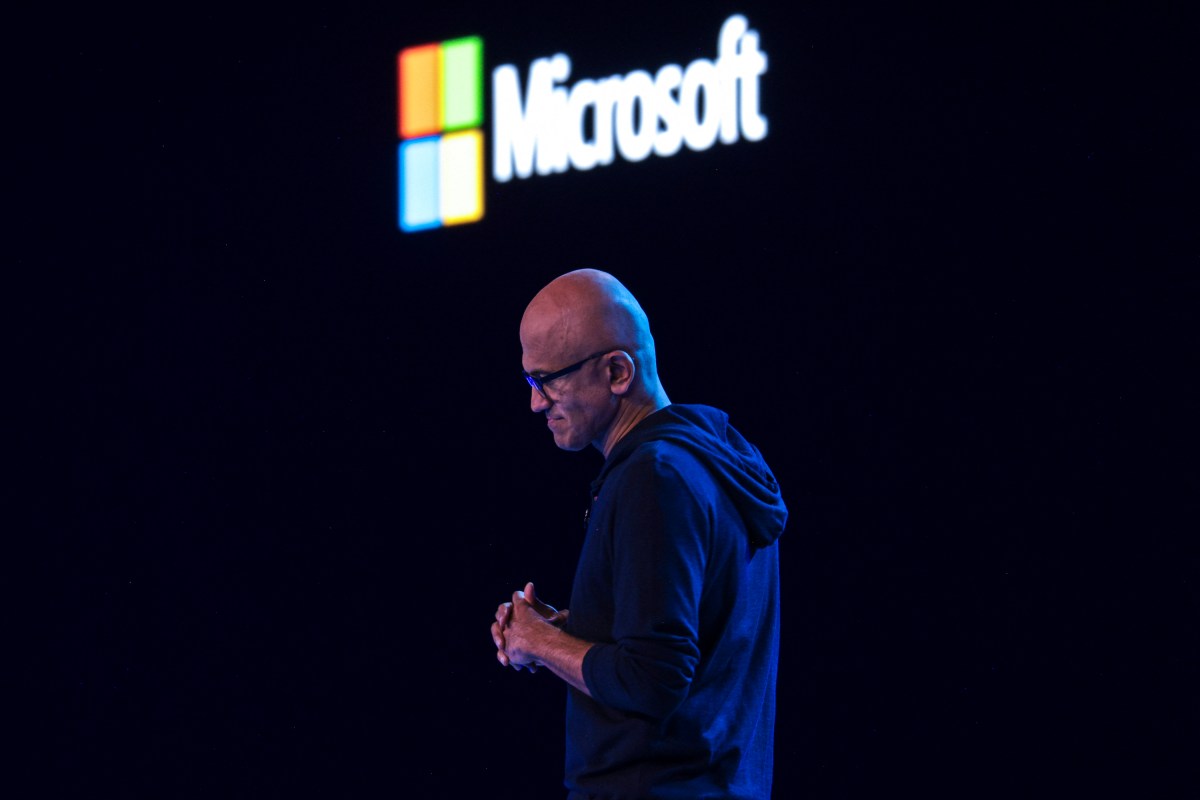
Microsoft reported revenues of US$82.9 billion for Q1 2026, an 18% increase year-over-year. Azure, the company’s cloud platform, grew at 40% in constant currency, surpassing analyst forecasts of around 39%. The company’s annualized AI revenue has exceeded US$37 billion, with Microsoft Cloud revenue rising to US$54.5 billion, up 29%. CEO Satya Nadella highlighted the arrival of the “agentic computing era,” emphasizing the expanding role of AI in enterprise technology.
Despite the operational success, Microsoft raised its full-year fiscal 2026 capex forecast to US$190 billion, well above analyst expectations of US$154.6 billion. Capital expenditures in Q1 alone were US$31.9 billion, a 49% increase year-over-year. This substantial increase in spending caused the stock to dip after hours, reflecting investor concerns about the scale of ongoing investment.
Alphabet’s Google Cloud Surges with Raised Infrastructure Investment
Alphabet reported a 20% increase in total revenue year-over-year, with Google Cloud revenue soaring 63%, far exceeding expectations. The company’s net income reached US$62.57 billion for the quarter, an 81% increase year-over-year. CEO Sundar Pichai acknowledged that Alphabet is currently “compute constrained,” indicating that demand is outstripping their data center capacity.
As a result, Alphabet raised its 2026 capex guidance to between US$180 billion and US$190 billion, up from the previous range of US$175 billion to US$185 billion. CFO Anat Ashkenazi also signaled a significant increase in capex for 2027, underscoring the company’s commitment to expanding AI infrastructure.
Meta Reports Strong Revenue Growth but Raises Capex Estimates Amid Rising Costs
Meta posted Q1 revenue of US$56.31 billion, a 33% increase year-over-year and its fastest growth since 2021. Earnings per share stood at US$6.79, slightly above analyst estimates. CEO Mark Zuckerberg described the quarter as a “milestone.”
Meta increased its capex forecast for 2026 to US$125 billion–US$145 billion, up from its previous estimate of US$115 billion–US$135 billion, citing higher component prices and additional data center expenses. While Q1 capex was US$19.84 billion, below analyst expectations, the full-year increase reflects ongoing investment demands.
The company’s AI-driven advertising platform, Advantage+, continues to fuel near-term revenue growth, but questions remain about how long ad revenue can sustain such extensive infrastructure spending.
Amazon Web Services Achieves Fastest Growth in Over Three Years
Amazon’s AWS division posted US$37.59 billion in revenue for Q1, up 28% year-over-year, marking its fastest growth in 15 quarters. Operating income reached US$14.2 billion with a 37.7% margin, surpassing estimates. CEO Andy Jassy highlighted AWS’s growing custom silicon business, which recently surpassed a US$20 billion revenue run rate, driven by AI-focused chips like Trainium and Inferentia.
Amazon also announced new AWS partnerships with major AI players such as OpenAI, Anthropic, Meta, NVIDIA, and Uber. Overall, Amazon’s revenue climbed 17% to US$181.5 billion, with net income at US$30.3 billion.
What These Results Mean for AI Infrastructure Spending
The combined earnings reports paint a consistent picture: AI infrastructure spending is fueling rapid cloud revenue growth, with Microsoft Azure growing 40%, Google Cloud 63%, and AWS 28%. These growth rates justify the massive capital investments, which continue to increase.
All four companies noted that demand currently exceeds supply, highlighting capacity constraints rather than a lack of customer uptake. This contrasts with earlier investor fears that infrastructure might be underutilized.
However, the market’s main concern is the trajectory of capex spending, which has been raised across the board. Microsoft’s US$190 billion forecast and Alphabet’s expectation of even higher 2027 spending caused some investor unease despite strong operational results.
Far from winding down, the AI infrastructure spending supercycle appears to be accelerating, reflecting confidence that demand for AI-powered services will continue to grow and justify the substantial investments.
Fonte: ver artigo original

Related Articles
 New Benchmark Reveals OpenAI, Anthropic, and Google in a Dead Heat for Top AI Performance
 Cloudflare Accuses AI Startup Perplexity of Ignoring Website Scraping Restrictions
 Pillar Secures $20M Seed Funding to Bring AI-Driven Financial Risk Management to SMEs
 Claude Code Creator Unveils Revolutionary AI-Powered Software Development Workflow