OpenAI Advances Image Generation with ChatGPT Images 2.0
OpenAI has introduced a significant upgrade to its image generation model, ChatGPT Images 2.0, by incorporating reasoning abilities and web search functionalities. This update marks a breakthrough in the way artificial intelligence generates visual content, potentially reshaping graphic creation workflows across various industries.
Key Enhancements in ChatGPT Images 2.0
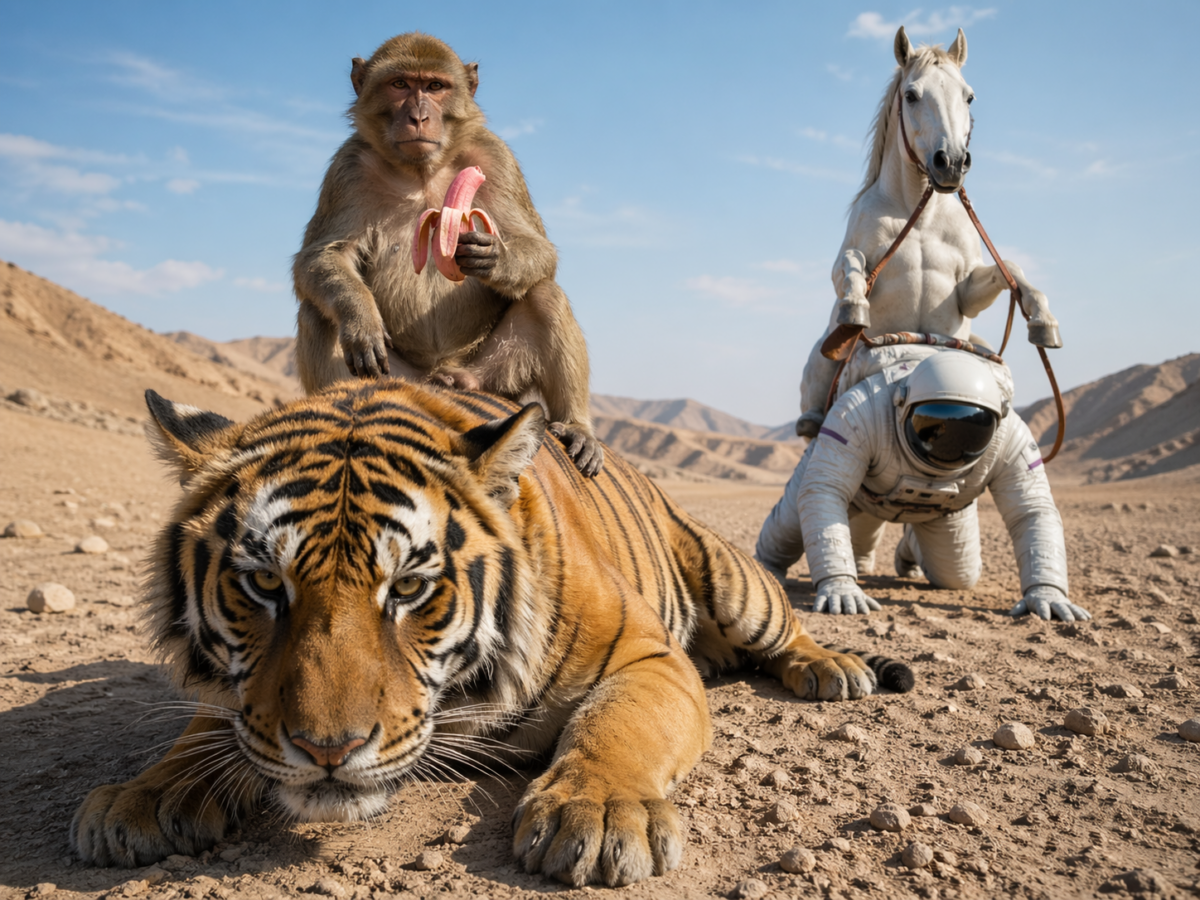
The new version of the model can produce up to eight coherent images from one prompt, ensuring consistency across generated visuals. This feature is particularly valuable for content creators, designers, and marketers who require multiple related images for campaigns or projects.
Moreover, ChatGPT Images 2.0 significantly improves the recognition and rendering of text within images, especially for scripts beyond the Latin alphabet. This advancement addresses a long-standing challenge in AI-generated graphics, where non-Latin characters were often misrepresented or omitted.
Integrating Reasoning and Web Search
Unlike previous iterations, this model applies a reasoning layer before generating images, allowing it to better understand complex prompts and produce more relevant outputs. The integration of live web search further enhances its ability to access up-to-date information, making the generated images more accurate and contextually appropriate.
These capabilities open new possibilities for AI tools used in professional settings, such as advertising, education, and digital media production, where precise and context-aware image generation can save time and reduce costs.
Implications for AI and Content Creation
The improvements in ChatGPT Images 2.0 demonstrate how AI is becoming an indispensable tool for creative professionals and businesses. By automating complex graphic generation tasks, AI not only boosts productivity but also democratizes access to high-quality visual content.
As AI models continue to evolve with enhanced reasoning and real-time data integration, the gap between human creativity and machine-generated art narrows, raising important discussions about the future of work, artistic expression, and intellectual property.
Looking Ahead
OpenAI’s commitment to pushing the boundaries of AI image generation suggests a future where AI-assisted creativity will be commonplace. Users can expect further refinements that improve accuracy, diversity, and ethical use of AI-generated images.
This development aligns with broader trends in AI innovation, where companies strive to create smarter, more reliable, and user-friendly applications that transform everyday life and work.
Fonte: ver artigo original

Related Articles
 OpenAI Launches ChatGPT Group Chats to Enhance AI Collaboration in Teams
 Chinese AI Companies Accelerate Model Releases Ahead of Lunar New Year
 Meta Invests in 100MW Solar Capacity to Power New AI Data Center in South Carolina
 Perplexity Faces Allegations of Ignoring Website Restrictions on AI Scraping