AI Comic Adaptations and Copyright: German Court Sets Precedent
In a landmark decision, a German Higher Regional Court has ruled that transforming a copyrighted photograph into a comic-style image using artificial intelligence does not constitute copyright infringement, as long as the adaptation copies only the underlying motif rather than the original artistic expression.
Context of the Ruling
The case involved an AI tool that converted a photograph into a comic representation. The court’s judgment clarifies the boundaries of copyright protection in the era of AI-generated content, addressing concerns among content creators, artists, and AI developers regarding derivative works created by artificial intelligence.
Understanding the Court’s Reasoning
The court emphasized that copyright protects the unique expression of an idea, not the idea or motif itself. Therefore, when an AI replicates only the motif—the basic subject matter or concept—without duplicating the original artistic style or nuances, it does not infringe on the creator’s copyright.
This distinction is critical as AI tools become increasingly capable of generating new forms of creative content by referencing existing works. The ruling suggests that as long as these AI adaptations offer a distinctive interpretation rather than a direct copy, they may be legally permissible.
Implications for AI and Creative Industries
This decision has significant implications for the evolving relationship between AI technologies and intellectual property law. It provides a legal framework that could encourage the use of AI in creative processes while balancing the rights of original content creators.
For artists, photographers, and content creators, this ruling highlights the importance of understanding how their work might be transformed by AI and what constitutes infringement in this new context. For AI developers and users, it offers guidance on how to responsibly leverage AI capabilities without violating copyright laws.
Broader Impact on AI and Copyright
The ruling contributes to ongoing global discussions about copyright in the digital age, where AI-generated adaptations are becoming more common. It underscores the necessity for clear legal standards that adapt to technological advancements, ensuring innovation is supported without undermining creators’ rights.
As AI continues to reshape creative industries, legal precedents like this will play a vital role in defining the balance between technological progress and intellectual property protection.
Fonte: ver artigo original

 Meta Secures 1 Gigawatt of Solar Power to Support AI Data Centers and Reduce Carbon Emissions
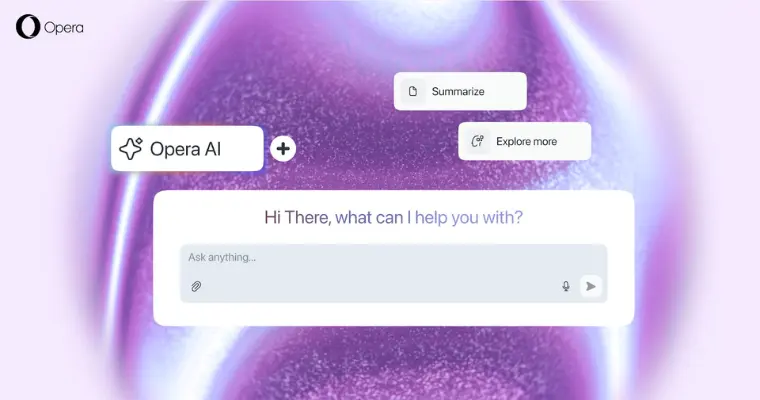 Opera Enhances Browser AI with Google’s Latest Gemini Models
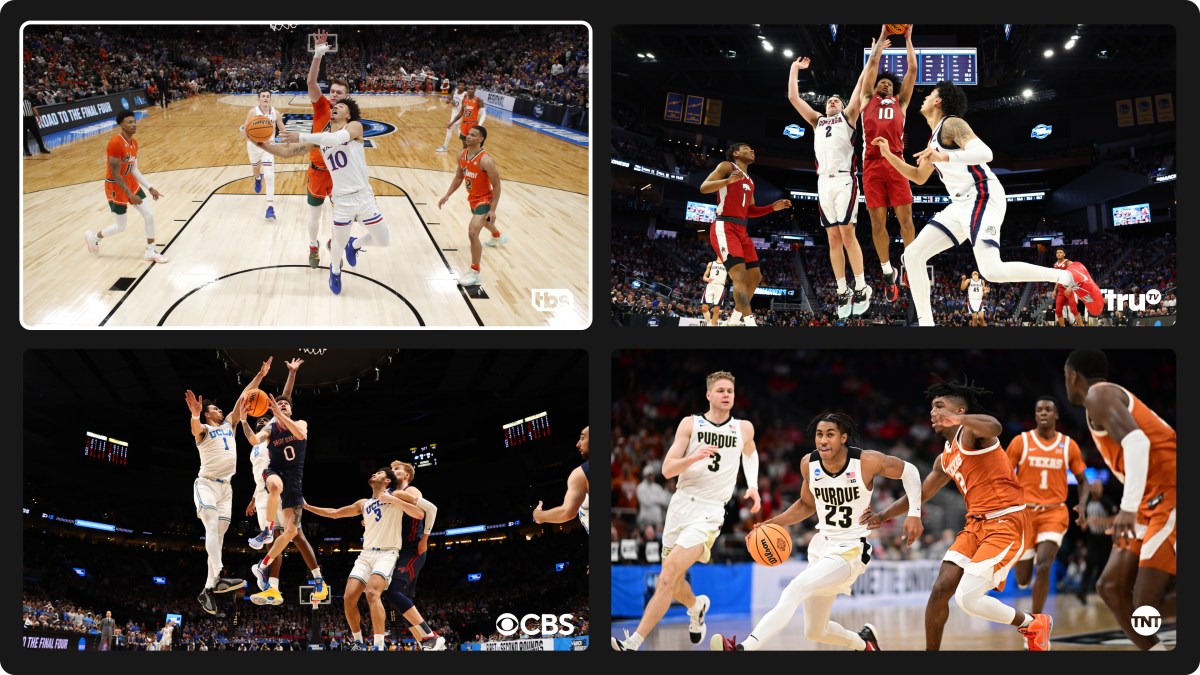 YouTube TV Enhances Multiview with Customizable Channel Selection