Microsoft’s New Toolkit Tackles AI Runtime Security Challenges
In response to the increasing complexity and autonomy of AI agents in enterprise environments, Microsoft has released an open-source toolkit focused on runtime security. This new framework aims to impose strict governance on AI systems that execute code and interact with corporate networks at speeds that outpace traditional security policies.
From Advisory Tools to Autonomous AI Agents
Historically, AI integration in businesses revolved around conversational interfaces and advisory copilots, which had read-only access to specific data sets, keeping human oversight integral to execution. However, the landscape is shifting as organizations now deploy autonomous AI agents that independently interact with internal APIs, cloud storage, and continuous integration pipelines.
Such agentic frameworks can perform complex tasks like reading emails, generating scripts, and executing those scripts on servers without direct human intervention. This independence creates a pressing need for enhanced runtime governance to prevent unintended or malicious actions triggered by AI hallucinations or prompt injection attacks.
Real-Time Interception and Policy Enforcement
Microsoft’s toolkit operates by intercepting the “tool-calling” layer where AI agents request external actions beyond their core neural networks. Positioned between the AI model and corporate systems, the toolkit evaluates each API call against centralized governance policies.
- If an AI agent attempts an unauthorized action, such as issuing a purchase order when only read access is permitted, the call is blocked.
- All actions are logged, creating an auditable trail for security teams to review.
This design allows developers to build complex multi-agent systems without embedding security rules into every model prompt, decoupling security enforcement from application logic and managing it at the infrastructure level.
Protecting Legacy Systems Against Non-Deterministic AI Behavior
Many legacy enterprise systems lack native safeguards against unpredictable AI-driven interactions. The toolkit acts as a protective translation layer, maintaining system integrity even if the AI model is compromised by unexpected inputs.
Open-Source Approach to Meet Modern Development Demands
Microsoft’s decision to release the toolkit as open-source stems from the realities of today’s software supply chains. Developers often combine various open-source tools, frameworks, and third-party models to build AI workflows rapidly. Restricting runtime security to proprietary platforms could lead to teams bypassing protections to meet deadlines.
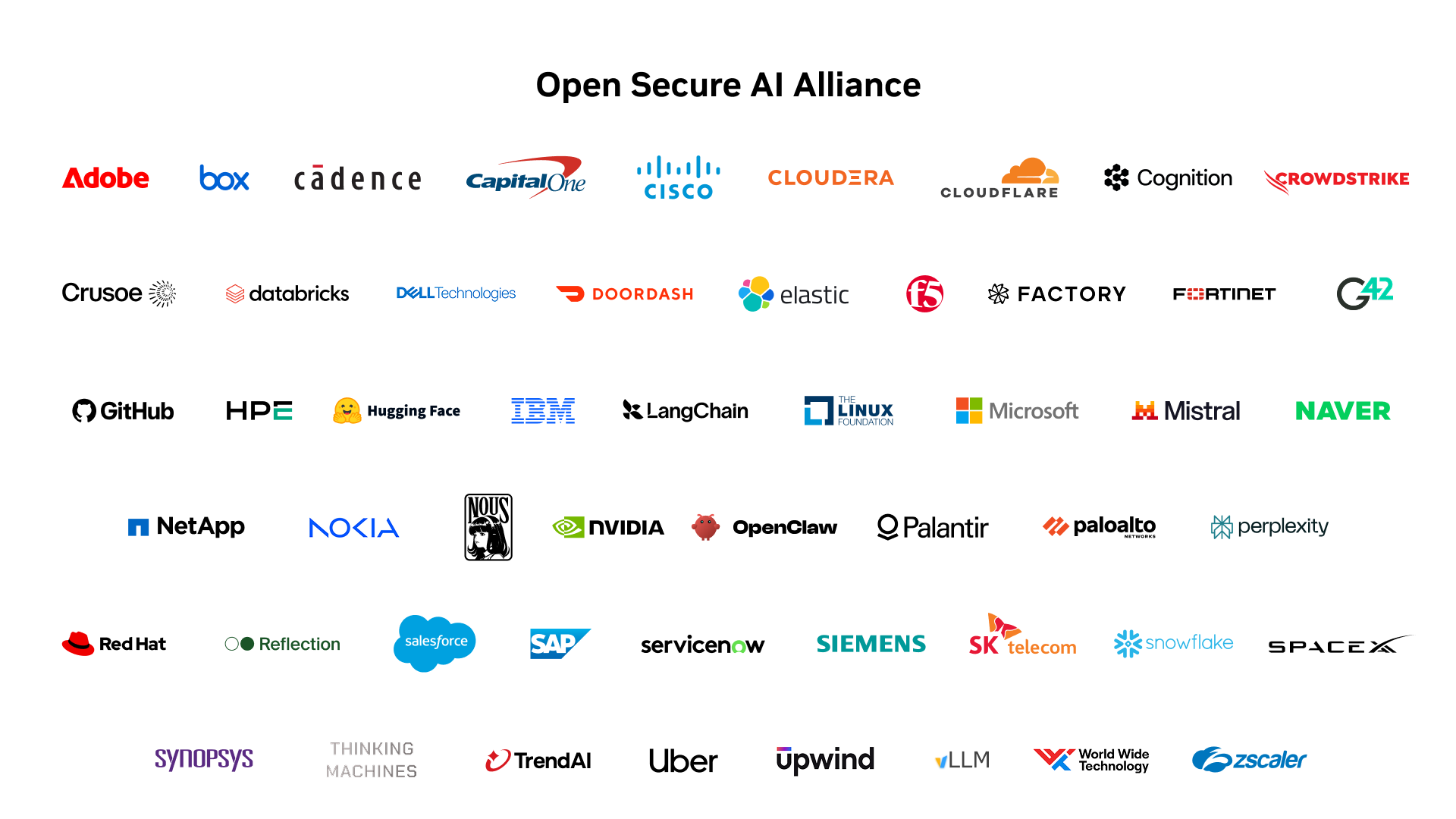
By making the toolkit openly available, Microsoft ensures it can be integrated across diverse technology stacks, whether organizations use local open-weight models, partner with competitors like Anthropic, or deploy hybrid architectures. This openness also encourages collaboration within the cybersecurity community, fostering a shared foundation for AI agent security that commercial vendors can build upon.
Addressing Financial and Operational Risks in AI Governance
Beyond security, the toolkit helps manage financial and operational oversight by limiting API token usage and controlling the frequency of agent actions. This is critical as autonomous AI agents can incur unexpectedly high costs by repeatedly querying expensive data sources or becoming stuck in recursive loops.
Setting quantitative limits on AI behavior facilitates cost forecasting and prevents resource exhaustion. Moreover, these runtime governance capabilities support compliance mandates by shifting system safety responsibilities to the infrastructure executing AI decisions rather than relying solely on model providers.
The Road Ahead for Enterprise AI Governance
Successfully implementing mature AI governance requires close coordination among development, legal, and security teams. As AI language models continue to advance, organizations establishing robust runtime controls today will be better positioned to manage the autonomous workflows of the future.
Fonte: ver artigo original

Related Articles
 Over 100 New Tech Unicorns Emerged in 2025, Highlighting AI’s Role in Innovation
 Samsung to Reveal Enhanced Bespoke AI Kitchen Appliances at CES 2026
 AI Technology Revives Voices of Deceased Pilots from Cockpit Recordings
 TechEx North America Day Two: Navigating Enterprise AI Challenges, Security, and the Rise of Physical AI