France’s Strategic Shift to Linux
The French government has announced a strategic decision to transition from Microsoft Windows operating systems to Linux-based solutions. This move is part of France’s broader ambition to lessen its dependence on U.S. technology giants and enhance its digital sovereignty.
Reducing Reliance on American Tech
For years, governments worldwide have grappled with the challenge of balancing technological efficiency with national security and data privacy concerns. France’s latest initiative reflects growing apprehensions about dependency on foreign tech firms, especially those based in the United States, which dominate the global software landscape.
By adopting Linux, an open-source operating system, France aims to gain greater control over its IT infrastructure. Linux’s customizable nature allows for improved transparency and security, critical factors for government operations.
Implications for AI and Digital Services
This transition also aligns with France’s interest in fostering a more independent technological ecosystem that supports advancements in artificial intelligence (AI) and digital services. Reducing reliance on proprietary software from U.S. companies could facilitate the development of homegrown AI tools and services, which are increasingly integral to public administration, healthcare, education, and more.
Moreover, open-source platforms like Linux are often favored in AI development environments due to their flexibility and compatibility with various AI frameworks and tools.
Challenges and Opportunities
While the shift promises increased autonomy and security, it also presents challenges. Transitioning thousands of government computers to Linux requires significant planning, training, and compatibility assessments with existing software ecosystems.
However, the move may also inspire innovation within the French tech sector, encouraging startups and established companies to create AI applications and productivity tools tailored to Linux environments. This could lead to new job opportunities and bolster France’s position in the global AI race.
Broader Context of AI and Tech Sovereignty
France’s decision mirrors a wider trend in Europe and beyond, where governments seek to balance the benefits of AI and digital advancements with concerns over data privacy, cybersecurity, and geopolitical risks. Open-source technologies like Linux can provide a foundation for more transparent and accountable AI systems, addressing some of the risks associated with proprietary platforms.
Conclusion
France’s move to replace Windows with Linux underscores the growing importance of digital sovereignty in an era dominated by AI and global tech competition. By investing in open-source solutions, the country aims to safeguard its technological future while fostering innovation and security.
Fonte: ver artigo original

Related Articles
 How to find music you will love without the algorithm
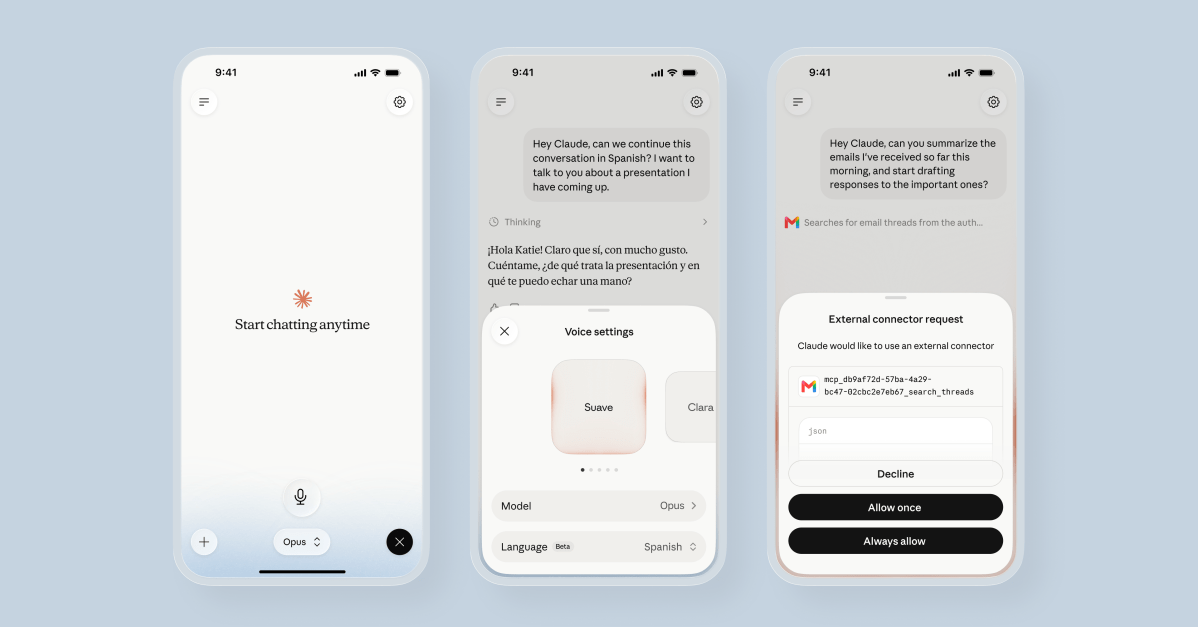 Is Claude’s new voice mode a sign that Anthropic is chasing ChatGPT on OpenAI’s turf?
- Anthropic Launches Largest US Expansion with $50 Billion Investment in New Data Centres
 Obvio Deploys AI-Powered Cameras to Enhance Pedestrian Safety at Stop Signs