Microsoft’s New Toolkit Targets Runtime Security for AI Agents
In response to growing concerns over the rapid autonomous actions of AI agents within enterprise networks, Microsoft has released an open-source toolkit focused on runtime security. This new solution aims to impose strict governance rules on AI agents as they operate, ensuring safer integration and control within corporate systems.
From Advisory Copilots to Autonomous Agents
Earlier AI deployments primarily offered conversational interfaces or advisory copilots with limited, read-only access to data, maintaining humans as central decision-makers. However, today’s organizations increasingly deploy autonomous AI frameworks that independently interact with internal APIs, cloud repositories, and integration pipelines, raising new governance challenges.
When AI agents autonomously read emails, generate scripts, and execute them on servers, traditional security measures like static code analysis and pre-deployment scans fall short. The unpredictable nature of large language models means that even minor prompt injections or hallucinations can lead to significant security breaches, such as database overwrites or unauthorized data access.
How the Toolkit Enforces Runtime Governance
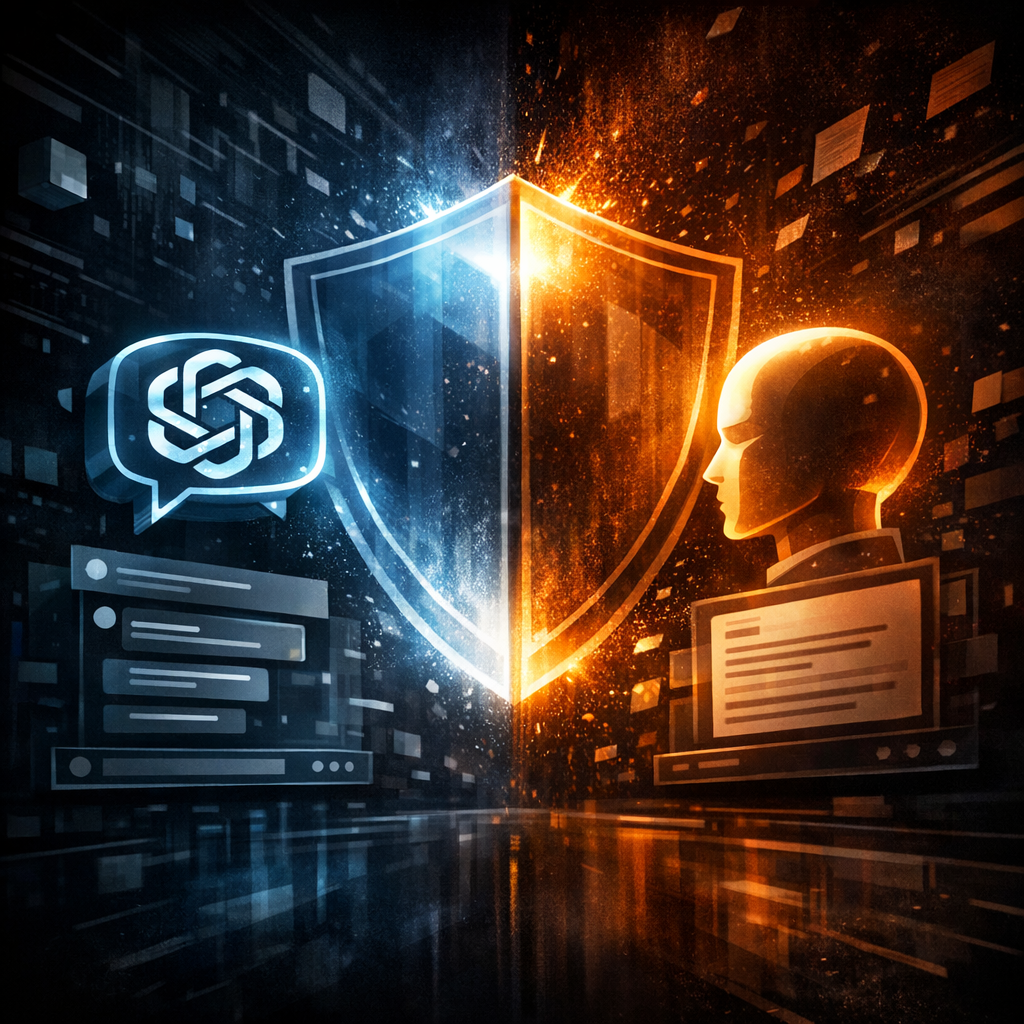
Microsoft’s toolkit intervenes at the precise moment an AI agent attempts to execute an external action. By placing a policy enforcement engine between the language model and corporate networks, the toolkit intercepts all API calls and verifies them against a centralized governance policy. Unauthorized actions, such as an agent exceeding its read-only permissions, are blocked and logged for human review.
This approach provides security teams with a comprehensive, auditable trail of autonomous decisions while allowing developers to create complex AI systems without embedding security protocols into every model prompt. Decoupling security policies from application logic enhances flexibility and infrastructure-level control.
Protecting Legacy Systems and Embracing Open-Source Collaboration
Many legacy enterprise systems were not designed to handle requests from non-deterministic AI models, lacking inherent safeguards against malformed or malicious inputs. Microsoft’s toolkit acts as a protective layer, preserving the integrity of these systems even if the AI model becomes compromised.
Releasing the toolkit as open source encourages widespread adoption and integration across diverse technology stacks, from local open-weight models to hybrid and third-party AI architectures. This openness also invites collaboration from the cybersecurity community, fostering the development of commercial dashboards and incident response tools that build upon a shared security foundation, while helping businesses avoid vendor lock-in.
Extending Governance Beyond Security
Beyond security, the toolkit addresses operational concerns such as API token usage and cost control. Autonomous agents can inadvertently incur high expenses by repeatedly querying costly data sources. By enforcing limits on token consumption and action frequency, the toolkit helps organizations forecast costs and prevent resource exhaustion.
This runtime governance layer is critical for compliance, shifting responsibility from relying solely on model providers to infrastructure that actively monitors and controls AI behavior. Implementing such governance demands cross-functional collaboration among development, legal, and security teams to prepare for the increasing capabilities of AI agents.
Conclusion
Microsoft’s open-source runtime security toolkit represents a significant advancement in managing the risks and complexities of autonomous AI agents in enterprise settings. By enabling real-time policy enforcement and operational oversight, it provides a scalable framework for safely leveraging AI’s potential while safeguarding critical corporate resources.
Fonte: ver artigo original

 OpenClaw Emerges as a Key Open-Source Framework in AI Development
 Meta Expands Solar Power Capacity to Support AI Data Center in South Carolina
 Moltbook: A Unique AI-Only Social Network Where Bots Debate Cybersecurity and Philosophy
 U.S. Supreme Court Declines to Rule on Copyright for AI-Generated Art