Introduction
Anduril Industries, a prominent startup specializing in defense technology and autonomous weapons, has reportedly faced multiple setbacks during the testing and operational deployment of its AI-powered systems. According to recent investigative reporting by the Wall Street Journal, these challenges highlight the complexities and risks involved in integrating autonomous artificial intelligence into military applications.
Testing and Combat Setbacks
The autonomous weapons developed by Anduril, designed to enhance battlefield capabilities through advanced robotics and AI, have not performed as expected in various controlled testing environments and actual combat situations. These failures involve technical malfunctions and operational shortcomings that have slowed the company’s progress and raised concerns among defense stakeholders.
Technical and Operational Issues
Sources indicate that the systems have struggled with targeting accuracy, decision-making under dynamic conditions, and reliability in hostile environments. Such issues underscore the challenges of AI safety and alignment in high-stakes scenarios where errors can have severe consequences.
Context: AI in Defense and Industry Implications
Anduril’s difficulties come amid a broader wave of innovation and competition in the AI defense sector, where startups and established companies alike pursue breakthroughs in autonomous agents and robotics. The integration of AI in defense raises important questions about ethical considerations, regulatory frameworks, and the balance between automation and human oversight.
Experts emphasize that while autonomous systems can offer strategic advantages, rigorous testing and cautious deployment are essential to ensure operational effectiveness and minimize risks.
Industry and Policy Reactions
The reported setbacks at Anduril have sparked discussions about the pace of AI adoption in military contexts and the necessary safeguards to prevent malfunction or unintended consequences. Policymakers and defense officials are closely monitoring these developments to guide future regulations and investment decisions.
Conclusion
Anduril Industries’ experiences illustrate the formidable challenges of deploying autonomous weaponry powered by artificial intelligence. As the defense sector continues to explore AI-driven innovations, the lessons learned from these setbacks will be critical in shaping safer, more reliable autonomous systems.
Fonte: ver artigo original

Related Articles
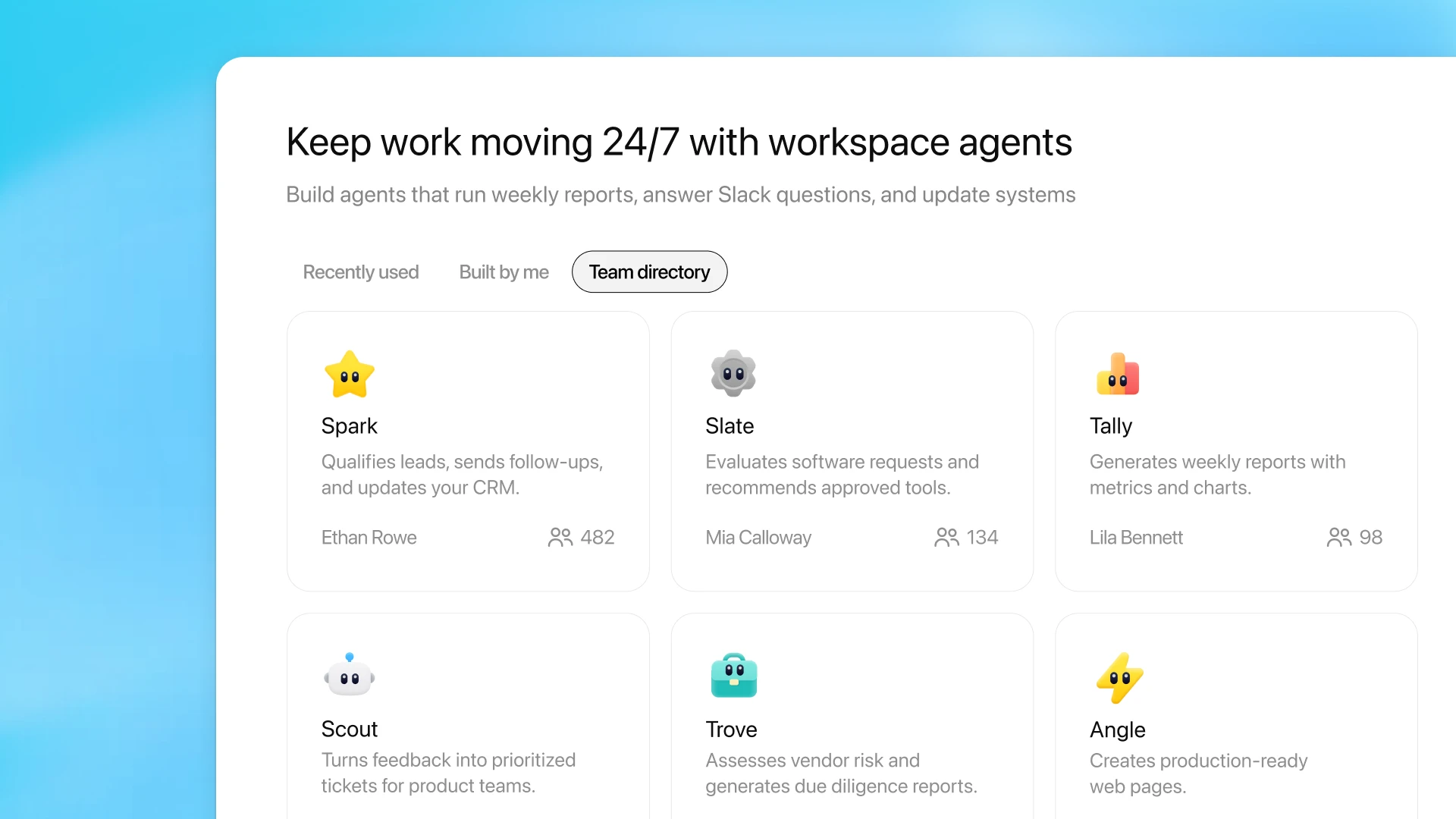 OpenAI Introduces Workspace Agents to Transform ChatGPT into a Team Automation Platform
 Listen Labs Secures $69M to Expand AI-Driven Customer Interview Platform After Innovative Hiring Campaign
 Microsoft Enhances Cloud Services to Accelerate Indonesia’s AI Development
 OpenAI Unveils GPT-5.1-Codex-Max to Revolutionize Long-Term Engineering Projects