Introduction: AI Pervasiveness Contrasts with Translation Workflow Lag
Artificial intelligence has become ubiquitous across enterprise operations, yet according to DeepL’s 2026 Borderless Business: Transforming Translation in the Age of AI report, language and multilingual workflows remain a largely underautomated area. Published on March 10, the report uncovers that while businesses have broadly invested in AI across various functions, the translation processes essential to sales, legal, customer support, and global expansion still lag behind in modernization.
The Automation Deficit in Enterprise Language Operations
DeepL’s survey data from business leaders in the United States, United Kingdom, France, Germany, and Japan reveals that 35% of international enterprises continue to manage translation through fully manual methods. Another 33% combine traditional automation tools with systematic human review, and only 17% have adopted next-generation AI technologies such as large language models or agentic AI for multilingual processes.
This indicates that despite 83% of enterprises investing in AI in other domains, they have yet to transition to advanced language AI capabilities. Furthermore, enterprise content volume has surged by 50% since 2023, yet 68% of companies still rely on workflows designed for earlier technological eras.
Language AI as a Strategic Infrastructure Component
The report emphasizes that language AI investment is driven primarily by expansion into global markets (33%), followed by sales and marketing (26%), customer support (23%), and legal and finance functions (22%). These are critical business areas where language AI is becoming integral infrastructure rather than a peripheral tool.
Supporting this trend, a December 2025 study involving 5,000 senior executives across the same regions found that 54% believe real-time voice translation will be essential in 2026, up from 32% currently. Early adoption varies significantly by region, with the UK and France leading at 48% and 33%, respectively, while Japan remains at 11%, highlighting disparities in readiness.
Enterprise Trust and Data Sovereignty as Key Differentiators
DeepL’s positioning in the AI market distinguishes itself through a strong focus on enterprise trust and data sovereignty, essential for regulated industries like finance, healthcare, and government. The company holds ISO 27001, SOC 2 Type 2, and GDPR certifications, and offers Bring Your Own Key (BYOK) encryption, allowing customers to control and revoke data access swiftly, surpassing the capabilities of many large language model providers.
DeepL CTO Sebastian Enderlein describes 2026 as a pivotal year where AI adoption moves from experimentation to large-scale execution, with enterprises ready to scale AI solutions, particularly agentic AI, to achieve meaningful productivity gains.
Advancing AI Integration with DeepL Agent
Reflecting broader enterprise AI trends, DeepL launched DeepL Agent in November 2025, a next-generation AI assistant designed to autonomously navigate business systems and execute complex workflows across CRM, email, calendar, and project management platforms without complex integrations. The agent incorporates enterprise-grade security and data sovereignty by default, catering to organizations with stringent data privacy needs that preclude the use of public cloud AI services.
Chief Scientist Stefan Miedzianowski notes that 2026 will mark the year agent-based AI moves from early adopters to broader enterprise implementation, signaling a shift from pilot projects to scalable solutions.
Closing the Gap Between Ambition and Reality
The Borderless Business report finds that 71% of business leaders prioritize AI-driven workflow transformation in 2026, aiming for improvements in customer experience, employee productivity, and time to market. However, the disparity between this aspiration and the 17% adoption of modern language AI tools underscores a substantial market opportunity that DeepL is strategically addressing.
DeepL continues to engage with the AI community as a Platinum Sponsor at TechEx Global, including the AI & Big Data Expo in London, scheduled for February 2027.
Fonte: ver artigo original

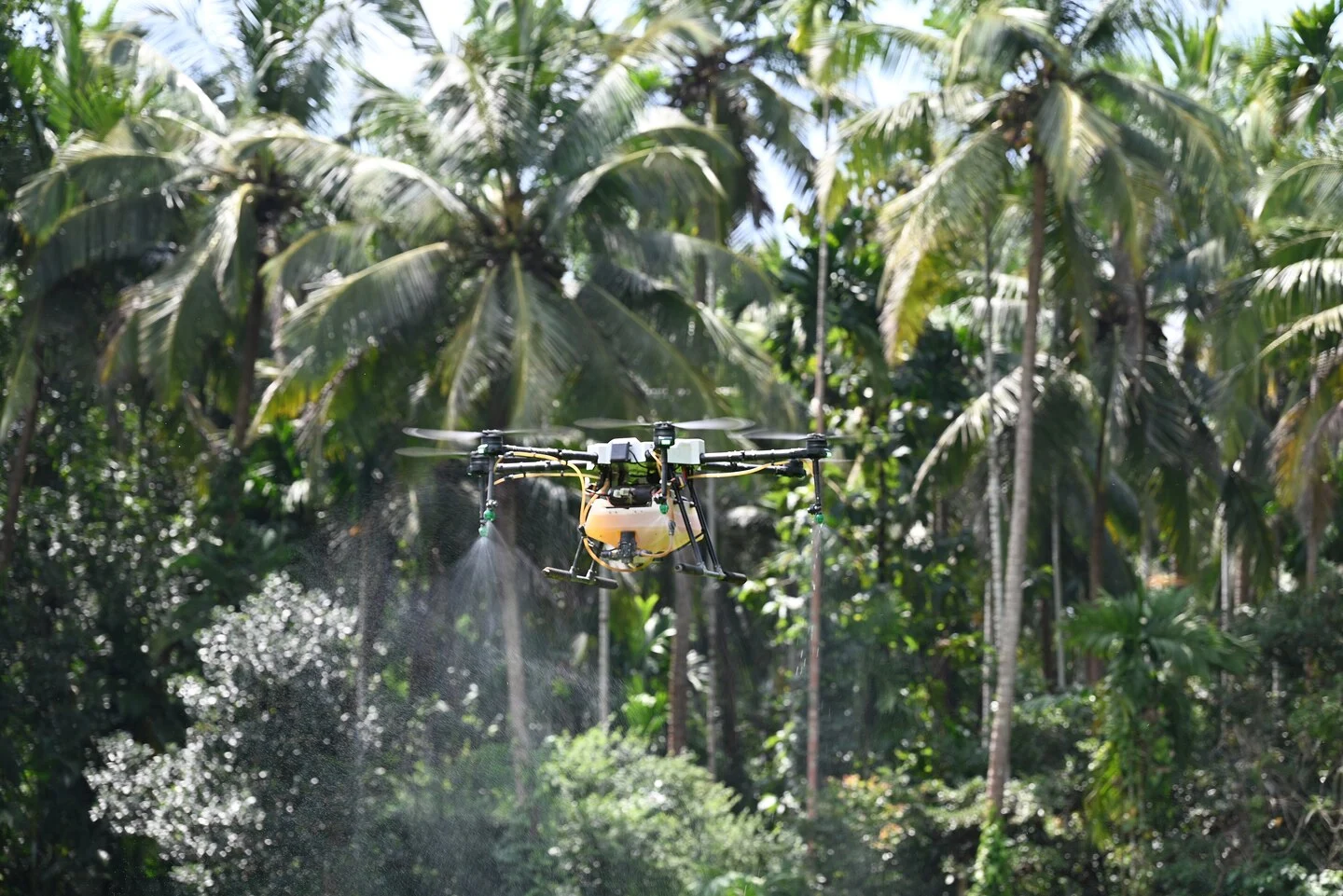 GEODASH Aerosystems Develops Smart Agricultural Drones for Large-Scale Farms
 Two Mobility Startups Declare Bankruptcy Amid Industry Shifts
 Preply Leverages OpenAI to Deliver AI-Generated Personalized Language Learning
 2025 Sees 49 U.S. AI Startups Surpass $100 Million in Funding Amid Industry Surge