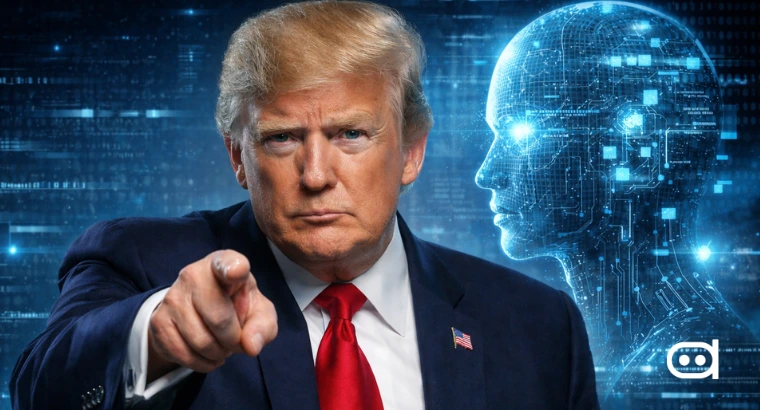
Escalating Conflict and the Information War
The ongoing conflict between Israel, the United States, and Iran continues to heighten political tensions globally. While conventional warfare captures headlines, an equally intense battle is unfolding in the realm of information dissemination and media narratives.
Artificial Intelligence’s Role in Modern Propaganda
In recent years, artificial intelligence (AI) has increasingly influenced how information spreads online. AI tools can generate content, manipulate images and videos, and target audiences with tailored messages. This capability raises significant concerns about the potential for propaganda and disinformation campaigns to distort public perception.
Weaponizing AI in Political Conflicts
On Sunday, the U.S. President publicly accused Iran of weaponizing AI technology to spread false and misleading narratives regarding the ongoing war. This accusation highlights a growing trend where AI is not just a technological innovation but also a strategic tool in geopolitical conflicts.
Understanding the Risks of AI in Disinformation
The use of AI in spreading disinformation poses multiple risks:
- Deepfakes and Synthetic Media: AI can create realistic but fake images and videos that are hard to distinguish from real footage.
- Amplification of False Narratives: Automated AI systems can rapidly distribute misleading content across social media platforms.
- Manipulation of Public Opinion: Targeted AI-driven campaigns can influence political views and escalate tensions.
Implications for Global Security and Media Trust
This development signals a critical challenge for governments, media organizations, and technology companies. Combating AI-driven disinformation requires improved detection tools, greater transparency, and international cooperation to maintain the integrity of information.
As artificial intelligence continues to evolve, its role in everyday life and global affairs becomes more profound. The recent accusations underscore the urgency for society to understand and address the ethical and security dimensions of AI technology.
Fonte: ver artigo original

Related Articles
 OpenAI Introduces Frontier Governance Framework to Align AI Safety with Global Regulations
 Alibaba Unveils Zhenwu M890 AI Chip Focused on AI Agents, Shifting Industry Dynamics
 Critical Mistakes Companies Make When Integrating AI/ML into Their Processes
 Anthropic Pledges $200 Billion to Google Cloud in Five-Year Deal