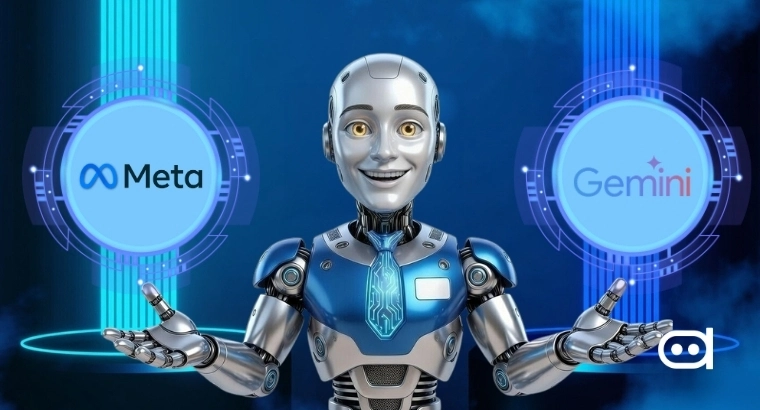
Meta’s AI Ambitions Face Setback with Avocado Delay
Meta had aimed to reclaim a leading position in the artificial intelligence sector by launching its new text-based AI model, Avocado, in the first quarter of 2026. However, recent developments have pushed this timeline back by at least two months, signaling deeper challenges within the company than previously disclosed.
Avocado Model Launch Pushed to May or Later
According to a report from The New York Times, citing sources familiar with the matter, Meta’s Avocado AI model, developed by the newly established TBD Lab, will not be available until at least May 2026. This delay disrupts Meta’s plans to capitalize on the growing AI market early next year.
A Meta spokesperson provided a cautious statement regarding the delay, emphasizing the company’s commitment to delivering a robust and competitive product. However, the postponement underlines the pressures Meta faces amid fierce competition from other tech giants.
Potential Licensing of Google’s Gemini Model
In an unexpected turn, Meta is reportedly exploring licensing Google’s Gemini AI model as a contingency or complementary strategy. This move suggests Meta may be reassessing its in-house AI development trajectory and seeking partnerships to maintain competitiveness in the rapidly evolving AI landscape.
Context: The Intensifying AI Race
The delay and potential licensing deal come at a time when Microsoft, Google, and other industry players are aggressively advancing their AI capabilities. Meta’s initial strategy was to assert itself as a primary AI innovator, particularly in natural language processing and AI-assisted productivity tools.
The formation of TBD Lab was part of Meta’s broader approach to accelerate AI research and development. However, the complexity of building next-generation AI models and the need to match or surpass competitors’ offerings have introduced significant hurdles.
Implications for the AI Industry
This development highlights the challenges even major corporations face in the AI domain, including technological, strategic, and operational difficulties. It also underscores the growing trend of collaboration or licensing agreements among tech giants to leverage each other’s innovations, rather than solely relying on internal development.
For businesses and users anticipating new AI tools from Meta, this delay means adjusting expectations and watching closely how these shifts influence AI availability and capabilities in the near future.
Looking Ahead
Meta’s next steps will likely involve balancing in-house AI advancements with strategic partnerships. The company’s ability to deliver competitive AI solutions will be critical as AI tools become increasingly integral to productivity, content creation, and other everyday applications.
As the AI race intensifies, observers will be keen to see how Meta navigates these challenges and whether leveraging external AI models like Google’s Gemini will become a more common practice in the industry.
Fonte: ver artigo original

 McKinsey Integrates AI Chatbot in Early Graduate Recruitment Process
 France Transitions from Windows to Linux to Reduce Dependence on US Technology
 US Energy Department Revises Nuclear Safety Rules Impacting AI-Driven Reactor Development
 YouTube Tests New Feature to Enhance Home Feed Customization