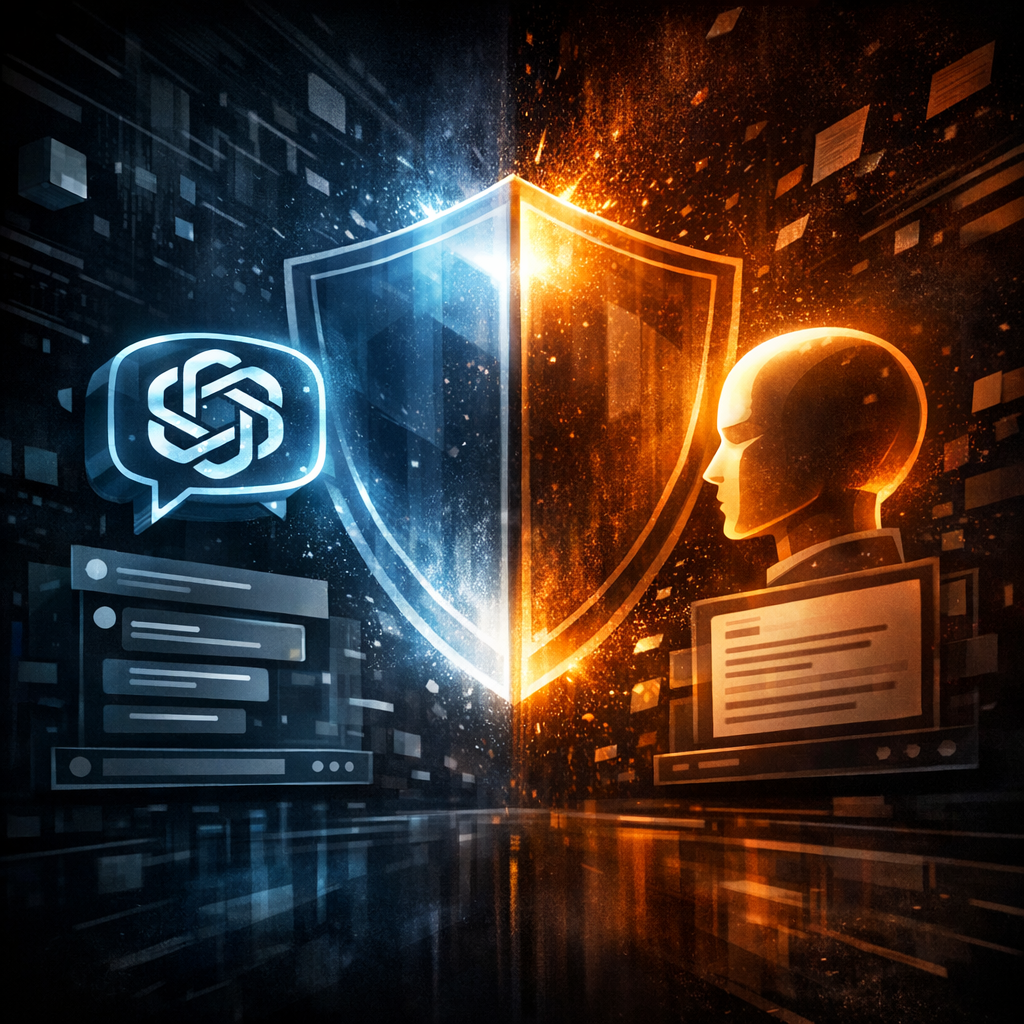
Introduction: The Need for Disconnected Clouds in AI Data Governance
In response to increasing regulatory scrutiny and the need for robust data governance, businesses are reevaluating their cloud infrastructure strategies. Disconnected cloud environments, where systems operate independently from continuous internet access, have become essential for organizations that must maintain strict control over sensitive data and ensure uninterrupted operations.
Microsoft’s Sovereign Private Cloud Offering
Microsoft has expanded its cloud capabilities to target regulated industries and public sectors requiring high levels of data sovereignty. Their solution integrates Azure Local, Microsoft 365 Local, and Foundry Local into a single sovereign private cloud platform. This architecture supports connected, intermittently connected, and fully disconnected modes, allowing organizations to operate reliably regardless of external network conditions.
The unified platform standardizes governance and policy enforcement across all deployments, preventing fragmented infrastructure and ensuring consistency. Azure Local enables offline operation with familiar Azure governance tools, keeping data, management, and policy controls within customer premises.
Resilience and AI Data Governance in Offline Environments
AI workloads often demand significant computing power, especially in sensitive environments that require data isolation. Foundry Local supports running multimodal large AI models entirely offline, utilizing modern hardware from partners like NVIDIA. This setup guarantees that AI inferencing and APIs remain fully within customer-controlled boundaries, granting enterprises complete control over their data and hardware.
Gerard Hoffmann, CEO of Proximus Luxembourg, emphasized the significance of this advancement: “The availability of Azure Local disconnected operations represents a breakthrough for organisations that need control over their data without sacrificing the power of the Microsoft Cloud. For Luxembourg, where digital sovereignty is not just a principle but a strategic necessity, this model offers the resilience, autonomy and trust our market expects.” He further highlighted the collaboration between Microsoft and Proximus NXT as a driver for confident innovation even in fully disconnected scenarios.
Strategic Deployment and Scalability
Organizations planning offline cloud deployments must carefully align workloads with appropriate governance postures based on risk assessments, regulatory requirements, and mission-critical needs. Since disconnected cloud environments are not universally standardized, businesses can initiate small-scale projects and expand as their capabilities mature.
This approach is particularly valuable for highly regulated sectors, enabling secure AI data governance even in the absence of external connectivity, thus addressing a crucial operational challenge.
Conclusion
Disconnected cloud architectures represent a significant evolution in AI data governance, combining sovereignty, resilience, and scalability. Microsoft’s integration of offline-capable cloud services with advanced AI support offers a compelling solution for organizations prioritizing data security and regulatory compliance in an increasingly complex digital landscape.
Fonte: ver artigo original

Related Articles
 Claude Code Creator Unveils Revolutionary AI-Powered Workflow Transforming Software Development
 Anthropic’s AI Kiosk Agent Spends $1,000 in Three Weeks, Including a PlayStation 5 and a Live Fish
 Nous Research Launches Open-Source AI Coding Model NousCoder-14B Amid Rising Industry Competition
 Unlock Reliable and Scalable Web Hosting with Verpex for Your Growing Business